Best Places to Visit in New Zealand by Travel Style
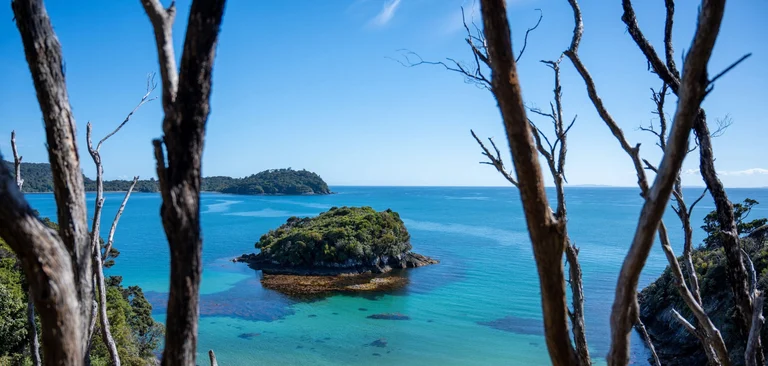
The best places to visit in New Zealand depend on what you want from the trip. Waiheke Island is the pick for food and wine, Rotorua for Māori culture and geothermal parks, the Aoraki Mackenzie Dark Sky Reserve for stargazing, Queenstown for adventure, Fiordland National Park for hiking, Central Otago for cycling, Dunedin for wildlife, Hobbiton for Lord of the Rings fans and the Bay of Islands for couples. This guide matches 12 travel styles to the one place in Aotearoa that does each best, with what to do there and how to fit it into a North and South Island itinerary.
Best Places to Visit in New Zealand at a Glance
| Travel Style | Best Place | Island | Top Experience | Best Season |
| Food & Wine | Waiheke Island | North Island | Vineyard tasting and lunch overlooking the Hauraki Gulf | Summer–Autumn |
| Māori Culture | Rotorua | North Island | Māori cultural experience and geothermal landscapes | Year-round |
| Stargazing | Aoraki Mackenzie Dark Sky Reserve | South Island | Guided stargazing beneath the International Dark Sky Reserve | Autumn–Winter |
| Relaxation & Wellness | Maruia | South Island | Thermal bathing surrounded by beech forest and mountains | Autumn–Winter |
| Wildlife | Dunedin & Otago Peninsula | South Island | Guided encounters with albatross, penguins and fur seals | Spring–Autumn |
| Adventure | Queenstown | South Island | Bungy jumping, jet boating and alpine adventures | Year-round |
| Hiking | Fiordland National Park | South Island | Great Walks and day hikes through Fiordland | Late Spring–Autumn |
| Cycling | Central Otago | South Island | Lake Dunstan Trail or Otago Central Rail Trail | Spring–Autumn |
| Lord of the Rings | Hobbiton, Matamata | North Island | Guided tour of the Hobbiton Movie Set | Year-round |
| Couples | Bay of Islands | North Island | Sailing among the islands and coastal stays | Summer–Autumn |
| Southern Lights | Stewart Island / Rakiura | South Island | Aurora watching beneath dark southern skies | Autumn–Winter |
| Volcanic Landscapes | Tongariro National Park | North Island | Tongariro Alpine Crossing | Late Spring–Autumn |
1. Waiheke Island: Best for Food and Wine
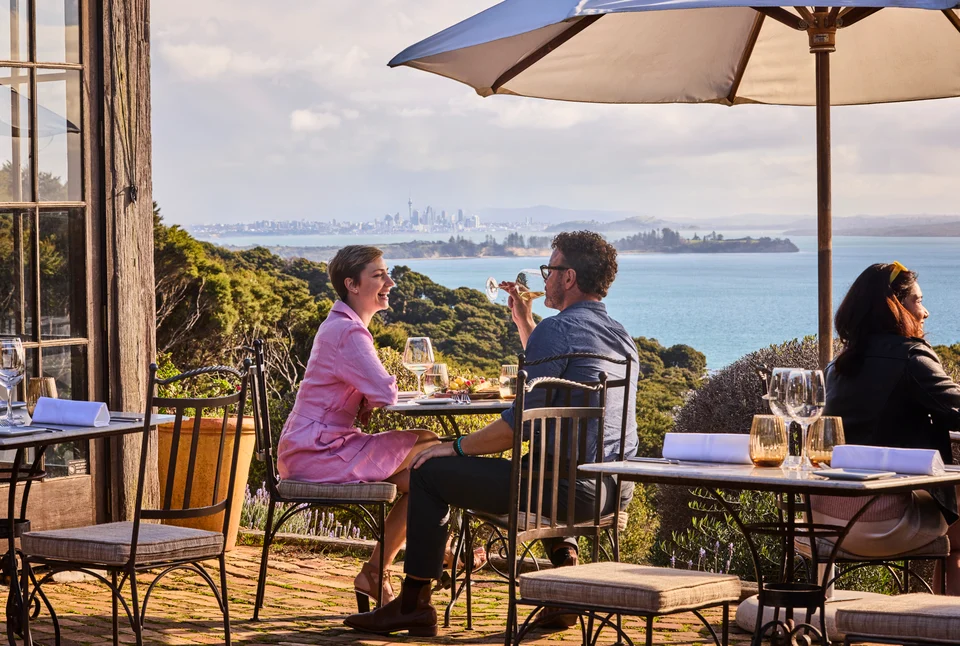
Waiheke Island, in Auckland’s Hauraki Gulf on the North Island, is one of New Zealand’s easiest places to combine good food, vineyard visits and a coastal escape.
The island is home to an impressive collection of wineries and restaurants within a relatively compact landscape of beaches, farmland and small settlements. Spend an afternoon at Man O’ War Vineyards, settle in for lunch at Ki Māha beside Onetangi Beach, or visit Wild Estate for wine and activities among the vines.
Waiheke is also straightforward to add to an Auckland stay. The Fullers360 passenger ferry from Downtown Auckland to Matiatia takes approximately 40 minutes, making a day trip possible, although staying overnight gives you time to experience the island after many day visitors have returned to the city.
For a wider look at the country's wine regions, read our guide to New Zealand's best wine regions.
2. Rotorua: Best for Māori Culture
Rotorua, in the central North Island, is one of the most accessible places to spend meaningful time learning about Māori culture alongside the geothermal landscape that has influenced life here for generations.
At Te Puia, geothermal features sit alongside the New Zealand Māori Arts and Crafts Institute, while Te Pā Tū offers an evening centred on food, storytelling and cultural traditions. Wai Ariki Hot Springs and Spa brings another perspective, drawing on Ngāti Whakaue concepts of wellbeing.
For travellers with more time, an overnight stay at Kohutapu Lodge near Murupara offers the opportunity to spend longer within a local community and hear stories connected to the surrounding land.
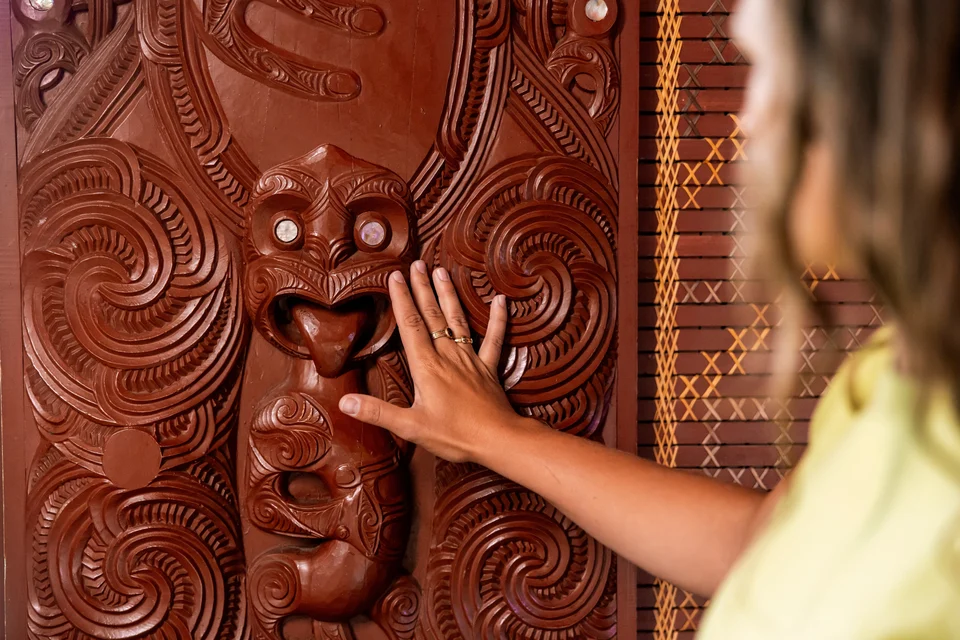
Image courtesy of Tourism New Zealand
3. Aoraki Mackenzie Dark Sky Reserve: Best for Stargazing
The Aoraki Mackenzie International Dark Sky Reserve, in the central South Island, is our pick for travellers who want to make the night sky a meaningful part of their New Zealand journey. The reserve encompasses Lake Tekapō, Aoraki/Mount Cook and Twizel, offering some of the clearest and darkest skies in the country.
Here there are plenty of ways to experience the stars. Dark Sky Project offers guided astronomy experiences, while Tekapo Springs combines stargazing with a relaxing soak in its hot pools. For a truly unique experience, visit Lake Pukaki Observatory, where you can stargaze from a wine cellar with a retractable roof, or spend the night at Skyscape, a glass-walled retreat designed for uninterrupted views of the night sky.
Allow at least one or two nights in the region. Stargazing is weather-dependent, so staying longer gives you a better chance of enjoying a clear, star-filled sky.
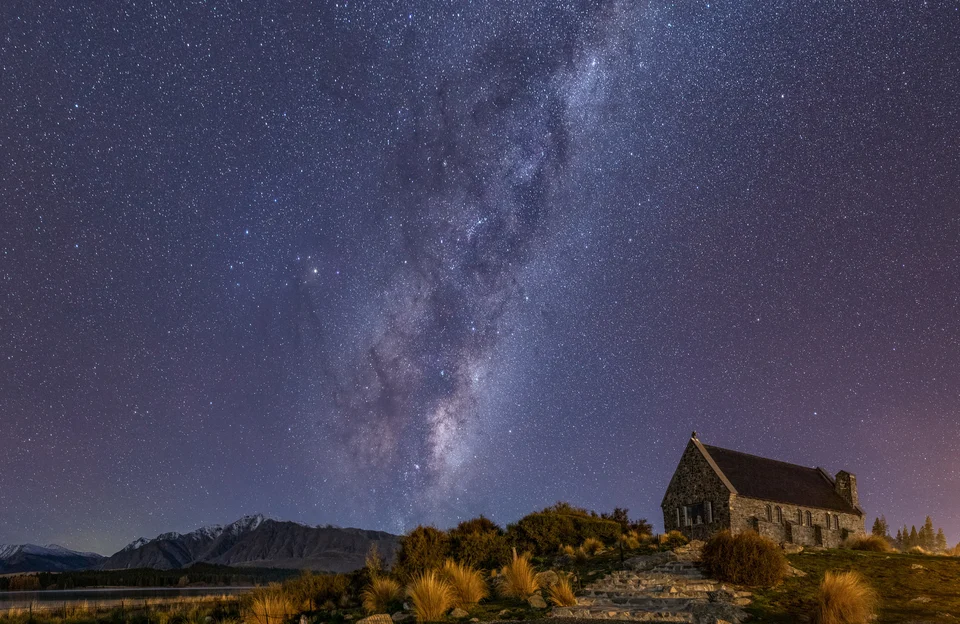
Image courtesy of Rachel Gillespie
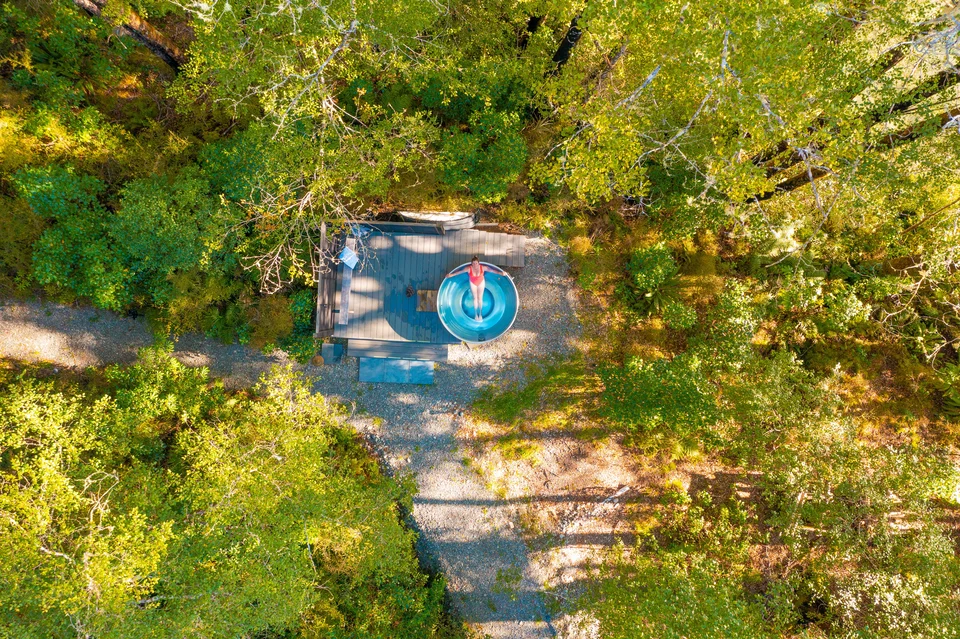
4. Maruia: Best for Relaxation and Wellness
Maruia, on the South Island near Lewis Pass, suits travellers looking for a slower wilderness stay built around thermal water, fresh air and time away from a busy itinerary.
New Zealand's geothermal landscapes have long made natural hot pools part of travelling here, and Maruia offers a particularly secluded setting. Maruia Hot Springs and Maruia River Retreat combines thermal bathing with sauna, yoga and wellness experiences, while the surrounding mountains and beech forest give you plenty of reason to spend time outside.
It works well as a restorative stop while travelling between the upper South Island and the West Coast. Give yourself time here rather than treating it as another sightseeing stop; this is a place to disconnect from the world for a while.
5. Dunedin: Best for Wildlife Encounters
Dunedin and the wider Otago region, on the South Island, are particularly rewarding for travellers interested in New Zealand's coastal wildlife.
The Otago Peninsula extends east of the city into the Pacific, creating habitat for species including hoiho/yellow-eyed penguins, kekeno/New Zealand fur seals and northern royal albatross. Guided wildlife excursions and harbour cruises are useful here, both for local knowledge and for viewing wildlife responsibly.
Dunedin also gives you the flexibility of combining wildlife encounters with a proper city stay, rather than having to choose one or the other.
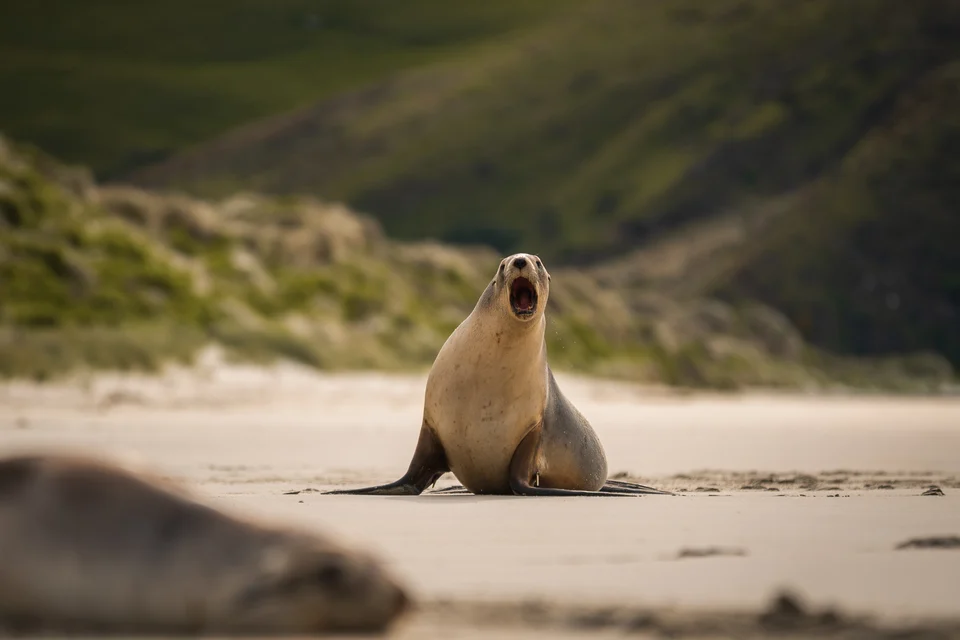
Image courtesy of Tourism New Zealand
6. Queenstown: Best for Adventure Activities
Queenstown, on the South Island, is the natural base for travellers who want adventure activities within easy reach of good accommodation, restaurants and alpine scenery.
Commercial bungy jumping began at the Kawarau Bridge near Queenstown in 1988, when AJ Hackett and Henry van Asch established the world's first commercial bungy site. Today the region's options extend well beyond the original jump: jet boating, canyon swings, ziplining, mountain biking, four-wheel-drive trips and rafting can all fit into a few days here.
Winter changes the rhythm of the town, with skiing and snowboarding in the surrounding mountains. During the warmer months, longer daylight opens up hiking, biking and time on Lake Whakatipu.
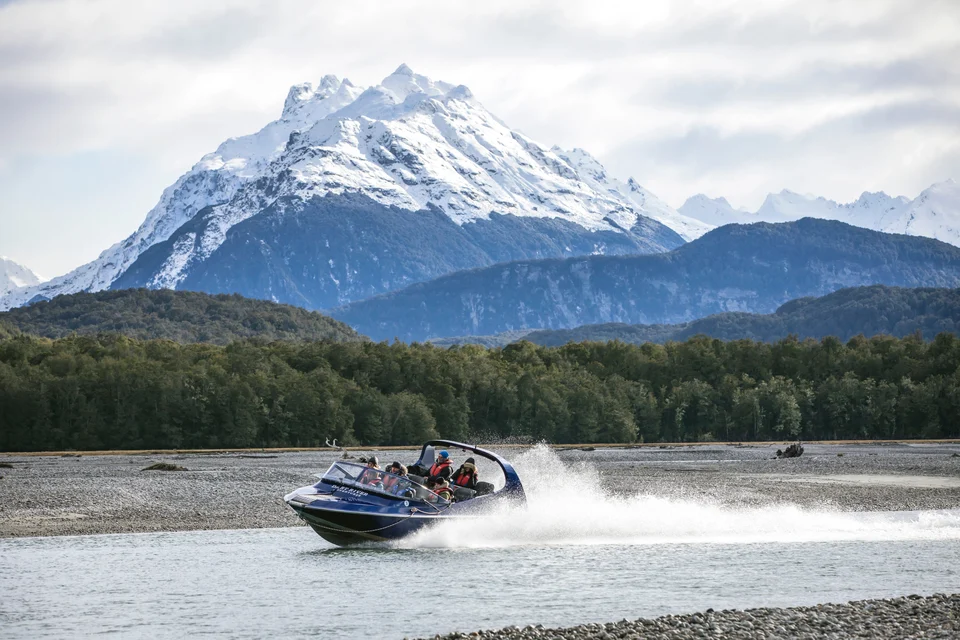
Image courtesy of Tourism New Zealand
7. Fiordland National Park: Best for Hiking
Fiordland National Park and Southland, at the southwestern edge of the South Island, offer some of New Zealand's most substantial walking experiences.
The region includes the Milford, Kepler and Routeburn Great Walks, along with excellent shorter options around Te Anau and Milford Sound/Piopiotahi. Lake Marian is a rewarding day walk for suitably prepared hikers, while the Hollyford Valley offers a different way into Fiordland's forest, river and mountain country.
Weather is part of travelling here. Rain is frequent and conditions can change quickly, so build flexibility into hiking days and arrive properly equipped.
For route ideas and practical preparation, see our complete guide to hiking in New Zealand.
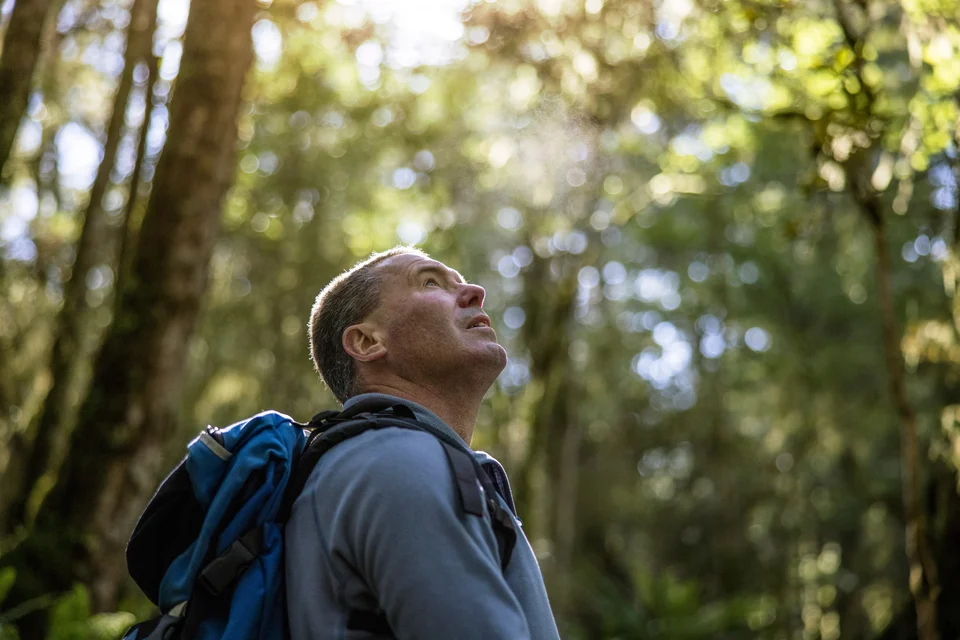
Image courtesy of Tourism New Zealand
8. Central Otago: Best for Cycling
Central Otago, in the lower South Island, is one of New Zealand's strongest cycling regions, particularly for travellers who enjoy multi-day trails paired with small towns, food and wine.
The Otago Central Rail Trail follows the route of the former railway through dry inland country and historic settlements. Elsewhere, the Lake Dunstan Trail links Cromwell and Clyde through the Cromwell Gorge, while the Roxburgh Gorge Trail follows the Clutha Mata-Au through another distinctive section of Central Otago.
The region rewards an unhurried itinerary. A few nights allow you to combine riding with cellar doors around Bannockburn, heritage towns such as Clyde and the changing light across the region's open hills.
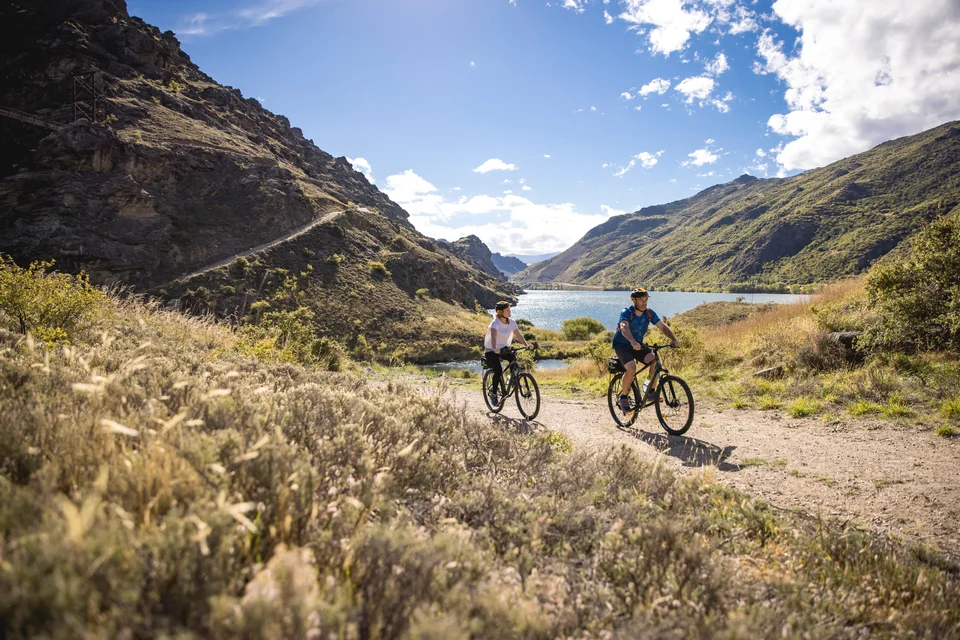
Image courtesy of Tourism New Zealand
9. Hobbiton: Best Lord of the Rings Experience
HobbitonTM Movie Set at Matamata, in the North Island's Waikato region, is the obvious stop for travellers interested in The Lord of the Rings and The Hobbit.
Tours take visitors through the Shire set, past Hobbit Holes and into the Green Dragon Inn, with guides explaining how the working farm became one of New Zealand's best-known film locations. Dedicated fans can go deeper with extended and behind-the-scenes experiences.
Matamata fits particularly well between Auckland and Rotorua, so the visit can be incorporated without a substantial detour on a North Island route.
Explore our Lord of the Rings journeys if you want to connect Hobbiton with other filming locations around New Zealand.
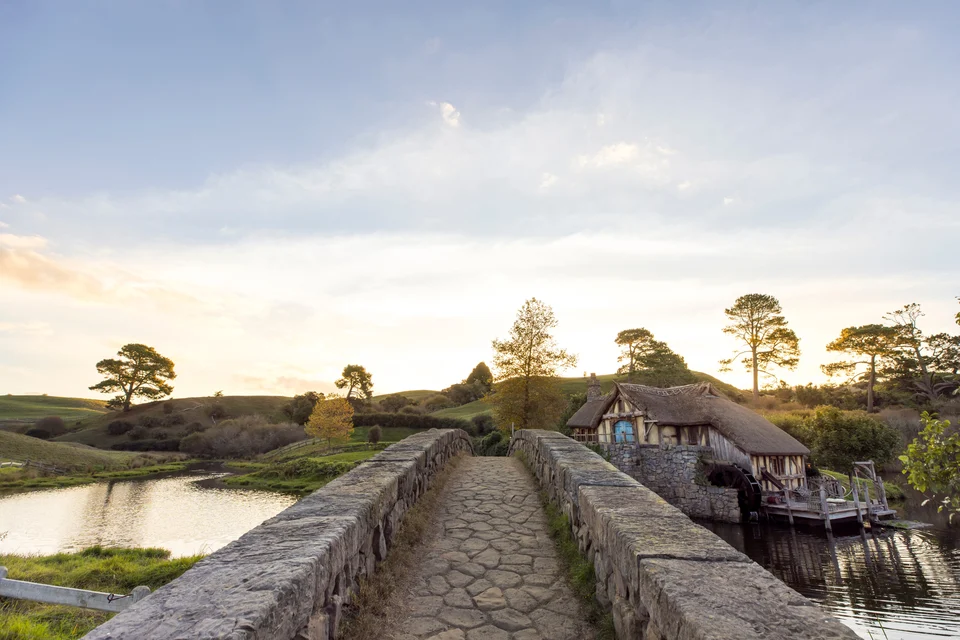
Image courtesy of Tourism New Zealand
10. Bay of Islands: Best for Couples
The Bay of Islands and Northland, in the upper North Island, suit couples who want time by the water without having to retreat completely from restaurants, history and local experiences.
The region encompasses more than 140 islands, with Paihia, Russell and Waitangi forming a useful base for exploring. Days can be spent sailing between islands, walking coastal tracks, visiting Waitangi Treaty Grounds or simply leaving room for a long lunch beside the water.
For a longer stay, consider moving beyond Paihia to one of Northland's smaller coastal properties, where the pace eases further.
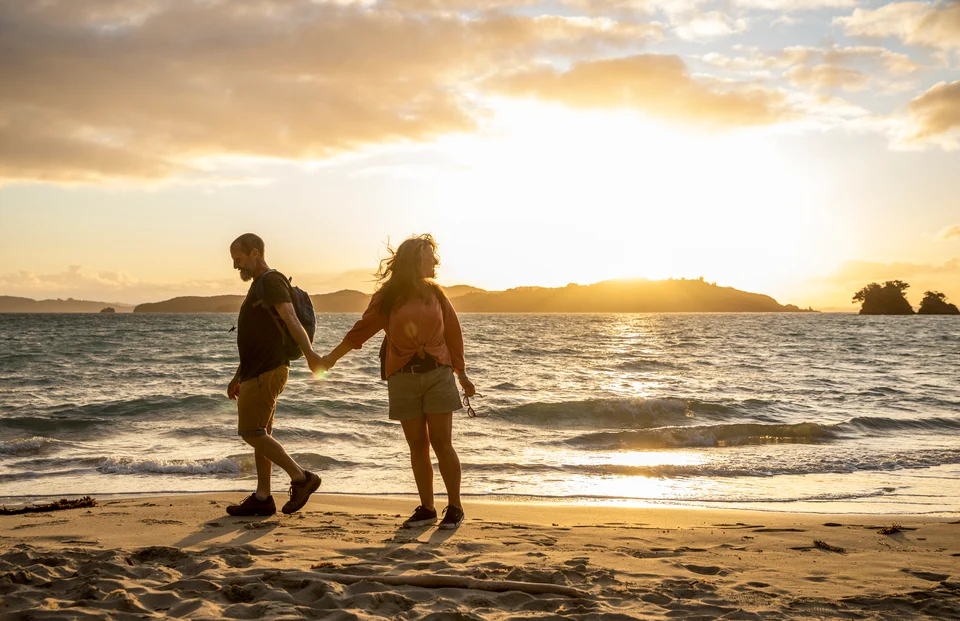
Image courtesy of Tourism New Zealand
11. Stewart Island (Rakiura): Best for the Southern Lights
Stewart Island (Rakiura), off the southern end of the South Island, gives travellers one of New Zealand's better settings for watching the Aurora Australis when conditions align.
Its southerly latitude and limited artificial light help, but an aurora is never guaranteed. Treat it as a possibility rather than the sole reason for visiting. Rakiura has plenty to fill the days as well, including forest walks, birdlife, coastal scenery and opportunities to look for kiwi in the wild.
The island is reached by ferry from Bluff or by air from Invercargill, making it a natural extension to a journey through Southland.
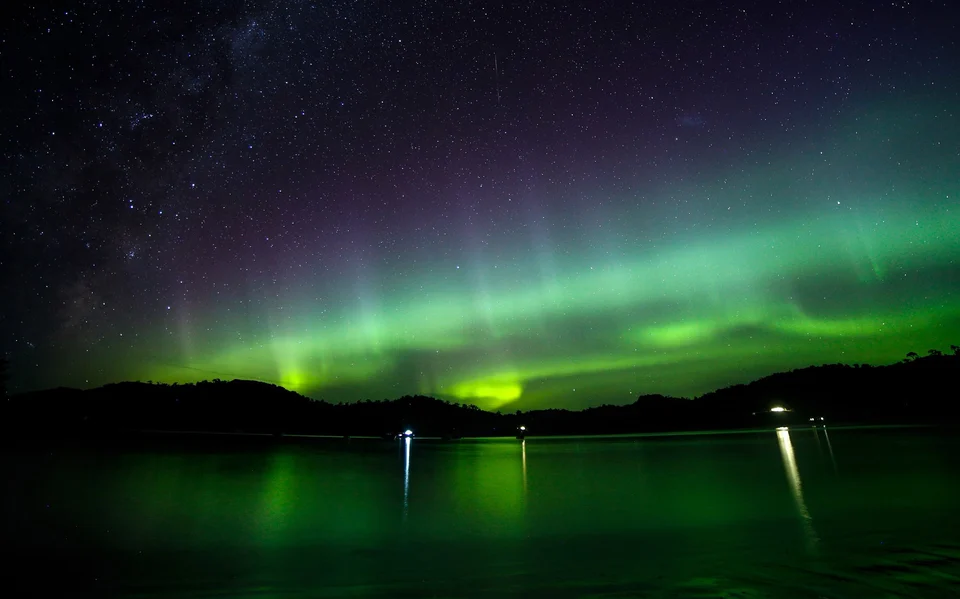
Image courtesy of Sandra Whipp
12. Tongariro National Park: Best for Volcanic Landscapes
Tongariro National Park, in the central North Island, is the place to see New Zealand's volcanic terrain at its most immediate.
Ruapehu, Tongariro and Ngāuruhoe dominate the landscape, with old lava flows, craters and alpine terrain revealing the area's active geological history. The Tongariro Alpine Crossing is the best-known day walk, covering 19.4 kilometres through exposed volcanic country and requiring good preparation, suitable weather and transport arrangements at either end.
There is plenty here beyond the Crossing. Shorter walks and viewpoints allow travellers to experience the national park without committing to a full alpine day, while winter brings skiing to the slopes of Ruapehu.
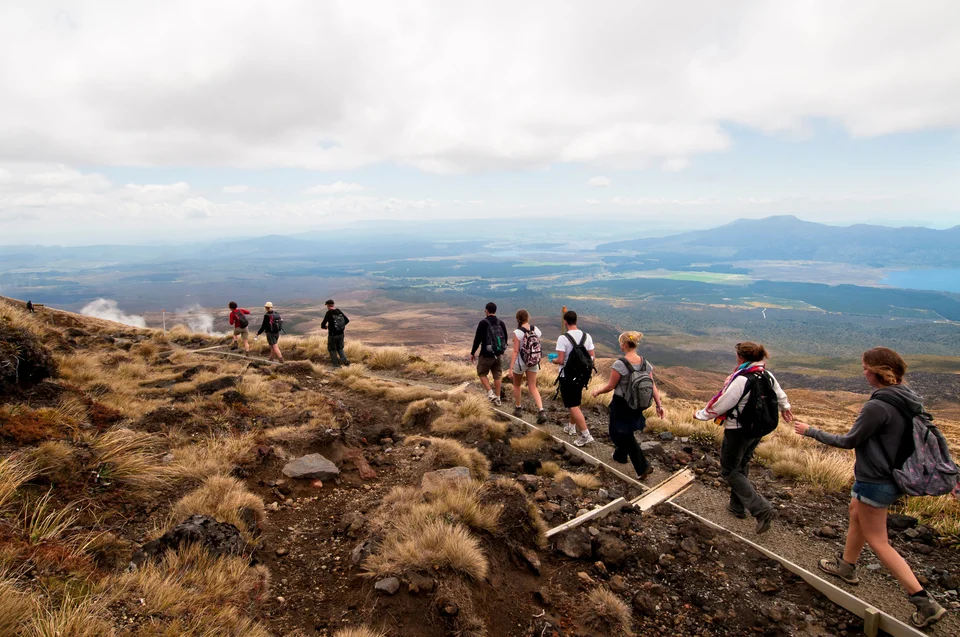
Image courtesy of Paul Abbit
Frequently Asked Questions
What is the most beautiful place in New Zealand?
There is no single most beautiful place in New Zealand, but Fiordland National Park is a strong choice for travellers drawn to dramatic natural landscapes. Milford Sound/Piopiotahi combines steep mountains, rainforest and waterfalls, while elsewhere in the country Aoraki Mackenzie offers expansive alpine scenery and the Bay of Islands has a warmer, coastal character. The best choice ultimately depends on the landscapes you most want to experience.
Is the North or the South Island better for a first visit?
Both islands work well for a first visit to New Zealand, although they offer quite different experiences. The North Island is particularly strong for Māori culture, geothermal landscapes, beaches and food and wine, with places such as Rotorua, Waiheke Island and the Bay of Islands. The South Island has a greater concentration of alpine scenery, hiking and wilderness, including Fiordland, Aoraki Mackenzie and the Southern Alps. If you have three weeks or more, combining carefully selected places across both islands gives you a broader introduction to New Zealand without rushing.
How many days do you need in New Zealand?
You can have an enjoyable time in New Zealand with shorter journey's but your trip will lack a bit of depth. If it's your first time visiting, we would recommend you allow at least 10 to 14 days for a well-paced trip focused on either the North or South Island. Around three weeks gives you enough time to combine highlights from both islands, while four weeks allows for a more relaxed journey with longer stays and fewer rushed travel days. New Zealand may look compact on a map, but distances, winding roads and the amount there is to experience mean it pays to choose fewer places and give each one enough time.
How to Combine These Places in One Trip
New Zealand may look compact on a map, but combining several regions into one trip takes considered planning. Driving times, ferry and flight schedules, activity departures and accommodation availability all affect the route. Rather than trying to cover too much ground, allow enough time in each place to experience what brought you there.
North Island: Auckland to Tongariro | 10–12 days
Auckland: 2-3 Days
Begin your journey in Auckland, exploring the city and waterfront, with the option to add a day trip or overnight stay on Waiheke Island for vineyard visits, beautiful beaches and a long lunch overlooking the Hauraki Gulf.
Bay of Islands: 2–3 Days
Head north to the Bay of Islands, with time to get out on the water or explore the historic sights of Waitangi and Russell.
Cambridge: 1 Day
Return south to the tree-lined town of Cambridge, perfectly positioned for exploring the glowworm caves of Waitomo and the cinematic landscapes of Hobbiton.
Rotorua: 2 Days
Continue to Rotorua to experience Māori culture, bubbling mud pools, steaming geysers and other geothermal wonders.
Tongariro National Park: 2–3 Days
Journey south to Tongariro, where dramatic volcanic landscapes set the scene for spectacular walks. Allow an extra night if the Tongariro Alpine Crossing is a priority, giving you flexibility around alpine weather before venturing back to where it all began in Auckland.
South Island: Queenstown to Maruia | 14–18 days
Queenstown: 2–3 Days
Begin in Queenstown, soaking up the adventure with jet boating, canyoning, 4WD experiences or simply enjoying the alpine scenery.
Fiordland: 2–3 Days
Continue south into Fiordland, allowing a day to experience Milford Sound and explore the walks along Milford Road, followed by a day hike on sections of the Kepler or Routeburn Tracks.
Rakiura Stewart Island: 2 Days
Travel south to Invercargill before flying or taking the ferry to Rakiura Stewart Island. Spend two nights exploring its abundant wildlife, untouched landscapes and spectacular dark skies.
Dunedin & The Catlins: 2 Days
Follow the Southern Scenic Route through the rugged Catlins to Dunedin, spending two nights exploring the Otago Peninsula and its unique wildlife.
Central Otago: 2–3 Days
Head inland to Central Otago, using Clyde as your base to explore one of the region’s scenic cycle trails, paired with visits to boutique wineries and local producers.
Mackenzie Country: 2 Days
Cross the Lindis Pass into the Mackenzie region, allowing two nights to explore the dramatic alpine landscapes and experience some of New Zealand’s darkest skies. An extra night provides flexibility for stargazing around the weather.
West Coast: 1 Day
Continue through Arthur’s Pass to the West Coast for a night, taking in the wild landscapes before travelling north towards Maruia.
Maruia: 1 Day
Finish your journey at Maruia, surrounded by native forest and wilderness, before continuing to Christchurch to explore the city or connect with your onward flight.
These routes are starting points rather than fixed itineraries. This is where tailor made travel makes a real difference. An experienced local travel planner can arrange accommodation, activities, rental vehicles, private transfers, ferries and domestic flights as one connected journey, while accounting for seasonal conditions and the places where an extra night is genuinely worthwhile. The result is a route built around how you want to experience New Zealand, with the connections taken care of and enough time to enjoy each stop. Explore tailor made New Zealand journeys and start building a trip around the places that matter most to you.
Plan Your Journey
Whether your New Zealand journey is driven by food, adventure, culture, or pure relaxation, each destination offers something extraordinary. From the volcanic heart of the North Island to the alpine peaks of the South, Aotearoa invites you to explore its wild beauty - your way. If you're looking for accommodation to pair with New Zealand's best places to visit, explore our top picks for New Zealand's most unique places to stay.
Ready to plan your New Zealand adventure? Check out Touring New Zealand’s travel packages or let us help you design a journey that connects your passions with the best places to visit across Aotearoa. Every trip can be uniquely yours.
Driving in New Zealand
Flights to New Zealand: Routes, Airlines and Flight Times
New Zealand Wine Regions: The Best to Visit by Variety
New Zealand National Parks: A Guide to All 13

Māori Culture in New Zealand: A Guide to Culture & Heritage Tours

Romantic Getaways in New Zealand

10 Hidden Gems & Off-the-Beaten-Path Places to Visit in New Zealand

A Guide to the Best Day Walks in Fiordland National Park

Unique Places to Stay in New Zealand: 11 Extraordinary Stays
