New Zealand Wine Regions: The Best to Visit by Variety
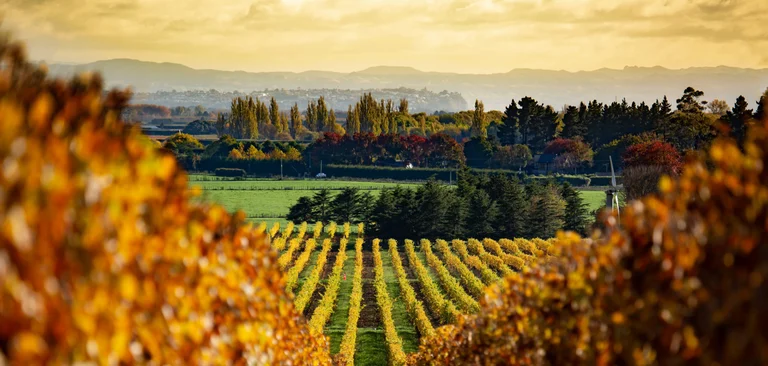
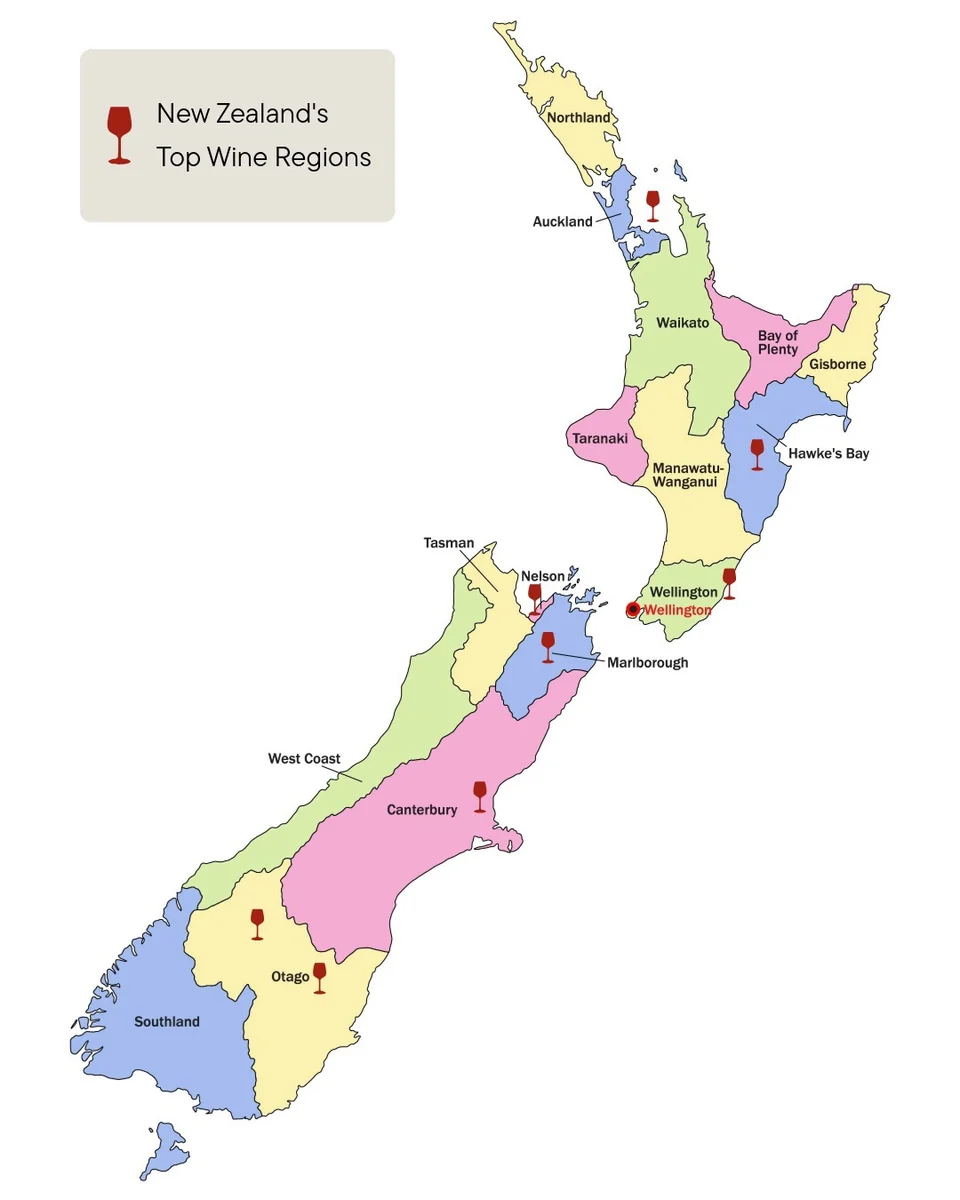
New Zealand's main wine regions each excel at a different grape. Marlborough is the home of Sauvignon Blanc, Central Otago leads for Pinot Noir, Hawke's Bay produces the country's best Bordeaux-style reds, Waipara in North Canterbury stands out for Chardonnay, Martinborough in the Wairarapa for Pinot Gris and Nelson for Riesling. Waiheke Island, a short ferry ride from Auckland, adds rosé and Syrah. This guide, written by a former wine industry insider, names the wineries worth visiting in each region, the bottles to try and where to stay among the vines.
New Zealand's Wine Regions at a Glance
| Region | Island | Signature Variety | Wineries to Visit | Where to Stay |
| Hawke’s Bay | North Island | Bordeaux-style blends | Craggy Range, Smith & Sheth, Te Mata Estate | Craggy Range or Black Barn Retreats |
| Central Otago | South Island | Pinot Noir | Monte Christo, Te Kano, Carrick, Cox’s Vineyard | Monte Christo or Kinross |
| Marlborough | South Island | Sauvignon Blanc | Jules Taylor, Cloudy Bay | The Marlborough or Hans Herzog Estate |
| Waipara, North Canterbury | South Island | Chardonnay | Black Estate, Greystone, Pegasus Bay | Greystone PurePod |
| Wairarapa | North Island | Pinot Gris | Ata Rangi, Johner Estate | Martinborough |
| Nelson / Tasman | South Island | Riesling | Seifried Estate, Kahurangi Estate | Nelson or the Moutere countryside |
| Waiheke Island, Auckland | North Island | Rosé | Man O’ War, Mudbrick, Tantalus Estate | Waiheke Island |
| Wānaka, Central Otago | South Island | Méthode Traditionnelle | Maude Wines | Wānaka |
For a small island nation at the bottom of the world, New Zealand consistently produces some of the finest wines on the global stage. From coastal vineyards kissed by sea spray to dramatic alpine valleys, each wine region in New Zealand offers its own distinct character, climate, and flavour profile.
Having spent time working in the wine industry during Covid, I’ve developed some very personal favourites - and a few opinions that may lean slightly off the beaten track. Below are, in my view, the best wine regions to visit in New Zealand, ranked by the wine variety each region does best.
Best New Zealand Wine Regions for Red Wine
Hawke’s Bay: Bordeaux Blends
Warm, sun-drenched, and shaped by salty coastal air, Hawke’s Bay is New Zealand’s undisputed home of Bordeaux-style red blends. The region produces powerful, age-worthy wines that rival some of the best in the world.
Award-winning Craggy Range leads the charge with Sophia, a premium blend built for longevity. One of the region’s most exciting Cabernets comes from the rising Smith & Sheth, founded by Steve Smith MW who helped establish Craggy Range and Brian Sheth. Their Heretaunga Cabernet Franc is beautifully perfumed with violets, roses, and raspberry, underpinned by Gimblett Gravels stone and dust.
Beyond blends, Hawke’s Bay also excels in Chardonnay. Notable mentions include Čuvar Vineyard’s award-winning Chardonnay and Te Mata Estate’s Elston Chardonnay. Complete your stay in the region with vineyard accommodation at Craggy Range or Black Barn Retreats for the full wine-country experience.
When to visit: February to April brings warm days and harvest activity to Hawke’s Bay, making it an excellent time for cellar doors, vineyard lunches and cycling between wineries. Spring is another good option if you prefer fewer visitors and milder temperatures.
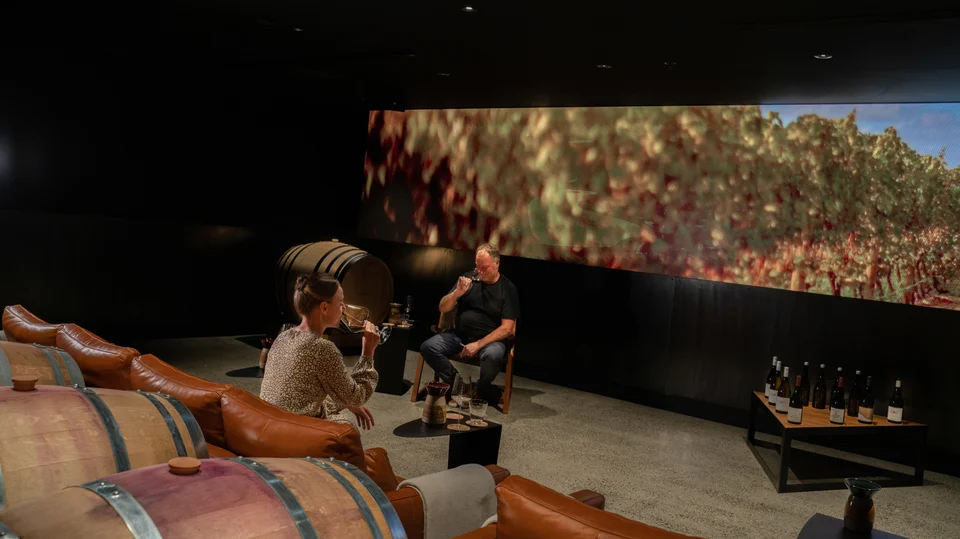
Image courtesy of Hawke's Bay Tourism
Central Otago: Pinot Noir
Once thought impossible due to its harsh, cold climate, Central Otago Pinot Noir is now internationally acclaimed as one of the finest expressions of the variety outside France. This dramatic alpine region produces wines of intensity, elegance, and structure.
Monte Christo Winery in Clyde, considered the birthplace of Pinot Noir in New Zealand, is a must-visit. Planted in 1864, their Pinot offers bright red fruit, earthy savoury notes, and a long, linear finish - best enjoyed in their atmospheric wine cave.
Further along the road is Bannockburn, a mecca of word-class Pinot Noir. Visit Te Kano for sweeping views over the valley, enjoy a day cycling along the Dunstan Trail to finish at Carrick Winery or stop by the Bannockburn Hotel – home to a wine list of over 200 bottles, 40-80 of which can be enjoyed by the glass.
One of my personal highlights is Cox’s Vineyard in Gibbston Valley, a tiny single-vineyard producer making Pinot Noir with dark spice, smoky aromatics, and serious depth. These wines are only available at the vineyard, making this a true wine-lover’s bucket-list stop.
Complete your Central Otago winery experience amongst the vines with an overnight stay at Monte Christo or Kinross Winery.
When to visit: March and April are particularly rewarding, as harvest coincides with autumn colour across the vineyards and surrounding hills. For cycling and cellar-door visits, the broader period from October to April generally offers the most comfortable conditions.
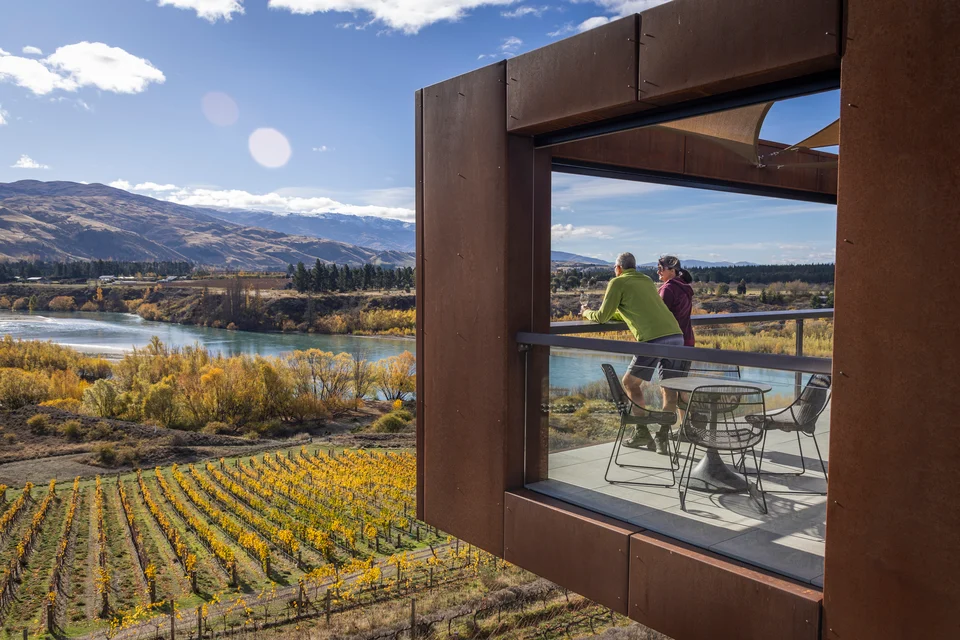
Image courtesy of Geoff Marks
Best New Zealand Wine Regions for White Wine
Marlborough: Sauvignon Blanc
Framed by the Queen Charlotte, Pelorus, and Kenepuru Sounds, Marlborough is New Zealand’s most internationally recognised wine region, and for good reason. While the region is synonymous with Sauvignon Blanc, forget overly green or grassy stereotypes.
Marlborough Sauvignon Blanc is aromatic, vibrant, and layered. Even as a red wine drinker, I can’t deny its charm. For first-timers, Jules Taylor Sauvignon Blanc is my top recommendation, offering passionfruit, red apple, mandarin peel, and crisp green pear. Cloudy Bay follows closely, remaining a benchmark for the region.
Extend your visit with a vineyard stay at The Marlborough or Hans Herzog Estate, where fine wine and refined accommodation go hand in hand.
When to visit: February to April is prime wine-country time in Marlborough, with warm days and vintage underway across the region. Spring and early summer are also appealing, with long daylight hours for combining cellar doors with time in the Marlborough Sounds.
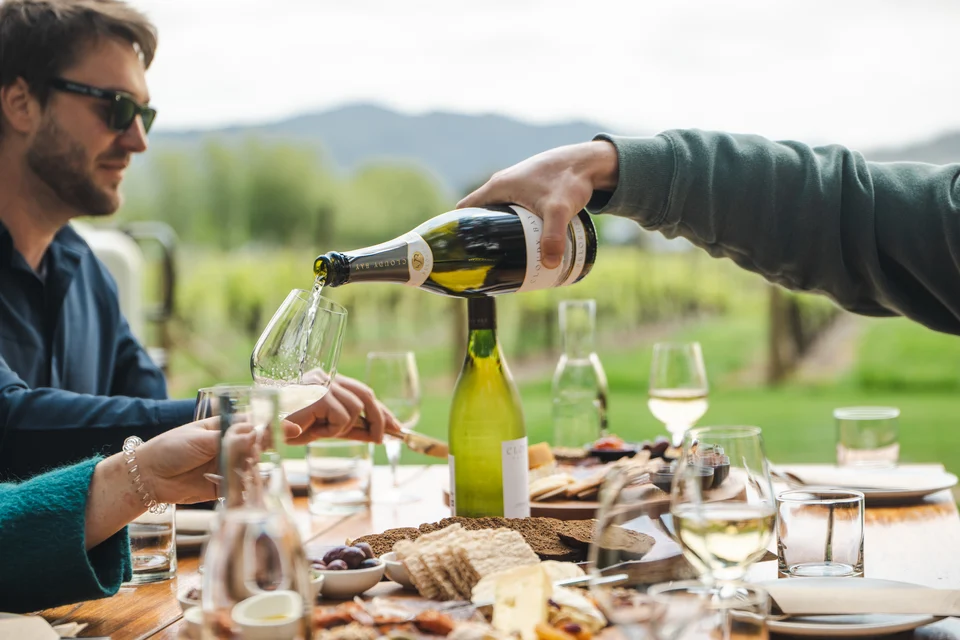
Image courtesy of Destination Marlborough
Waipara, North Canterbury: Chardonnay
Often overshadowed by its neighbour, Marlborough, the Waipara Valley in North Canterbury quietly produces some of the best Chardonnay in New Zealand and is frequently compared to those in Burgundy. What stands out for me in this region is its passion for a strong organic and biodynamic focus.
Black Estate Chardonnay leans towards a Riesling-like profile, with white florals, stone fruit, fine acidity, and a distinctive cool-climate edge. Greystone’s Organic Chardonnay, a consistent award winner, delivers ripe stone fruit flavours balanced by beautifully integrated oak.
Also worth seeking out are Pegasus Bay’s elegant Riesling and George Road Wines’ Pinot Gris, both excellent expressions of the region. If you’re looking to spend some time here, immerse yourself in a PurePod stay at Greystone Valley and watch the sunset into stars in the Dark Sky Reserve.
When to visit: February to April suits leisurely cellar-door visits, vineyard lunches and the region’s harvest season. Autumn also brings cooler evenings and clear conditions that work particularly well if you are pairing wine tasting with a stay beneath the stars.
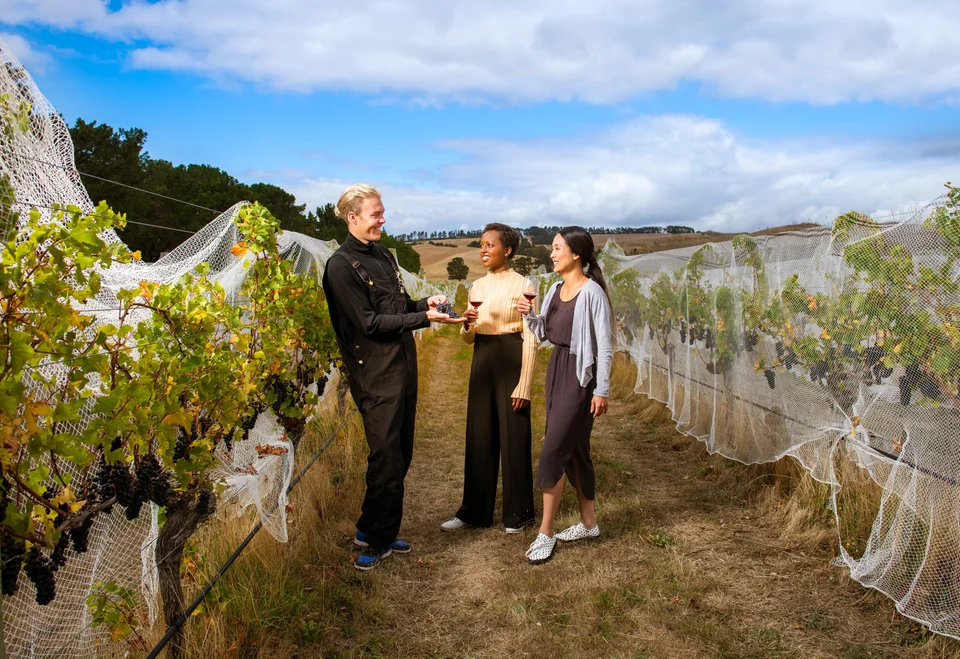
Image courtesy of Christchurch NZ
Wairarapa, North Wellington: Pinot Gris
The Wairarapa, and particularly Martinborough, is known for vibrant, fruit-forward Pinot Gris. Ata Rangi’s Lismore Pinot Gris delivers layers of stone fruit, walnut, cinnamon, and subtle beeswax, while Johner Estate offers juicy acidity and a beautifully balanced finish.
This region is perfect for both seasoned wine lovers and those early in their wine journey. Spend your days tasting and your evenings under the stars in the Wairarapa Dark Sky Reserve.
When to visit: January to April is a good window for exploring Martinborough’s vineyards, particularly by bicycle, with warm days stretching into early autumn. Visit outside weekends and major events if you prefer a slower pace around the cellar doors.
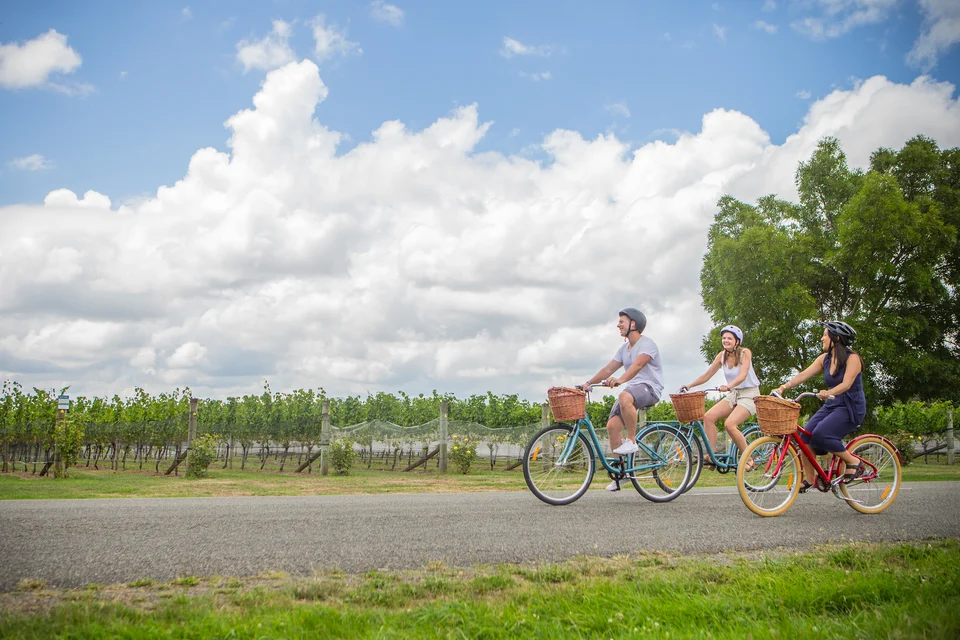
Image courtesy of Jeff Mcewan, Wellington NZ
Nelson/Tasman: Riesling
The Nelson/Tasman region produces some of New Zealand’s most aromatic and expressive Riesling, thanks to its sunny climate and stony soils.
Seifried Estate’s Old Coach Road Riesling is a regional classic - medium-sweet, with fermentation stopped just before dryness to retain natural residual sugar. Kahurangi Estate, home to some of the oldest Riesling vines in the South Island (planted in 1973), offers bold flavours ranging from dry to medium-sweet, with bright citrus and stone fruit.
Nelson/Tasman remains one of New Zealand’s most underrated wine regions - and now is the perfect time to visit before the secret gets out.
When to visit: January to April makes the most of Nelson’s long sunshine hours, with late summer and early autumn particularly good for combining wineries with Abel Tasman and the wider Tasman region. Harvest generally adds extra interest towards the end of summer.
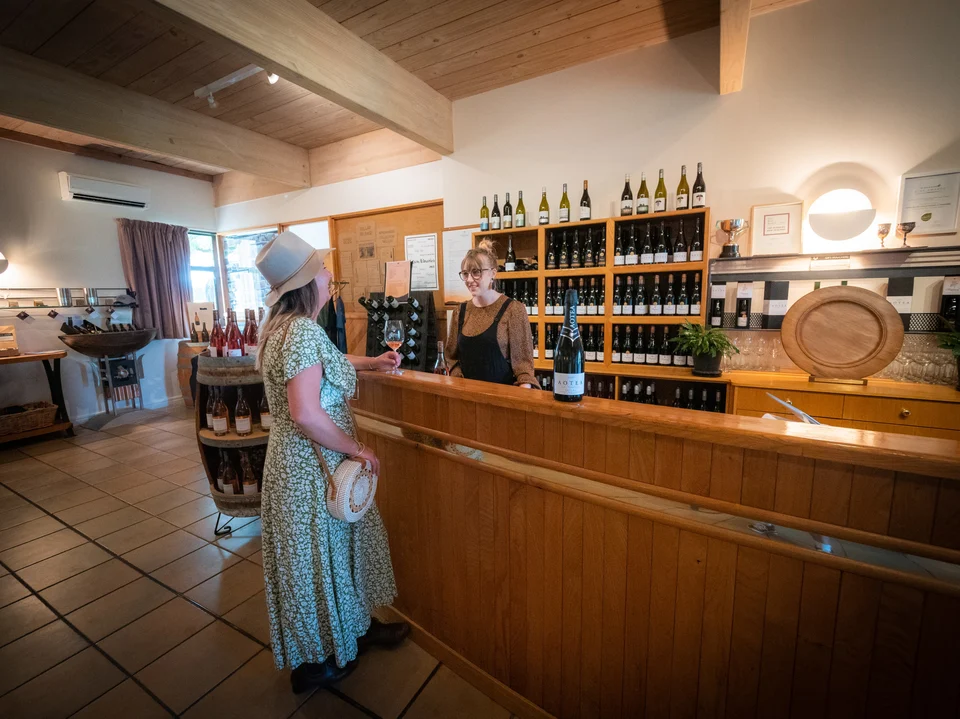
Image courtesy of Nelson Tasman
Specialty Wines Worth Seeking Out
Waiheke Island, Auckland: Rosé
This may be a controversial pick, as Waiheke Island isn’t traditionally known for rosé - but for me, this island does it beautifully and is where my journey with Rosé all began. There’s something undeniably romantic about enjoying a French-style rosé in the height of summer, with warm sunshine, salty sea air, and vineyard views rolling down to the ocean.
I’ll admit some bias here: Man O’War’s Pinque Rosé is the wine that converted me to rosé in the first place. Light, crisp, and coastal, with strawberry and watermelon undertones, it’s the perfect summer wine - especially when enjoyed at their beachfront winery. Other standouts include Mudbrick Vineyard, offering a vibrant rosé with fresh fruit and citrus notes, and Tantalus Estate for those who enjoy a slightly sweeter style, with flavours of red berries, pink grapefruit, and Tahitian lime.
Rosé aside, Waiheke Island is a must-visit wine destination, best known for its Bordeaux-style blends and elegant Syrah. With over 30 boutique wineries, just 40 minutes by ferry from downtown Auckland, Waiheke is essential for any wine lover visiting New Zealand.
When to visit: December to March is Waiheke at its most summery, when rosé, vineyard lunches and time by the water naturally go together. For fewer day visitors while retaining pleasant weather, consider late February through April.
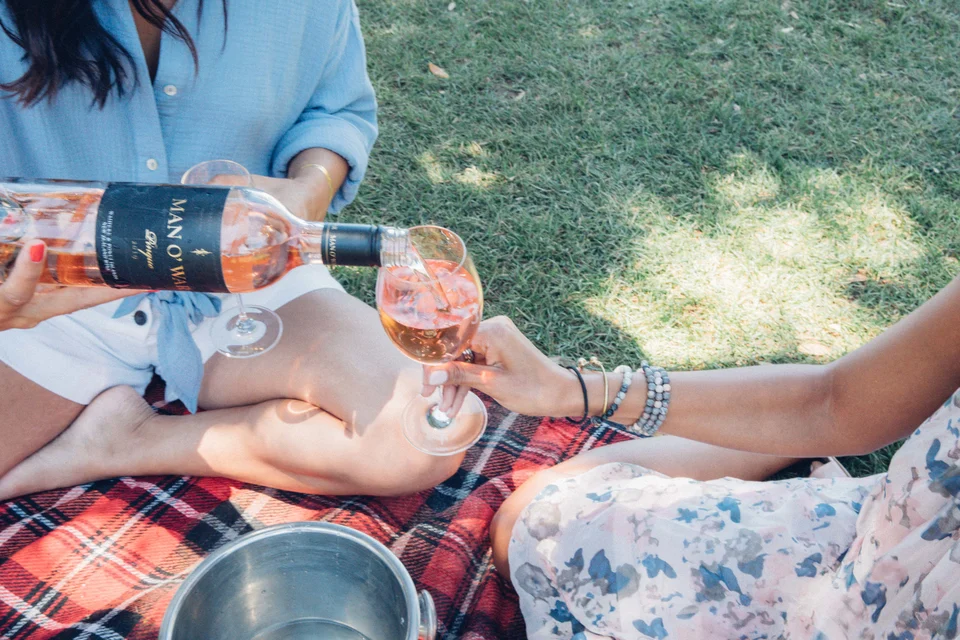
Image courtesy of Auckland NZ
Wānaka: Special Mention — Méthode Traditionnelle
Champagne by another name. While there are excellent examples across the country - including Smith and Sheth CRU Méthode Blanc de Noir (Hawke's Bay), Nautilus Cuvée Brut (Marlborough) and Mora Brut NV (Central Otago) - I couldn’t resist highlighting my favourite bubbles.
From my hometown of Wānaka (yes, again, perhaps biased), Maude Méthode Traditionnelle is a beautifully moreish blend of lemon blossom, brioche, and almond. Their scenic tasting room overlooking Lake Wānaka is a perfect stop for a glass of bubbles and a bite to eat.
When to visit: Wānaka works year-round: summer suits lakeside days and hiking, while winter pairs a tasting-room visit with time in the surrounding ski fields. March and April are particularly appealing for settled autumn days and the changing colours around the Upper Clutha.
Other New Zealand Wine Regions to Know
Beyond New Zealand’s best-known wine destinations, several smaller regions are worth keeping in mind when they fit naturally into your route.
Gisborne
Gisborne, on the east coast of the North Island, has a long history of wine growing and is particularly associated with Chardonnay, alongside aromatic varieties such as Gewürztraminer and Pinot Gris. Cellar doors can be easily combined with the region’s beaches and food scene, making wine part of a wider East Coast stay.
Auckland and Matakana
The wider Auckland wine region extends well beyond Waiheke Island. Around an hour north of the city, Matakana has a collection of small vineyards producing varieties including Syrah, Pinot Gris and Chardonnay, with cellar doors sitting among the area’s restaurants, markets and coastal countryside.
Northland
Northland is New Zealand’s northernmost wine region and the place where the country’s modern wine story began, with vines first planted by missionary Samuel Marsden in the Bay of Islands in 1819. Today, its warm climate supports varieties including Syrah, Chardonnay and Pinot Gris, with small producers scattered between the Bay of Islands and the wider region. One of our favourite places to stay to experience Northland wine is at Paroa Bay, dine at their restaurant Sage and pair their Leeward Chardonnay with scenic views across the Bay of Islands finishing with a gentle stroll across the vineyard to your boutique accommodation.
Waitaki Valley
On the boundary between North Otago and South Canterbury, the Waitaki Valley is one of New Zealand’s youngest wine regions and offer smaller cool-climate wine. Pinot Noir, Pinot Gris and aromatic whites are among its strengths, and its limestone-influenced soils give the region a character distinct from neighbouring Central Otago. Valli’s Pinot Noir is particularly acclaimed for its silky tannins, while the winery’s tasting room in Kurow makes for a worthwhile stop if you’re staying at Valley View Glamping. A worthwhile addition when travelling between the Southern Alps and coastal Otago.
Frequently Asked Questions
What is the largest wine region in New Zealand?
Marlborough is New Zealand’s largest wine region, accounting for the majority of the country’s vineyard area. At the top of the South Island, it is best known for Sauvignon Blanc, although producers also make excellent Pinot Noir, Chardonnay and traditional-method sparkling wines. Blenheim is the main base for exploring its cellar doors and vineyards.
When is the best time to visit New Zealand wineries?
Late summer and autumn, particularly February to April, are excellent months for visiting New Zealand’s wine regions. Vineyards are at their most active around harvest, the weather is generally settled, and regions such as Marlborough, Hawke’s Bay and Central Otago are particularly rewarding. Cellar doors operate throughout much of the year, however, so wine can easily form part of a New Zealand journey in any season. For more information about the best time to visit New Zealand, explore our seasonal guide.
Can you do a wine tour of both islands in one trip?
Yes. With two to three weeks, you can comfortably include wine regions on both the North and South Islands without making the journey entirely about wine. A North Island route might combine Waiheke Island and Hawke’s Bay before flying south to Marlborough, then continuing to Central Otago. Working with a New Zealand travel expert makes it easier to coordinate cellar-door visits, accommodation, domestic flights and driving routes as part of one seamless itinerary.
Plan Your New Zealand Wine Journey
Whatever your palate, New Zealand’s wine regions promise depth, diversity, and discovery. From iconic producers to hidden gems, these regions reward those willing to explore beyond the obvious.
Speak with our New Zealand-based team about designing your ultimate Aotearoa wine journey, with access to off-the-beaten-track vineyards, private tastings, and meet-the-winemaker experiences curated by local experts.
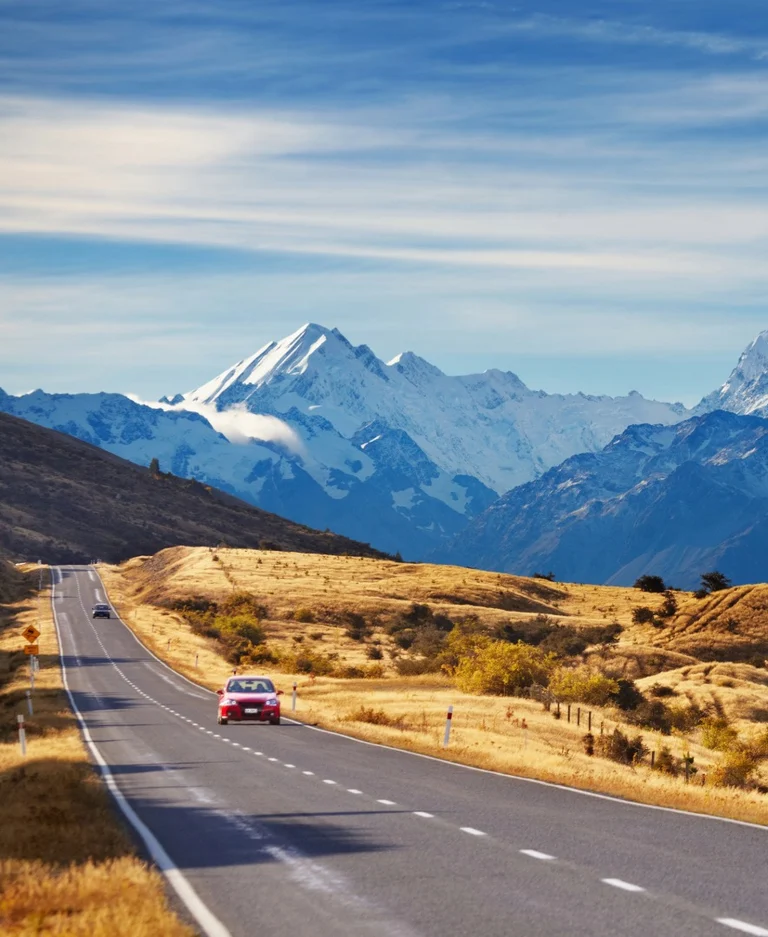
Driving in New Zealand
Best Places to Visit in New Zealand by Travel Style
Flights to New Zealand: Routes, Airlines and Flight Times
New Zealand National Parks: A Guide to All 13

Māori Culture in New Zealand: A Guide to Culture & Heritage Tours

Romantic Getaways in New Zealand

10 Hidden Gems & Off-the-Beaten-Path Places to Visit in New Zealand

A Guide to the Best Day Walks in Fiordland National Park

Unique Places to Stay in New Zealand: 11 Extraordinary Stays
