New Zealand National Parks: A Guide to All 13
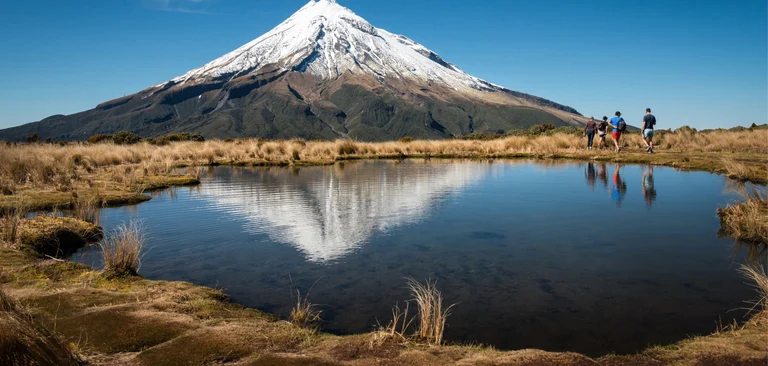
New Zealand has 13 national parks, three in the North Island, nine in the South Island and one on Stewart Island. Tongariro, the first, is a dual UNESCO World Heritage Site known for its volcanoes. Fiordland is the largest and home to Milford and Doubtful Sounds. Aoraki/Mount Cook holds the country's highest peak, while Abel Tasman is the smallest and best known for its golden beaches. Most parks are crossed by at least one Great Walk. If you have seen references to 14 national parks, that is because Te Urewera ceased to be a national park in 2014. This guide covers where each park is, what makes it worth visiting and the signature walk or experience in each one.
New Zealand National Parks at a Glance
| Park | Island and Region | Established | Known For | Great Walk |
| Tongariro National Park | North Island - Central North Island | 1887 | Volcanoes, alpine terrain, dual World Heritage status | Tongariro Northern Circuit |
| Whanganui National Park | North Island - Manawatū-Whanganui | 1986 | Whanganui River, forest and river journeys | Whanganui Journey |
| Te Papakura o Taranaki | North Island - Taranaki | 1900 | Taranaki Maunga, rainforest and alpine landscapes | — |
| Abel Tasman National Park | South Island - Nelson Tasman | 1942 | Golden beaches, coastal forest and kayaking | Abel Tasman Coast Track |
| Nelson Lakes National Park | South Island - Nelson Tasman | 1956 | Lakes Rotoiti and Rotoroa, beech forest and alpine hiking | — |
| Kahurangi National Park | South Island - Nelson Tasman / West Coast | 1996 | Remote wilderness, limestone landscapes and biodiversity | Heaphy Track |
| Aoraki/Mount Cook National Park | South Island - Canterbury / Mackenzie | 1953 | Aoraki/Mount Cook, glaciers and high alpine landscapes | — |
| Arthur’s Pass National Park | South Island - Canterbury / West Coast | 1929 | Southern Alps, waterfalls, alpine hiking and kea | — |
| Paparoa National Park | South Island — West Coast | 1987 | Pancake Rocks, limestone formations and rainforest | Paparoa Track |
| Westland Tai Poutini National Park | South Island — West Coast | 1960 | Franz Josef and Fox glaciers, rainforest and mountains | — |
| Mount Aspiring National Park | South Island — Otago / West Coast | 1964 | Alpine valleys, glaciers and Mount Aspiring / Tititea | Routeburn Track* |
| Fiordland National Park | South Island — Southland / Fiordland | 1952 | Milford Sound, Doubtful Sound, fiords and wilderness | Milford, Kepler, Routeburn & Hump Ridge Tracks* |
| Rakiura National Park | Stewart Island / Rakiura — Southland | 2002 | Native wildlife, coastal forest and wild kiwi | Rakiura Track |
Note: *The Routeburn Track crosses both Mount Aspiring and Fiordland National Parks, while the Hump Ridge Track became a Great Walk in 2024 and passes through Fiordland National Park for part of its route.
Here’s where to visit all 13 national parks to experience the best of New Zealand's nature and wildlife.
1. Tongariro National Park: Central North Island
Located in Manawatu-Whanganui, Tongariro National Park is New Zealand’s first national park and a UNESCO World Heritage Site. Tongariro is famous for its volcanic peaks, Tongariro, Ngauruhoe, and Ruapehu and its starring role as Mount Doom in The Lord of the Rings. Here you can walk a Great Walk of New Zealand, the Tongariro Northern Circuit, in the warmer months. In winter, hit the slopes at Whakapapa and Tūroa for an unforgettable alpine experience.
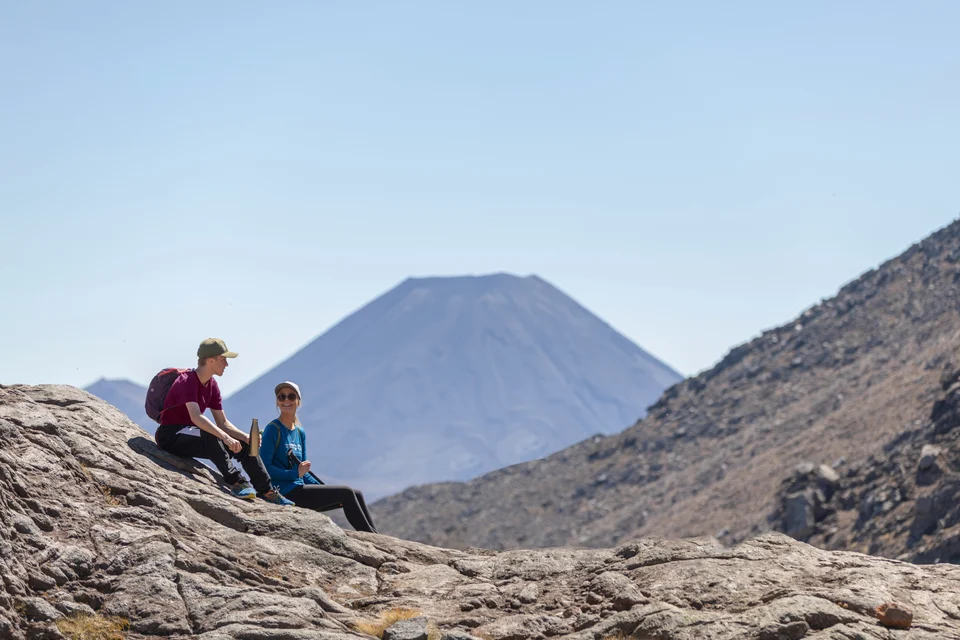
Image courtesy of Ruapehu Tourism
2. Whanganui National Park: Central North Island
Located in Manawatu-Whanganui, Whanganui National Park is a park defined by water and history, where the river winds through lush forest and deep gorges. Here you can paddle the Whanganui Journey, one of New Zealand’s Great Walks (by canoe!) In 2017, the Whanganui River became the first in the world recognised as a legal person, reflecting the Māori belief that it is an ancestor. Guardians now speak on its behalf, preserving it for future generations.
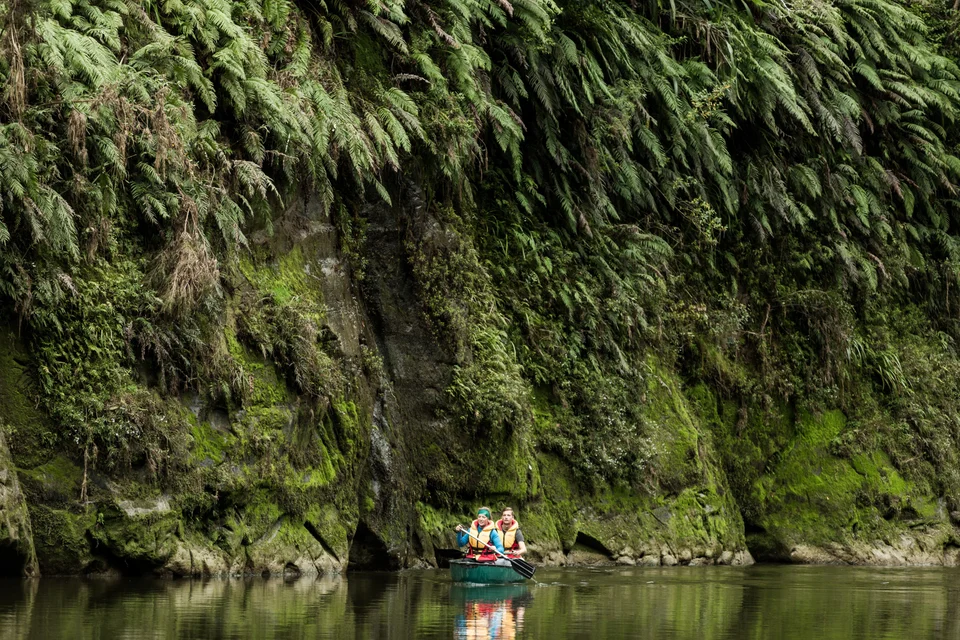
Image courtesy of Ruapehu Tourism
3. Te Papakura o Taranaki (Egmont National Park): Western North Island
Dominated by the perfectly conical Mount Taranaki, this park is a striking mix of alpine terrain and lush rainforest. Hike to the Pouakai Tarns for the iconic mirrored reflection of the peak, wander the surrounding forests, or explore waterfalls cascading from verdant slopes. Mount Taranaki’s slopes inspired scenes in The Last Samurai, and Māori stories imbue the landscape with spiritual significance. Whether you’re trekking, photographing, or simply absorbing the scenery, this National Park in Taranaki is impossible to forget.
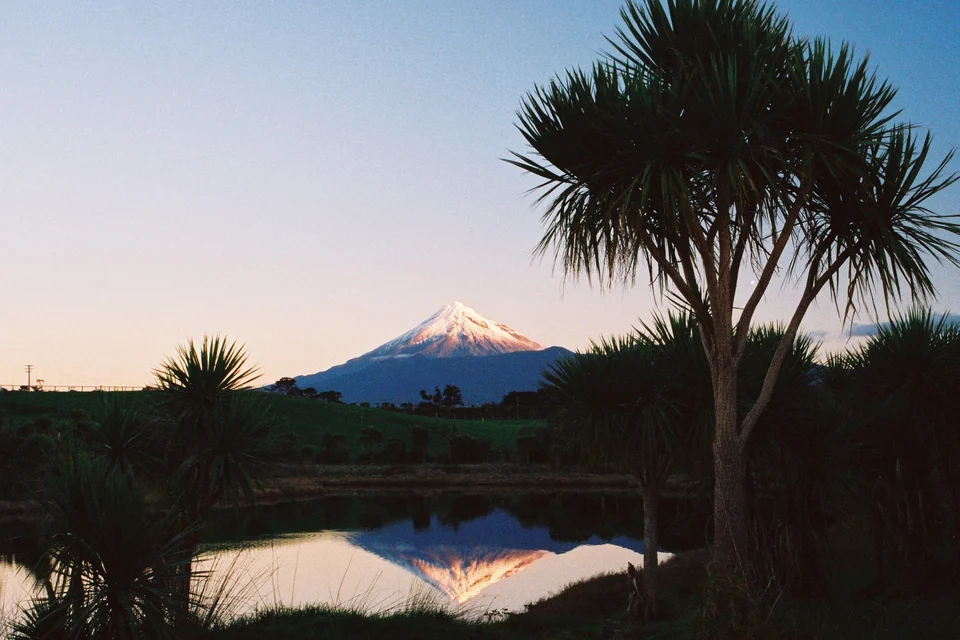
Image courtesy of Ruapehu Tourism
4. Abel Tasman National Park: Top of the South
Golden beaches, turquoise waters, and coastal walking tracks make Abel Tasman a haven for kayakers and hikers alike. The Abel Tasman Coast Track, one of New Zealand’s Great Walks, winds past sheltered bays and native bush, with opportunities to spot seals and native birds. Swim in crystal-clear coves, paddle along the coastline, or simply bask in the sun on the sands. This park offers a perfect blend of adventure and serenity, ideal for those craving quiet nature.
Explore our Abel Tasman Great Walk Journey.
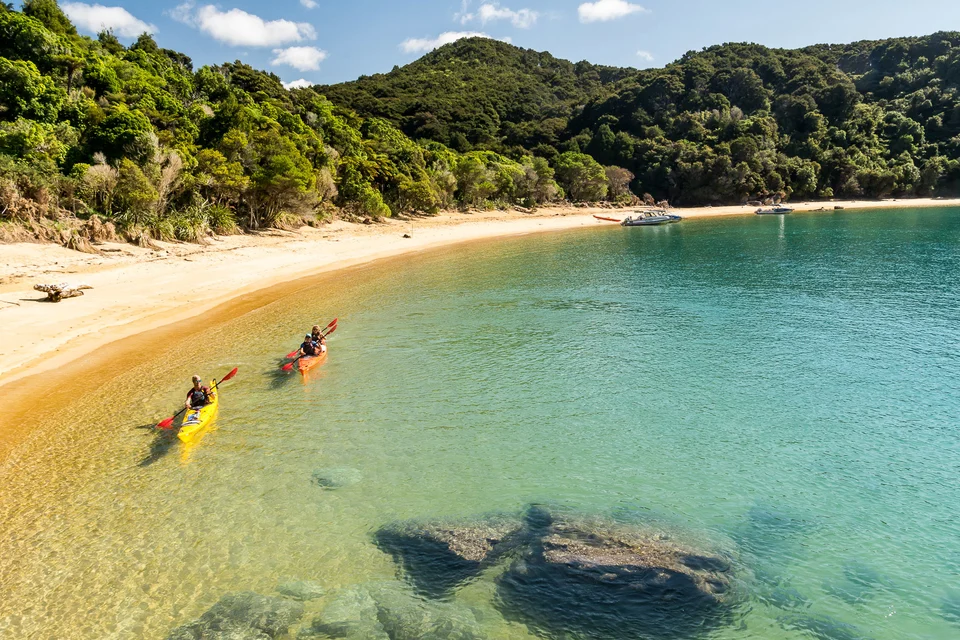
Image courtesy of Nelson Tasman Tourism
5. Nelson Lakes National Park: Top of the South
A compact alpine region framed by forested valleys, Nelson Lakes National Park is home to the tranquil glacial lakes Rotoroa and Rotoiti. Hike gentle lakeside tracks or tackle challenging alpine trails through beech forests alive with native birdsong. Rich in Māori legend, the Nelson Lakes are where Chief Rākaihautū dug the lakes with his ko (digging stick), creating Rotoroa (“large waters”) and Rotoiti (“small waters”). The park’s combination of mountains, lakes, and mythology makes it a peaceful escape for all levels of adventurers.
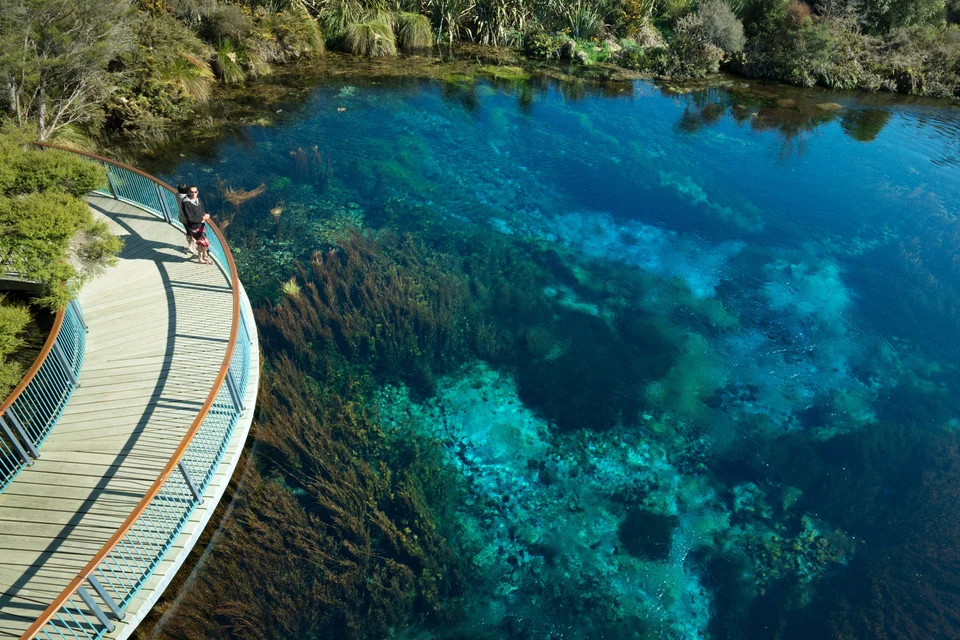
Image courtesy of Nelson Tasman Tourism
6. Kahurangi National Park: Top of the South
New Zealand’s second-largest national park, Kahurangi, is a realm of diverse landscapes, from wild coastlines to ancient forests and karst limestone formations. Walk part of the Heaphy Track – a Great Walk, encounter rare native flora, or explore caves and arches in the Oparara Basin. With abundant hiking trails and secluded spots, it’s a place where discovery feels endless, and the sense of remoteness is palpable. Adventure and biodiversity go hand-in-hand here.
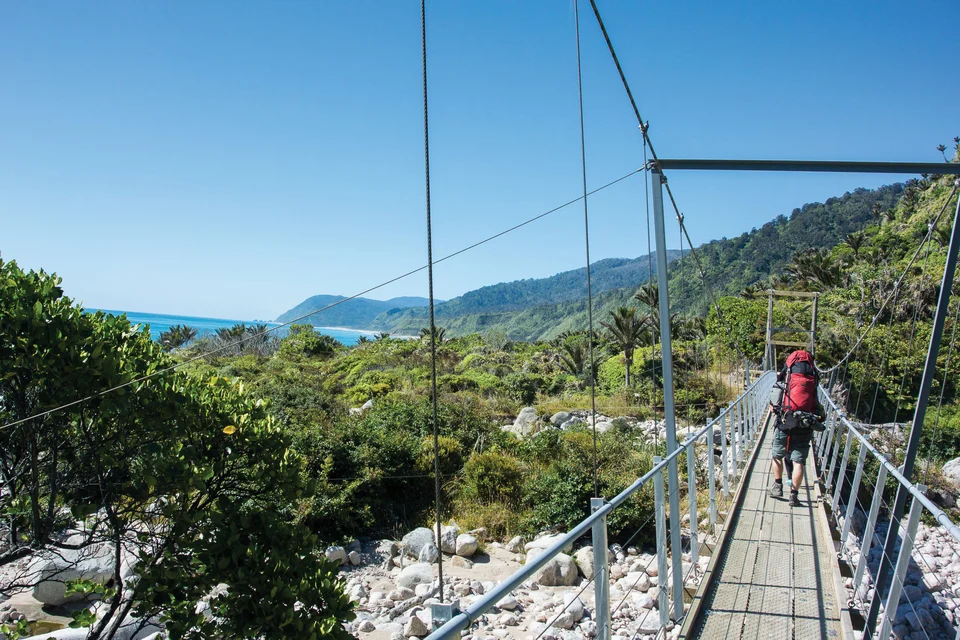
Image courtesy of Nelson Tasman Tourism
7. Aoraki/Mount Cook National Park: Central South Island
Home to New Zealand’s tallest mountain, Aoraki, this alpine wonderland features glaciers, rugged peaks, and stargazing within the Aoraki Mackenzie Dark Sky Reserve. Hike trails ranging from short scenic walks to multi-day alpine adventures, or explore icebergs calved from nearby glaciers by kayak or boat. The striking scenery and crisp alpine air leave a lasting impression, making it a must-visit for photographers, hikers, and nature lovers alike.
Looking to combine several national parks in one journey?
Connecting New Zealand’s national parks takes some careful planning. Driving times, track transport, accommodation, Great Walk bookings and rest days all need to work together, with enough flexibility for alpine weather and changing conditions. We’ve planned countless journeys that bring several parks into one considered itinerary. If you already have particular Great Walks or national parks in mind, speak to our travel design team about a tailor made journey.
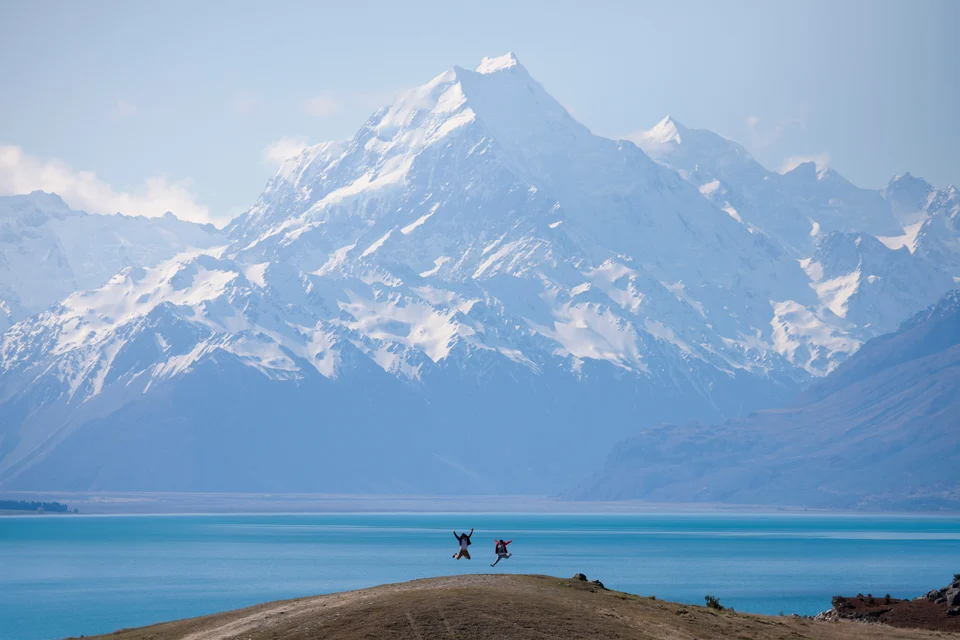
Image courtesy of Tourism New Zealand
8. Arthur’s Pass National Park: Central South Island
Arthur’s Pass is where dramatic alpine ridges meet roaring rivers and waterfalls. Keep an eye out for kea, the cheeky mountain parrots, or hike iconic tracks like Avalanche Peak for jaw-dropping views. This park offers a mix of adventure, wildlife, and serenity, with routes accessible for both casual walkers and seasoned mountaineers. A drive through Arthur’s Pass is a journey in itself, or stay at one of the park's lodges showcasing the grandeur of New Zealand’s Southern Alps.
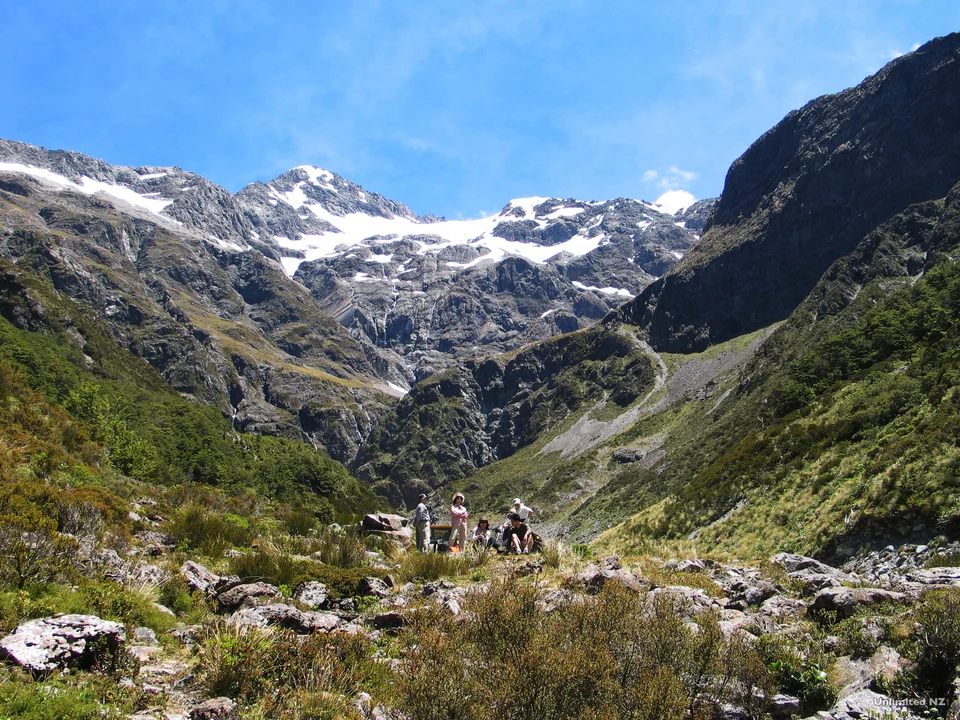
Image courtesy of Tourism New Zealand
9. Paparoa National Park: West Coast
Home to the world-famous Pancake Rocks at Punakaiki, Paparoa National Park in the West Coast is a dramatic mix of coastal rainforest, limestone cliffs, and caves. Walk the Paparoa Track, one of New Zealand’s newest Great Walks, for panoramic mountain-to-sea vistas, or explore hidden caves carved over millennia. The park is a blend of geological wonders, native flora, and the raw power of the Tasman Sea, offering a truly immersive experience for nature lovers.
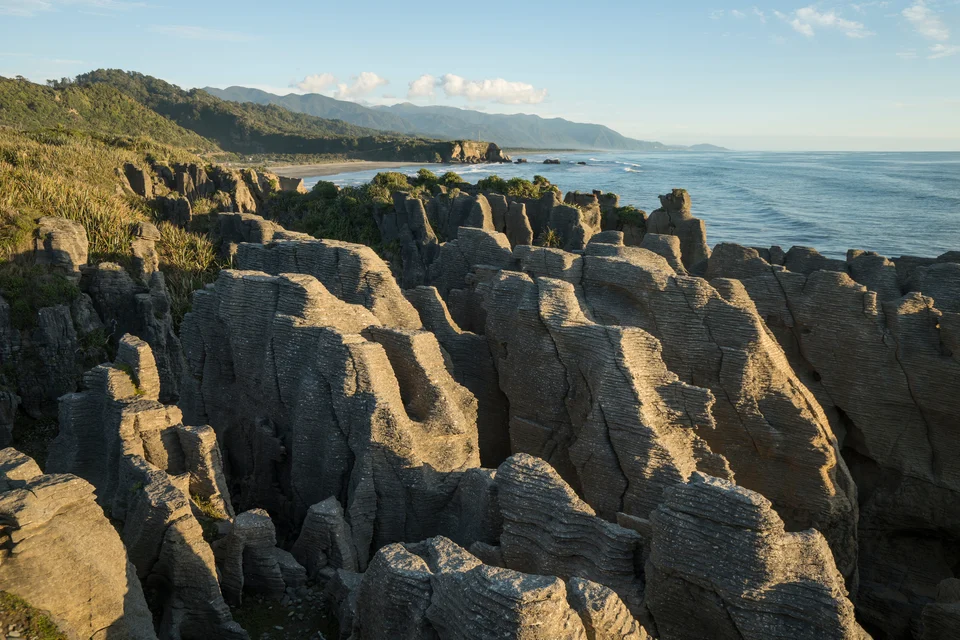
Image courtesy of Nimmo Photography
10. Westland Tai Poutini National Park: West Coast
A landscape of extremes where dense rainforests meet ancient glaciers. Explore the Franz Josef and Fox Glaciers, take a scenic flight, or visit serene Lake Matheson for its mirror reflections of Aoraki/Mount Cook. The juxtaposition of ice, forest, and mountains makes this park on the West Coast one of New Zealand’s most visually striking destinations.
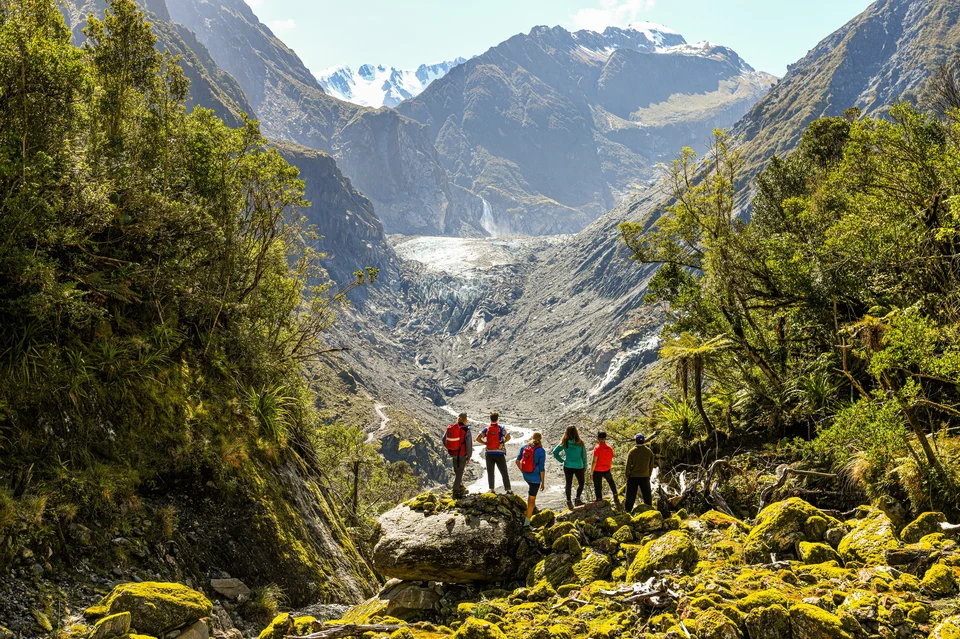
Image courtesy of Fox Glacier Guiding
11. Mount Aspiring National Park: Southern South Island
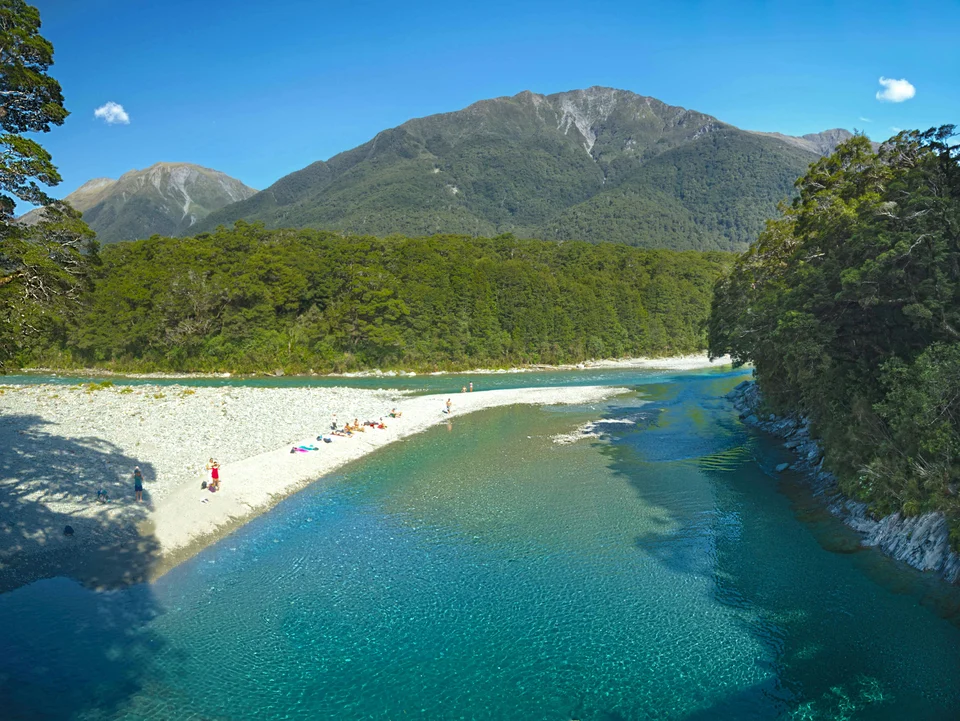
Mount Aspiring National Park is a playground for adventurers, with alpine valleys, glaciers, and soaring peaks. Access the park via Haast Pass, Wānaka, or Glenorchy. Enjoy multi-day hikes like the Routeburn Track, jetboat rides along the Matukituki River, glacier viewing at Rob Roy or the turquoise waters of the Blue Pools.
12. Fiordland National Park: Southern South Island
One of the most spectacular wilderness areas on Earth, Fiordland in Southland is home to 14 fjords, including Piopiotahi/Milford Sound and Patea/Doubtful Sound. Fiordland has the highest concentration of Great Walks of New Zealand in any single park, home to four of the eleven - the Milford, Kepler, part of the Hump Ridge track, and the Routeburn Track. Known as Ata Whenua (The Shadowland) to locals, Fiordland is a place of awe and reflection, where nature's grandeur is humbling and unforgettable.
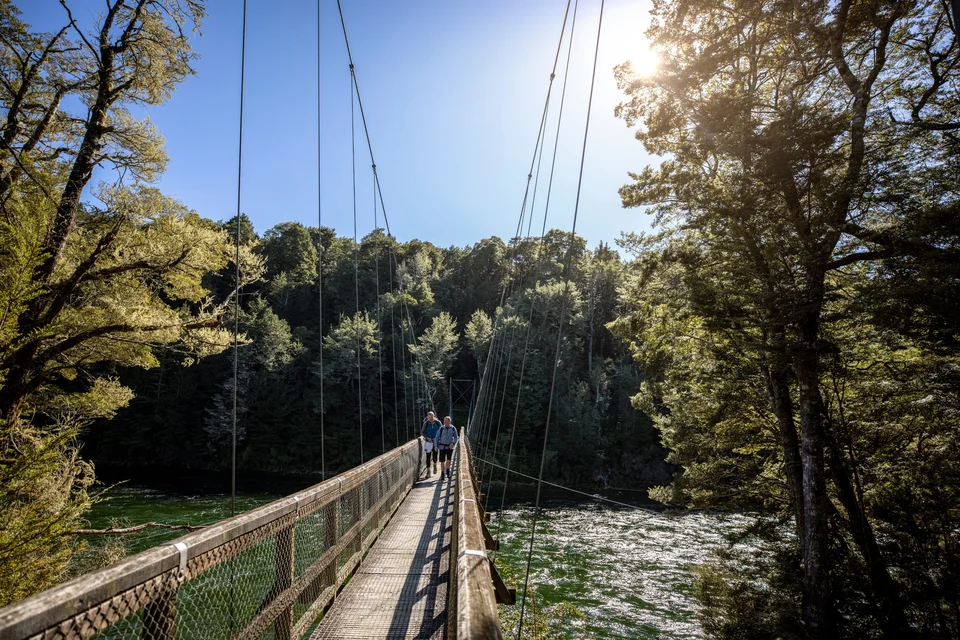
Image courtesy of Tourism New Zealand
13. Rakiura National Park: Stewart Island
Located just off the coast of Southland, 85% of Stewart Island protected as a national park, Rakiura offers untouched beauty and rare wildlife. Walk a Great Walk of New Zealand, the Rakiura Track, spot kiwi in the wild, and experience life in New Zealand’s southernmost sanctuary.
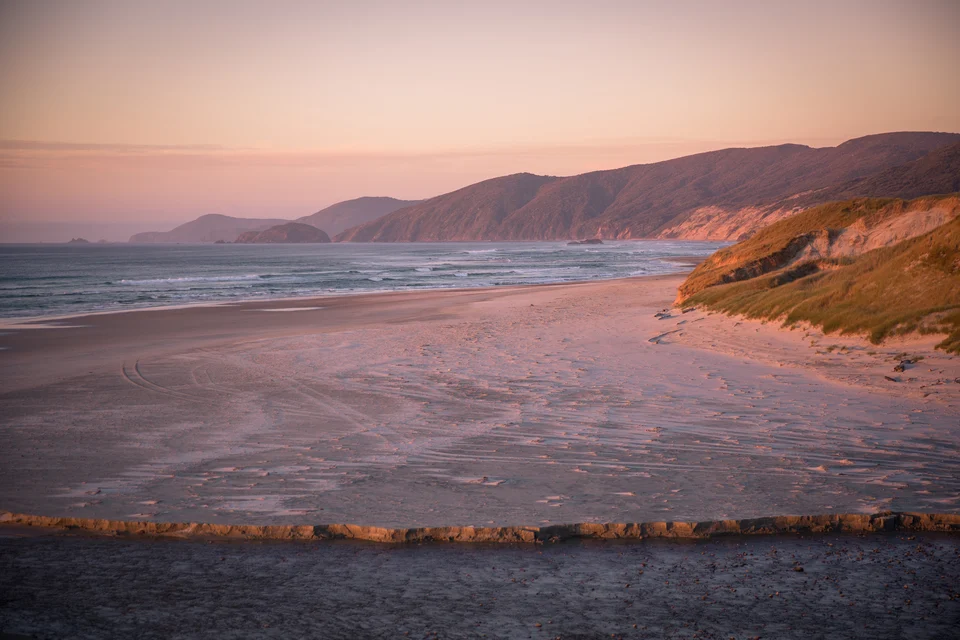
Image courtesy of Liz Carlson
Best National Parks in New Zealand for First-Time Visitors
With 13 national parks spread across both islands, choosing where to begin often comes down to your route and how much time you want to spend outdoors. For a first visit, these four give a particularly good sense of the variety found across New Zealand.
Tongariro National Park: Choose Tongariro for volcanic terrain, Māori cultural significance and some of the North Island’s most distinctive alpine landscapes.
Abel Tasman National Park: An accessible introduction to New Zealand’s coastal wilderness, with golden beaches, native forest and the option to explore on foot or by kayak.
Aoraki/Mount Cook National Park: Come for high alpine scenery, glaciers and walking tracks beneath Aoraki/Mount Cook, New Zealand’s highest mountain.
Fiordland National Park: Fiordland brings together immense mountains, rainforest and deep fiords, including Piopiotahi/Milford Sound and Patea/Doubtful Sound.
Frequently Asked Questions
How many national parks are in New Zealand?
New Zealand has 13 national parks, stretching from Tongariro National Park in the central North Island to Rakiura National Park on Stewart Island. Older sources may list 14 because Te Urewera was formerly a national park; that status changed in 2014 when Te Urewera came under its own legal framework.
What is the oldest national park in New Zealand?
Tongariro National Park is New Zealand’s oldest national park. Its origins date to 1887, when Ngāti Tūwharetoa Ariki Horonuku Te Heuheu Tukino IV enacted a tuku involving the sacred volcanic peaks of Tongariro, Ngāuruhoe and Ruapehu, beginning the process that led to the establishment of New Zealand’s first national park.
Do you need a permit to visit New Zealand national parks?
You generally do not need a permit simply to enter and explore New Zealand’s national parks. Some activities and overnight trips do require advance planning, however. Great Walk huts and campsites can require bookings, particularly during the main walking season, while certain activities may have separate access, safety or concession requirements. More recently, charges for vehicle parking have come in at popular sites like Franz Josef Glacier in Westland and Punakaiki Pancake Rocks in Paparoa. Check current Department of Conservation guidance before setting out.
What should I know before visiting a New Zealand national park?
New Zealand’s weather can change quickly, so always be prepared for the conditions. Pack layers, sunscreen, plenty of water and comfortable, sturdy footwear.
A few other things to know:
- Check the weather and track conditions before setting out.
- Stay on marked tracks and follow any signs or closures.
- Take your rubbish with you: bins can be limited or non-existent.
- Camping is only permitted in designated areas, so check the rules before planning an overnight stay.
- Drones and fires are restricted, so check DOC regulations before using either.
- Mobile coverage can be limited, particularly in remote areas, so ensure maps and music are downloaded before you arrive.
Most importantly, respect the environment, give wildlife plenty of space and leave the park as you found it.
Visit New Zealand's National Parks on a Guided or Self-Drive Journey
Each of New Zealand’s national parks has its own story - whether you’re hiking, kayaking, or simply taking in the view. Our self-drive and guided travel packages make it easy to connect these incredible places into one seamless journey through Aotearoa’s natural heart.
Driving in New Zealand
Best Places to Visit in New Zealand by Travel Style
Flights to New Zealand: Routes, Airlines and Flight Times
New Zealand Wine Regions: The Best to Visit by Variety

Māori Culture in New Zealand: A Guide to Culture & Heritage Tours

Romantic Getaways in New Zealand

10 Hidden Gems & Off-the-Beaten-Path Places to Visit in New Zealand

A Guide to the Best Day Walks in Fiordland National Park

Unique Places to Stay in New Zealand: 11 Extraordinary Stays
