Driving in New Zealand
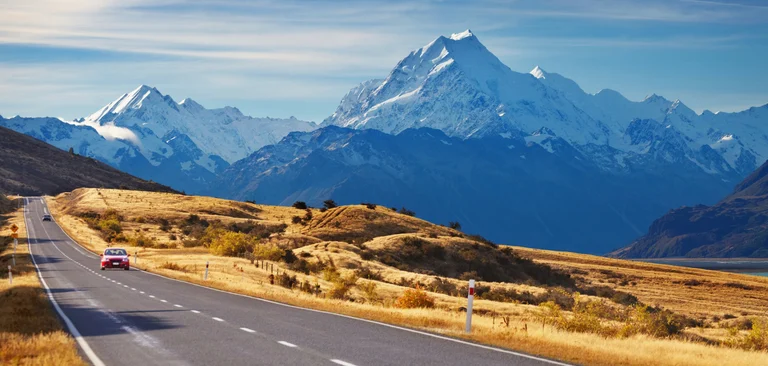
Driving in New Zealand is on the left-hand side of the road, with the driver seated on the right. Visitors can drive for up to 18 months on a valid overseas licence; if it is not in English, you also need a certified translation or an International Driving Permit. Most roads are two-lane, narrow and winding, so journeys take longer than maps suggest. Seat belts are compulsory for everyone and handheld phone use is illegal. This guide covers licence rules, road conditions, what to carry in the car and practical tips for first-time drivers from the US and elsewhere.
Thinking of planning a road trip through Aotearoa? Great! Driving in New Zealand gives you the freedom to explore spectacular landscapes, hidden beaches, alpine roads, and coastal highways at your own pace. But there are a few local rules and quirks you should know, especially if you’re used to different road systems. If you’re still working out how to get here, start with our guide to flights to New Zealand, then read on for what to expect once you collect the keys.
What Side of the Road Does New Zealand Drive On?
New Zealand drives on the left-hand side of the road, and most vehicles have the steering wheel on the right. If you are visiting from a country that drives on the right, such as the United States or Canada, this will be one of the biggest adjustments when you first get behind the wheel.
Take particular care when pulling out of a driveway, leaving a petrol station or car park, and turning at an intersection. These are the moments when it is easiest to instinctively return to the side of the road you are accustomed to driving on. After turning, make a conscious check that you have entered the left side of the road.
On roads with two or more lanes travelling in your direction, keep in the left lane unless you are passing, turning right or traffic conditions require otherwise. Rural New Zealand also has unmarked roads and one-lane bridges, so slow down, read the signs and give yourself time to understand who has right of way.
If you are collecting a rental car shortly after a long-haul flight, consider spending your first night near your arrival city rather than beginning a long drive immediately. Starting rested gives you time to become familiar with the vehicle and left-side driving before tackling New Zealand’s longer rural routes.
US vs New Zealand Driving Rules
For American visitors, the biggest adjustment is driving on the left, but there are several other differences worth knowing before collecting a rental car.
| Road Rule | United States | New Zealand |
| Side of the road | Drive on the right | Drive on the left |
| Driver position | Usually seated on the left | Usually seated on the right |
| Speed limits | Shown in miles per hour (mph) | Shown in kilometres per hour (km/h) |
| Passing | Generally pass on the left on multi-lane roads | Keep left and generally pass on the right |
| Centre lines | Rules and markings vary by state | A solid yellow centre line on your side means you must not cross it to overtake |
| Roundabouts | Give way according to local/state rules; traffic circulates counter-clockwise | Give way to traffic approaching from your right; traffic circulates clockwise |
| Turning at a red light | Right turn on red is permitted in many places unless prohibited | You cannot turn left on a red light unless a green arrow or other signal permits the movement |
| Seat belts | Requirements and enforcement vary by state | Seat belts must be worn by drivers and passengers where fitted |
| Mobile phones | Laws vary by state | Handheld mobile phone use while driving is illegal |
| Road character | Interstate and divided-highway networks are common | Many intercity roads are two-lane, winding and undivided |
| One-lane bridges | Relatively uncommon | Common on some rural and scenic routes; signs show which direction has priority |
| Journey times | Long distances are often covered on high-speed freeways | Distances can take longer than expected because of bends, hills, towns and fewer passing opportunities |
The practical rule to remember is simple: keep left, look right at roundabouts and allow more time for rural journeys than the distance alone might suggest.
Can Americans Drive in New Zealand on a US Licence?
- If you hold a valid overseas driver's licence, you can drive in New Zealand for up to 18 months after you arrive (for a car licence). However, from 1 November 2026 the New Zealand Transport Authority will change this to 12 months from the date you arrived into New Zealand.
- Motorcycle licences from overseas remain valid for 12 months.
- If your licence is not in English, you must also carry a certified English translation or an international driving permit (IDP).
- The licence must be valid and not suspended, and you must carry it (and translation, if always required) when driving.
If you plan to stay longer than 18 months (or 12 months for motorbike licences and 12 months for car licences from 1 November 2026), you’ll need to convert your overseas licence to a New Zealand driver's licence. For more information about licence rules for visitors, visit the New Zealand Transport Authority website.
Image courtesy of Tourism New Zealand
Driving Rules & Road Conditions You Should Know
New Zealand roads are often quite different from those in other countries, especially outside the major cities.
- Drive on the left-hand side of the road, the driver sits on the right-hand side.
- Many roads are narrow, winding, hilly or gravel and travel times may be longer than expected.
- Most roads are two-lane, one in each direction. Passing lanes appear occasionally; overtaking when the centre line is solid yellow is illegal.
- Speed limits and road signage: obey posted limits (often lower than you might expect). New Zealand police take speeding seriously, and exceeding the speed limit can result in hefty fines.
- Seat belts are mandatory for everyone, always. Failure to wear a seatbelt will result in a fine.
- No phone use while driving. New Zealand enforces this; getting caught with your phone while driving will result in a fine.
- Keeping alert to fatigue is essential. Many scenic roads are remote, and driver fatigue is a serious risk in winding terrain.
One-Lane Bridges and Gravel Roads
One-lane bridges are common on rural New Zealand roads. Give-way signs and arrows at each approach show which direction has priority, so slow down early and check for approaching traffic before entering. Even when you have priority, be prepared to stop if another vehicle is already on the bridge.
Gravel roads are also part of driving in more remote areas. Rental vehicle policies vary, and some agreements restrict travel on particular unsealed roads or exclude certain routes from insurance cover. Before heading off the sealed road, check your rental agreement and ask the rental company if you are unsure. On gravel, reduce your speed, increase your following distance and allow more room for braking and cornering.
Image courtesy of Mackenzie Tourism
Prefer Not to Drive in New Zealand?
You can see a great deal of New Zealand without getting behind the wheel. Private transfers, guided touring, rail journeys and domestic flights can be combined into an itinerary that takes care of the connections while leaving you free to enjoy the journey. If you would rather leave the driving to someone else, explore our New Zealand journeys for ideas on travelling around Aotearoa.
Key Things to Bring When Driving in New Zealand
If you’re renting a car or taking a road trip, make sure to:
- Carry your valid overseas licence (plus certified English translation / IDP if required).
- A credit card in your name that matches the name on the booking.
- Always have a physical copy of your licence, digital photos alone will not be accepted.
If you are unsure, it is a good idea to familiarise yourself with the local road rules: you can download or buy the official New Zealand Road Code here. If you're looking for information on what to prepare before your flight, check out our guide.
Why Driving in New Zealand Is Great for Visitors
- Flexibility & Freedom: From coastal highways to remote back‑country roads, a car lets you explore at your own pace, from alpine passes to secluded beaches.
- Generous Licence Rules for Visitors: Up to 18 months driving on many tourist or migrating visas which is generous compared to many other countries (note: this will change to 12 months from 1 November 2026).
- A Safe & Friendly Driving Culture: Seat-belt enforcement, defined speed limits, and clear road signage make for safe road conditions.
- Incredible Scenery: New Zealand’s compact size means you can drive from beaches to mountains in a day: good roads + great views = unforgettable road trips.
Image courtesy of Tourism New Zealand
Useful Tips for International Drivers
| Tip | Why it matters in New Zealand |
| Keep left, overtake only in passing lanes. | New Zealand's roads are often two-way and narrow, overtaking on blind corners or solid lines is dangerous and illegal. |
| Allow extra travel time. | Hills, curves, gravel roads, and slower speed limits make distances take longer than maps suggest. |
| Have an English licence/translation ready. | Licence checks are strict and enforced. Non-English licences require a valid translation or IDP. |
| Follow seat‑belt and road‑safety laws strictly. | Penalties for non-compliance are serious, and seat‑belts/speeding laws are strictly enforced. |
| Plan for remote driving | Some scenic routes are far from towns: carry water, fuel, and emergency gear, especially in rural and South Island areas like the West Coast. |
Frequently Asked Questions
Is it hard to drive in New Zealand?
Driving in New Zealand is generally straightforward once you are comfortable driving on the left. The main adjustment for international visitors is that roads outside the cities can be narrower and more winding than expected, with hills, one-lane bridges and occasional gravel sections. Allow more time than the distance might suggest, take regular breaks and avoid planning a long drive immediately after an international flight.
Do I need an International Driving Permit in New Zealand?
You do not need an International Driving Permit (IDP) if you have a current and valid overseas driver licence written in English. If your licence is not in English, you must also carry an accurate English translation or an acceptable IDP. An IDP acts as a translation rather than a replacement licence, so you must carry your valid overseas licence as well.
How long does it take to drive from Auckland to Wellington?
Driving from Auckland to Wellington takes approximately eight hours without substantial stops, covering roughly 640 kilometres through the North Island. In practice, allow longer for meal breaks, fuel and sightseeing along the way. If your itinerary permits, breaking the journey overnight around the central North Island makes for a more comfortable trip and gives you time to explore places such as Taupō or Tongariro National Park.
Plan a Self-Drive Journey in New Zealand
Whether you are road tripping the South Island’s fjords, exploring the North Island coastline, or seeking remote drives through alpine passes, driving in New Zealand can be one of the most rewarding ways to travel. If you bring your valid driver’s licence, credit card, follow the road rules, and drive carefully, the open roads are yours.
Let us help you design a self-drive itinerary that matches your travel style, from relaxed coastal cruises to epic alpine journeys.
Best Places to Visit in New Zealand by Travel Style
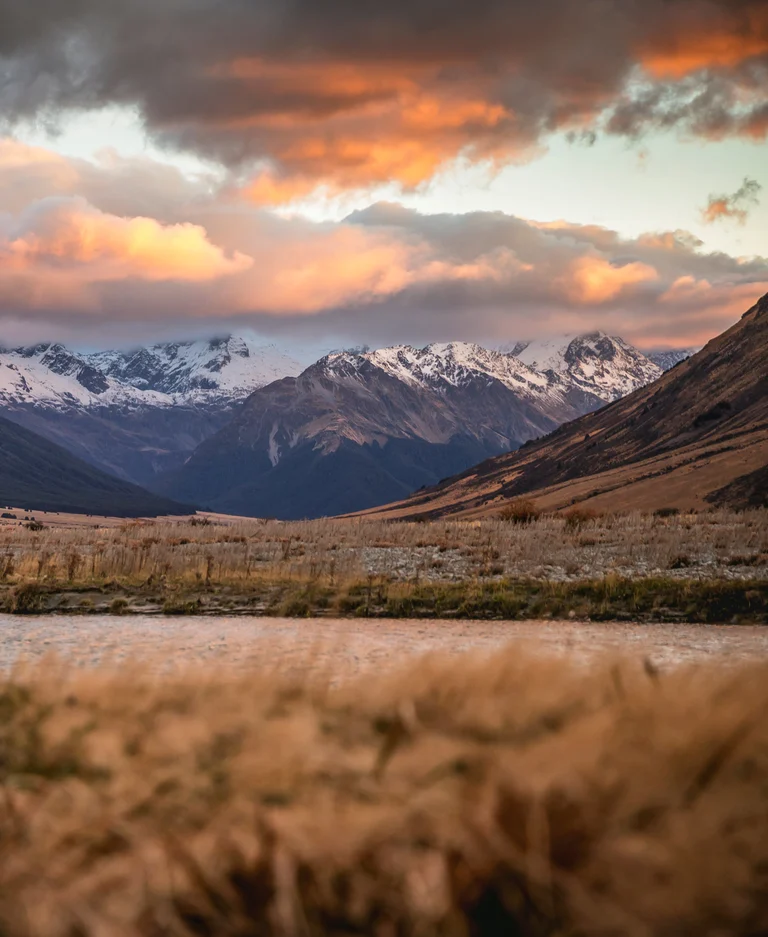
Flights to New Zealand: Routes, Airlines and Flight Times

New Zealand Wine Regions: The Best to Visit by Variety
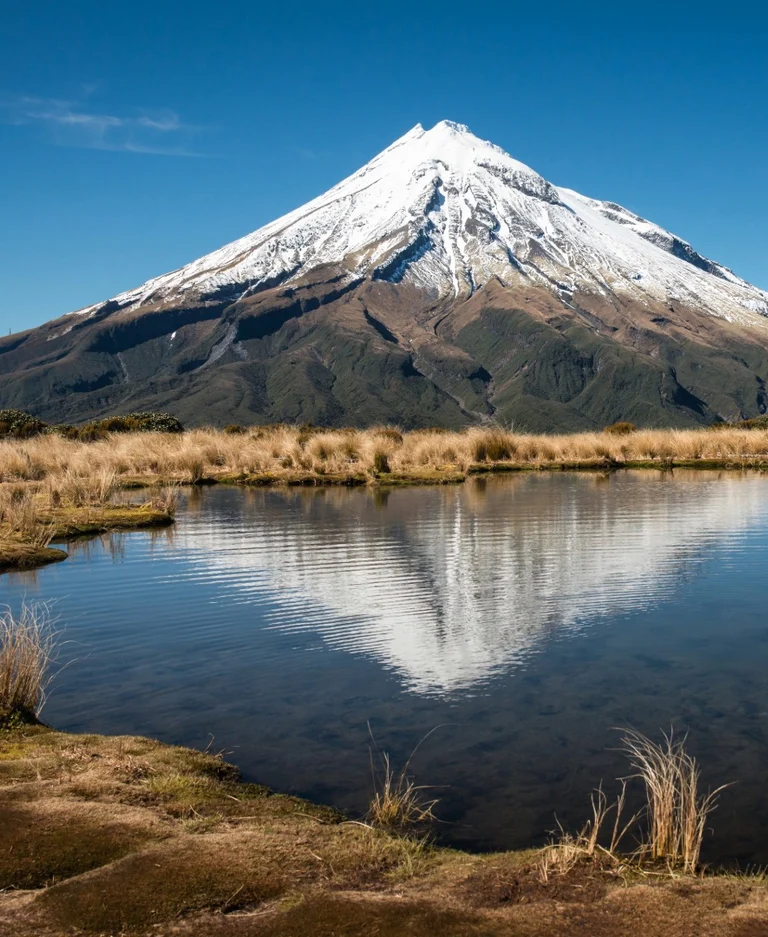
New Zealand National Parks: A Guide to All 13

Māori Culture in New Zealand: A Guide to Culture & Heritage Tours

Romantic Getaways in New Zealand

10 Hidden Gems & Off-the-Beaten-Path Places to Visit in New Zealand

A Guide to the Best Day Walks in Fiordland National Park

Unique Places to Stay in New Zealand: 11 Extraordinary Stays
