Best Time to Visit New Zealand: A Month-by-Month Guide
Article Overview
The best time to visit New Zealand is December to March for warm, settled summer weather, beaches and hiking, or June to September for skiing and winter scenery. For fewer crowds and better value, travel in the shoulder months of May and October. Because New Zealand is in the Southern Hemisphere, its seasons are the reverse of North America's: summer runs December to February and winter June to August. This month-by-month guide covers the weather, festivals, wildlife and travel conditions in each month, so you can match your dates to the experiences you want.
Choosing the best month to visit New Zealand can be tricky because every season offers something different: sunshine, snow, wildlife, wine, festivals, or quiet escapes. This simple month-by-month guide will help you understand what each part of the year brings so you can plan your perfect trip to Aotearoa.
When Is the Best Time to Visit New Zealand?
It depends on your travel style:
- Beaches and sunshine: December to March
- Hiking and warm-but-comfortable weather: February to April
- Snow, skiing, and winter scenery: June to September
- Spring colours and wildlife: September to November
- Great value and fewer crowds: May and October
No matter when you arrive, New Zealand delivers world-class scenery, welcoming locals, and unforgettable experiences in every season.
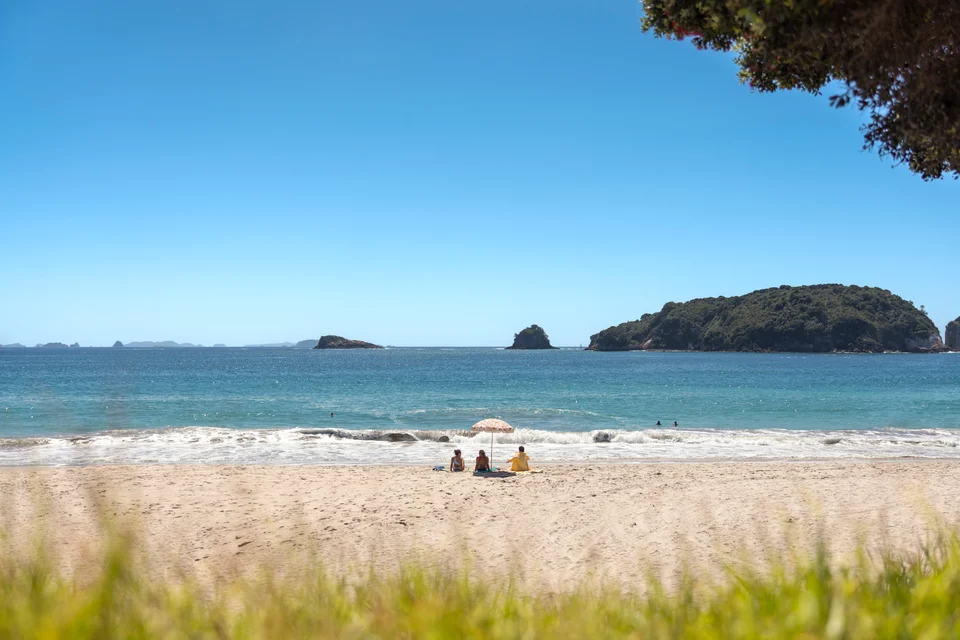
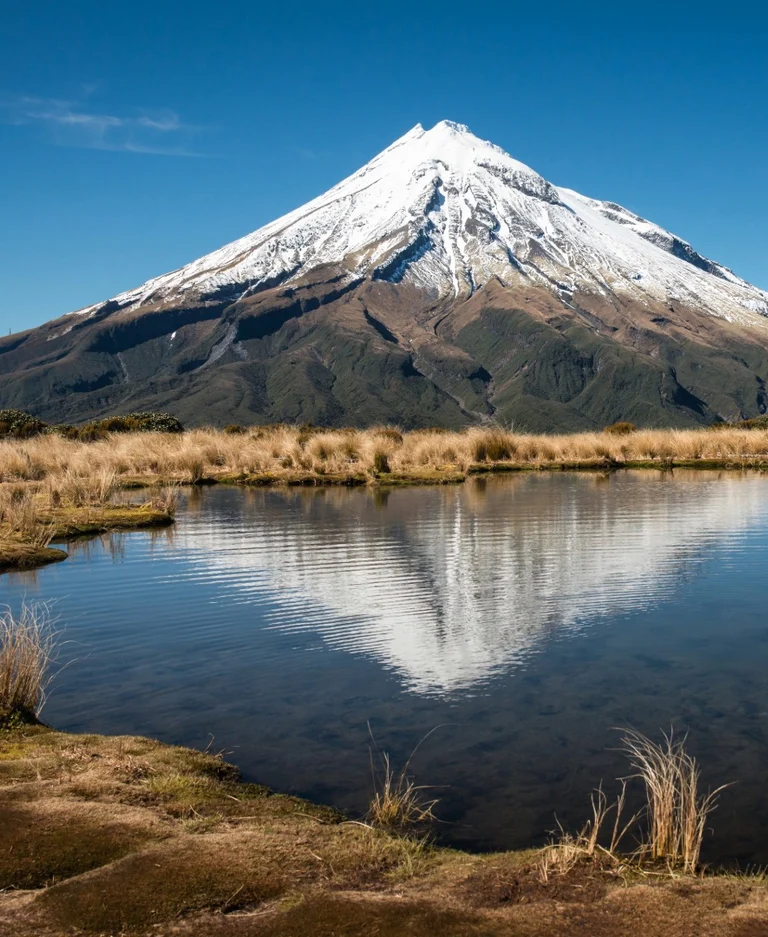
Image courtesy of Tourism New Zealand
New Zealand Seasons Explained
New Zealand is in the Southern Hemisphere, so its seasons are reversed from North America: summer falls from December to February, while winter runs from June to August.
Summer: December to February
New Zealand’s warmest months bring long daylight hours and the busiest period for beaches, hiking and road trips. January is particularly popular with New Zealanders taking their own summer holidays, so accommodation in coastal and resort destinations can book well ahead.
Autumn: March to May
Temperatures gradually cool through autumn, although March can still feel distinctly summery in many parts of the country. April and May bring stronger autumn colour to places such as Arrowtown and Central Otago, along with fewer visitors outside school and public holiday periods.
Winter: June to August
Winter brings snow to the mountains and the main ski season to alpine areas around Queenstown, Wānaka, Canterbury and the central North Island. Conditions are generally milder at lower elevations, particularly in northern regions, while the South Island experiences colder mornings and shorter daylight hours.
Spring: September to November
Days lengthen and temperatures rise through spring, with highly changeable weather still possible. Snow can remain in alpine areas well into the season, while lower elevations see blossom, spring growth and increased wildlife activity as summer approaches.
Once you have settled on a season, our New Zealand packing checklist covers what to bring for the conditions you are likely to encounter.
New Zealand Weather by Month
New Zealand’s weather varies considerably between the subtropical north, alpine interior and cooler south. Auckland and Queenstown give a useful indication of that range, but conditions can be very different on the West Coast, in the mountains and along the east coast of both islands.
| Month | Season | Avg High Auckland | Avg High Queenstown | Rainfall | Crowds | Best For |
| January | Summer | 24°C | 23°C | Generally lower, but rain possible | Very high | Beaches, hiking, road trips |
| February | Summer | 24°C | 23°C | Generally lower | High | Hiking, cycling, wine regions |
| March | Autumn | 23°C | 20°C | Variable | Moderate | Hiking, touring, wine regions |
| April | Autumn | 20°C | 16°C | Variable | Moderate | Autumn colour, hiking, road trips |
| May | Autumn | 18°C | 12°C | Wetter in many northern areas | Low | Lower crowds, food and wine, scenic touring |
| June | Winter | 16°C | 9°C | Wetter in the north, snow possible at altitude | Low to moderate | Early skiing, stargazing, winter scenery |
| July | Winter | 15°C | 8°C | Winter rain and alpine snow | High in ski regions | Skiing, snowboarding, hot pools |
| August | Winter | 15°C | 10°C | Winter rain and alpine snow | Moderate to high in ski regions | Skiing, alpine scenery |
| September | Spring | 16°C | 14°C | Changeable | Moderate | Spring landscapes, skiing, wildlife |
| October | Spring | 18°C | 16°C | Changeable, often windy | Moderate | Hiking, wildlife, shoulder-season travel |
| November | Spring | 20°C | 19°C | Variable | Moderate | Hiking, gardens, longer days |
| December | Summer | 22°C | 21°C | Variable | High, especially late month | Beaches, hiking, summer road trips |
Average daily high temperatures are rounded long-term climate figures. Rainfall descriptions are deliberately general because New Zealand has strong regional variation. Auckland, for example, typically has a winter rainfall maximum, while rainfall patterns elsewhere differ considerably. Climate data source: Earth Sciences New Zealand, formerly NIWA. Crowd levels and “Best For” recommendations are Touring New Zealand editorial guidance rather than climate data.
Not Sure Which Month Works Best for Your Trip?
Tell us when you’re planning to travel and what you want to experience, and we can match your dates with a journey that makes sense for the season. We’ll consider regional weather, driving conditions, seasonal experiences and the pace of travel when bringing the itinerary together.
Plan a tailor made New Zealand journey
January: Peak Summer and Classic Kiwi Holidays
January is full New Zealand summer, with typical daytime temperatures around 20 to 25°C (68 to 77°F) in many of the main visitor regions, although inland areas can be hotter. Long days suit beaches, swimming, hiking and road trips. It is peak season and the main Kiwi summer holiday period, so book accommodation and key experiences well ahead.
February: Warm Weather and Outdoor Adventures
February remains warm, with typical daytime temperatures around 20 to 25°C (68 to 77°F) across many destinations. Conditions are well suited to cycling, sailing, winery visits and beach days, and summer crowds begin to ease later in the month. Napier also hosts its annual Art Deco Festival in February.
March: Long Warm Days and Perfect Hiking Weather
March marks the beginning of autumn, but typical daytime temperatures of around 18 to 24°C (64 to 75°F) mean much of the country can still feel summery. Cooler evenings and easing visitor numbers make this a particularly good month for hiking, scenic touring and road trips.
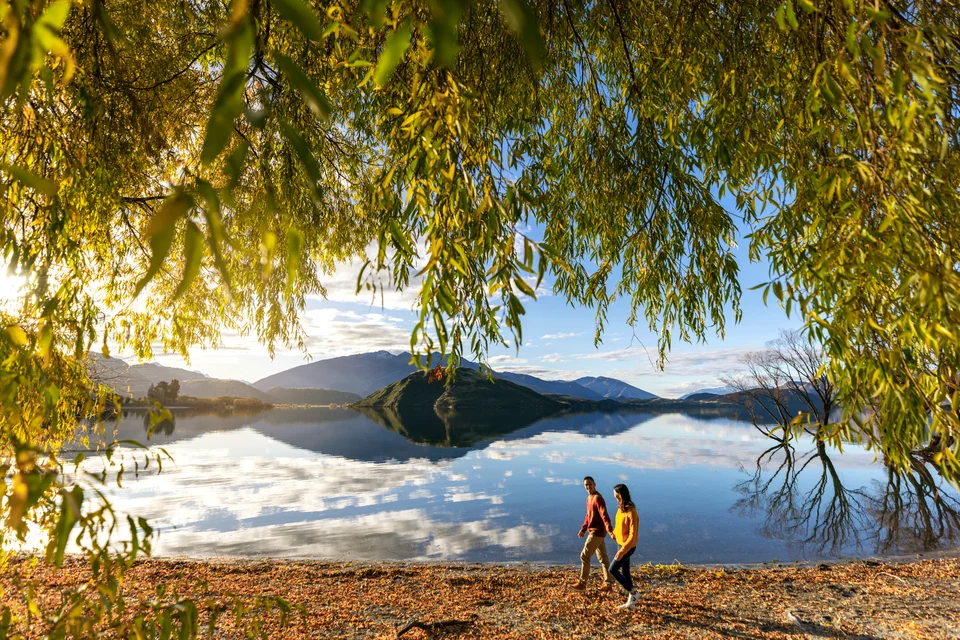
Image courtesy of Tourism New Zealand
April: Autumn Colours and School Holiday Energy
April brings typical daytime temperatures of around 15 to 21°C (59 to 70°F), with increasingly cool mornings and evenings, particularly in the South Island. Autumn colour becomes prominent around Central Otago, including Arrowtown, which hosts its annual autumn festival. New Zealand school holidays and Easter can create short periods of higher demand.
May: Quiet Travel and Great Value
By May, typical daytime temperatures sit around 12 to 18°C (54 to 64°F), with colder conditions in inland and alpine areas. Visitor numbers are generally lower, making this a useful month for scenic touring, food and wine experiences, and travellers who prefer a slower pace between the summer and ski seasons.
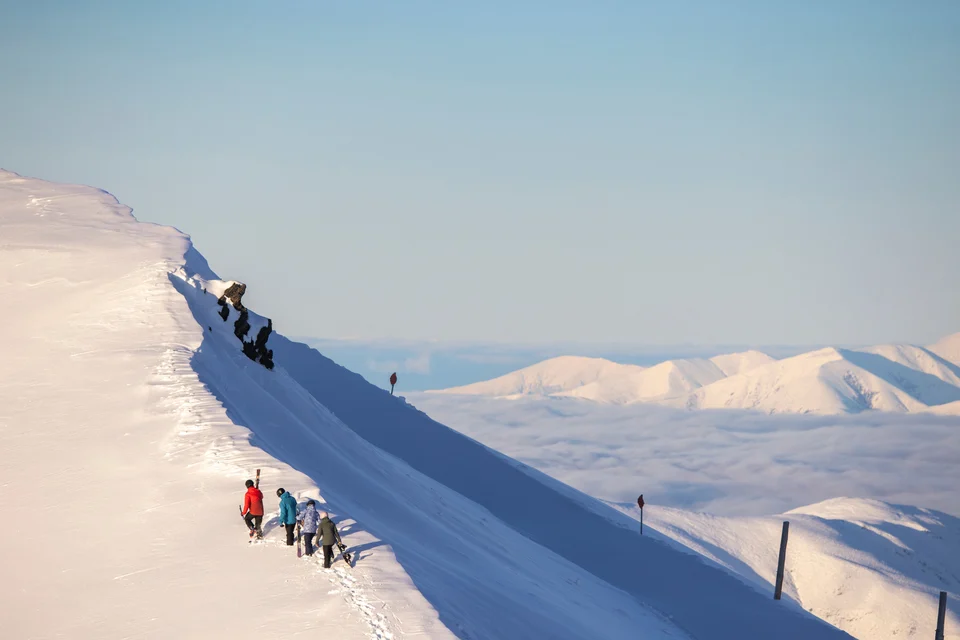
Image courtesy of Tourism New Zealand
June: Ski Season Begins and Winter Skies
June brings winter, with typical daytime temperatures around 8 to 16°C (46 to 61°F) depending on latitude and elevation. Ski fields begin opening as snow conditions allow, while longer nights provide excellent opportunities for stargazing around Lake Tekapō and the wider Aoraki Mackenzie region.
July: Skiing, Hot Springs, and Winter Adventures
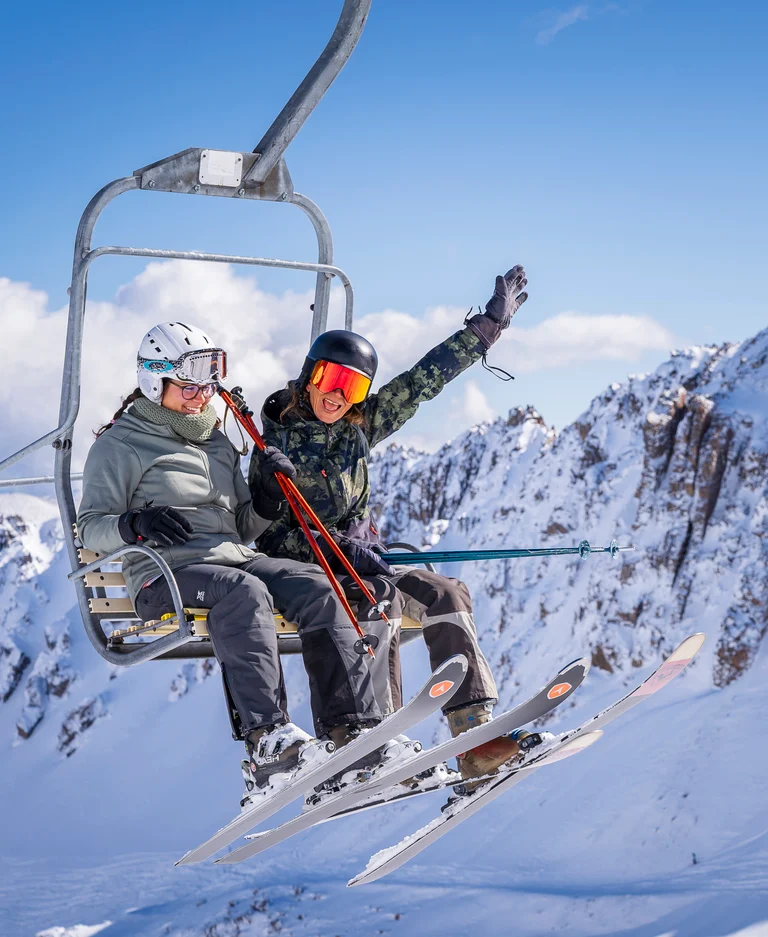
July is midwinter, with typical daytime temperatures around 7 to 15°C (45 to 59°F) and substantially colder conditions in alpine areas. Skiing and snowboarding are major draws around Queenstown, Wānaka, Canterbury and the central North Island. New Zealand school holidays make ski towns particularly busy for part of the month. If you're considering skiing, explore our Where to Ski in New Zealand Guide.
August: Cosy Stays and Snow Season
August remains firmly in winter, with typical daytime temperatures around 8 to 16°C (46 to 61°F). Ski areas are generally well into their operating seasons, although snow conditions always vary by year and mountain. It is a good time to combine alpine scenery with hot pools, lodge stays and winter activities for a cosy winter escape.
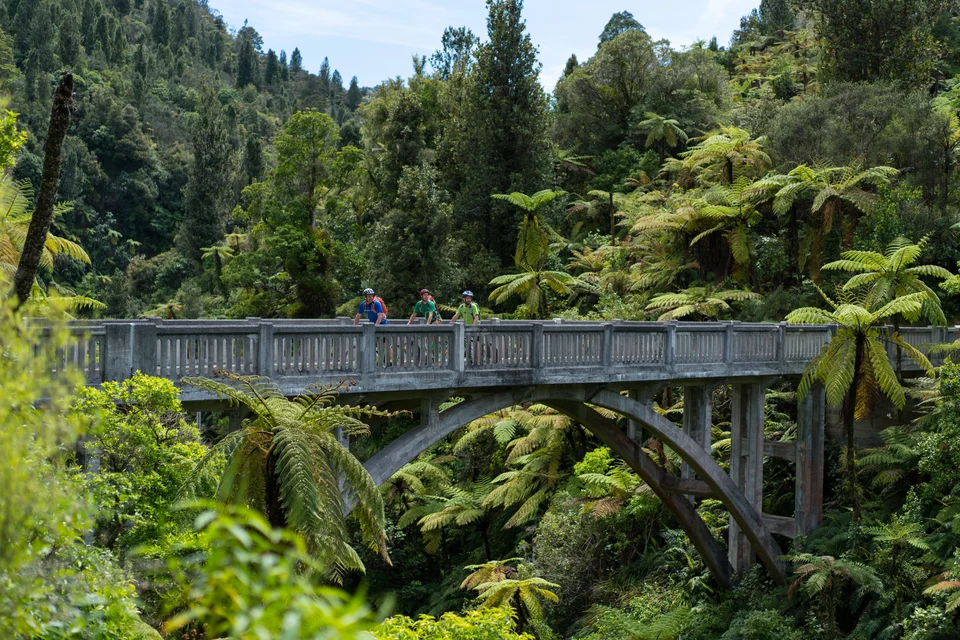
Image courtesy of Tourism New Zealand
September: Spring Blooms, New Life and Longer Days
September marks the beginning of spring, with typical daytime temperatures around 11 to 17°C (52 to 63°F). Conditions remain changeable and snow can linger in the mountains, while lower elevations begin to see blossom and new growth. Lambing season is underway in rural areas, and Wellington traditionally hosts the World of WearableArt show around this time of year, continuing into October.
October: Wildlife, Early Warmth and Shoulder-Season Deals
October brings typical daytime temperatures around 13 to 19°C (55 to 66°F), although spring weather can move rapidly between warm sunshine, rain and cooler spells. Longer daylight hours makes getting around easier, while visitor numbers generally remain below the summer peak. It is a useful month for wildlife, gardens and lower-elevation walking.
November: Early Summer and Lupin Season
November has typical daytime temperatures around 16 to 21°C (61 to 70°F), with increasingly long evenings as summer approaches. Hiking conditions improve across many regions, while lupins begin flowering in parts of the central and lower South Island. Christchurch’s Cup and Show Week is traditionally held during November.
December: A Kiwi Christmas and Full Summer Magic
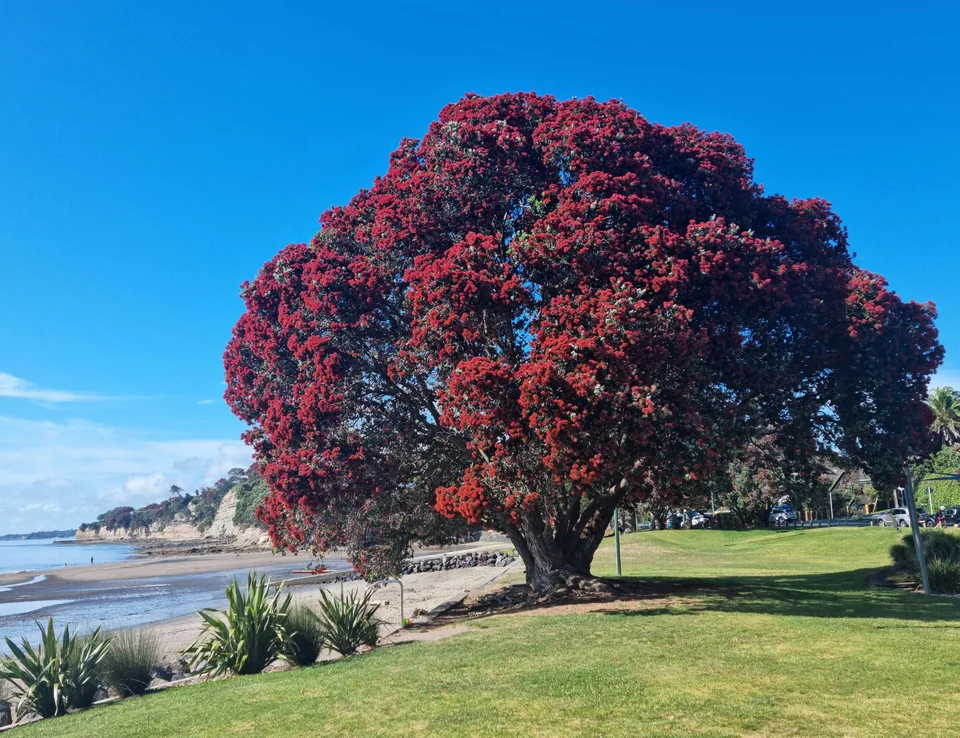
December begins summer, with typical daytime temperatures around 18 to 24°C (64 to 75°F) across many of the main visitor regions. Long evenings, warmer weather and the approach of Christmas make it increasingly popular for beaches, hiking and road trips, with demand rising sharply later in the month. In the North Island, pōhutukawa typically flower around this time, producing the red blooms associated with the New Zealand Christmas.
Frequently Asked Questions
What is the cheapest time to visit New Zealand?
May and October are often among the better-value times to visit New Zealand, sitting outside the main summer and ski-season peaks. Accommodation and rental vehicle availability can be better during these shoulder months, although prices rise around school holidays, public holidays and major events. International airfares vary considerably by departure city, so booking dates can matter as much as the month you travel.
What is the rainiest month in New Zealand?
There is no single rainiest month for all of New Zealand because rainfall patterns vary significantly by region. Auckland tends to be wetter during winter, while the South Island’s West Coast receives substantial rainfall throughout the year. Mountain ranges also create strong local differences, so conditions in places only a few hours apart can be very different. It is better to check the climate for the regions on your itinerary than plan around a national rainfall average.
Is two weeks enough for New Zealand?
Two weeks is enough for a rewarding New Zealand trip, provided you are selective about where you go. Rather than trying to cover both islands end to end, focus on one island or combine a small number of regions using a domestic flight where it saves significant driving time. Around 14 days gives you enough scope for several key destinations while still allowing time for walks, experiences and the occasional slower day.
Plan Your Trip Around the Right Season
If you want help choosing the best month to visit New Zealand based on your interests, we can tailor your itinerary or recommend one of our curated travel packages. Your perfect New Zealand vacation starts with the right season for your travel style.
Skiing in New Zealand: Where to Ski, Top Resorts and Hidden Gems

Hiking in New Zealand: Your Complete Guide
Driving in New Zealand
Best Places to Visit in New Zealand by Travel Style
Flights to New Zealand: Routes, Airlines and Flight Times
Top 10 Things to Do in New Zealand: North and South Island
New Zealand Wine Regions: The Best to Visit by Variety
New Zealand National Parks: A Guide to All 13

New Zealand Packing List: What to Pack for Every Season
