Skiing in New Zealand: Where to Ski, Top Resorts and Hidden Gems
Article Overview
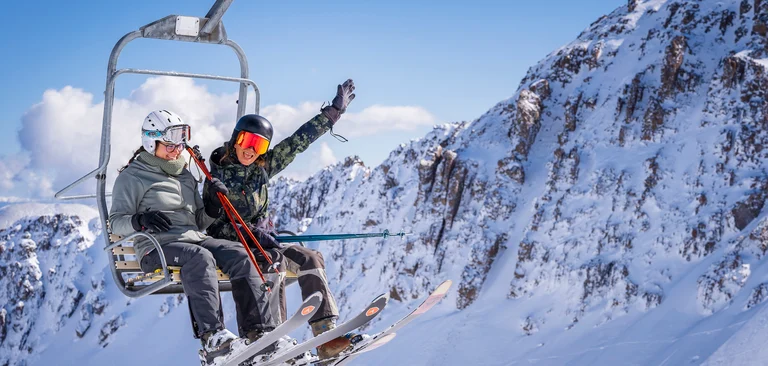
Skiing in New Zealand runs from mid-June to mid-October, with the most reliable snow from late July to early September. Most skiing is in the South Island's Southern Alps: Queenstown for Coronet Peak and The Remarkables, Wānaka for Cardrona and Treble Cone, Mt Hutt near Christchurch, and quieter fields such as Ōhau, Roundhill and Mt Dobson along the Mackenzie Basin. The North Island has Whakapapa and Tūroa on Mt Ruapehu. Ski fields sit above the tree line and are reached by access road, so most visitors stay in nearby towns. This guide compares each area and covers heli-skiing, packing and what to expect.
New Zealand Ski Areas at a Glance
New Zealand ski fields are generally separate from the towns where visitors stay, so choosing the right base matters. This comparison covers the main commercial fields in the article along with several smaller South Island ski areas.
| Ski Area | Region | Nearest Town | Best For | Terrain | Distance from Town |
| Whakapapa | Central North Island | National Park Village | Mixed abilities, volcanic skiing | Beginner to advanced volcanic terrain | Approx. 25 km |
| Tūroa | Central North Island | Ohakune | Intermediate and advanced skiers | Long runs, natural volcanic terrain | Approx. 20 km |
| Coronet Peak | Queenstown | Queenstown | Beginners, intermediates, night skiing | Groomed runs, open bowls | Approx. 16 km |
| The Remarkables | Queenstown | Queenstown | Beginners, families, freestyle | Groomed runs, bowls, terrain parks | Approx. 24 km |
| Cardrona Alpine Resort | Wānaka / Queenstown | Wānaka | Families, mixed abilities, freestyle | Wide groomers, bowls, terrain parks | Approx. 35 km |
| Treble Cone | Wānaka | Wānaka | Intermediate and advanced skiers | Steeper slopes, bowls, off-piste terrain | Approx. 30 km |
| Ōhau Snow Fields | Mackenzie / Waitaki | Lake Ōhau | Smaller-field atmosphere, mixed abilities | Open slopes, bowls, off-piste terrain | Approx. 40 km from Twizel |
| Roundhill Ski Area | Mackenzie | Lake Tekapo | Families, beginners, advanced skiers | Gentle learner terrain to steep advanced runs | Approx. 32 km |
| Mt Dobson | Mackenzie | Lake Tekapo | Families, beginners and intermediates | Broad open slopes, groomed runs | Approx. 45 km |
| Mt Hutt | Canterbury | Methven | Mixed abilities, larger ski area | Groomed trails, open terrain, advanced slopes | Approx. 30 km |
| Porters | Canterbury | Springfield | Families, day trips from Christchurch | Beginner slopes to advanced terrain | Approx. 45 km |
| Craigieburn Valley | Canterbury | Castle Hill | Experienced skiers, club-field experience | Steep, ungroomed terrain | Approx. 25 km |
| Temple Basin | Arthur’s Pass | Arthur’s Pass Village | Advanced skiers, backcountry-style terrain | Natural alpine terrain, rope tows | Approx. 5 km to access point, followed by uphill walk |
| Mt Lyford | North Canterbury | Waiau | Families, smaller-field skiing | Mixed groomed and natural terrain | Approx. 60 km |
| Mt Cheeseman | Canterbury | Castle Hill | Families, club-field experience | Groomed and natural terrain | Approx. 30 km |
| Rainbow Ski Area | Nelson Lakes | St Arnaud | Families, upper South Island trips | Groomed slopes and natural terrain | Approx. 35 km |
Distances are approximate road distances from the listed base town to the ski-area access or base area. Mountain roads can be unsealed, steep or affected by snow and ice, so driving times vary with conditions. Always check the ski area's current road report and chain requirements before setting out.
Want to turn a few days on the mountain into a wider winter itinerary? Explore our New Zealand Winter Escapes, which combine skiing with accommodation, transport and experiences beyond the slopes.
Best Ski Resorts in New Zealand by Travel Style
The best ski destination depends on your travel style:
- Queenstown: Vibrant, social, and action-packed
- Wānaka: Relaxed, scenic, and refined
- Mackenzie Basin: Quiet, authentic, and locally loved
- Mt Hutt / Methven: Ideal for families and close to Christchurch
New Zealand is world-famous for its golden beaches, dramatic coastlines, and long summer days but when winter arrives, Aotearoa transforms into one of the Southern Hemisphere’s most rewarding ski destinations.
Stretching the length of the South Island, the Southern Alps capture reliable snowfall and create a spectacular alpine playground for skiers and snowboarders alike. While Queenstown and Wānaka are the best-known ski towns, home to Coronet Peak, The Remarkables, Cardrona Alpine Resort and Treble Cone, locals know that some of the most authentic experiences lie beyond them with the smaller, character-filled club ski fields or “clubbies” to locals.
Within the Mackenzie Basin, you’ll find ski areas like Ōhau, Roundhill, and Mt Dobson, alongside Mt Hutt rising above the Canterbury Plains. Head further north and the experience becomes more bespoke, with smaller, locally loved fields such as Porters, Temple Basin, and Craigieburn in Arthur’s Pass, as well as Mt Lyford, Mt Cheeseman, Hanmer Springs, and Rainbow near the top of the South Island.
Skiing isn’t limited to the South Island either, the North Island offers volcanic terrain at Whakapapa and Tūroa in Tongariro National Park, while Auckland is even home to its own indoor ski slope, Snowplanet.
When Is the New Zealand Ski Season?
The New Zealand ski season typically runs from mid-June through to mid-October, with the most reliable snow generally falling between late July and early September. Conditions vary between regions and from one winter to the next, so timing matters if skiing is a priority. Our month-by-month guide to visiting New Zealand provides a broader look at weather, seasonal conditions and what to expect throughout the year.
- Queenstown & Wānaka: Longest and most consistent seasons
- Club ski fields: Usually open late June to mid-September (snow dependent)
- North Island (Mt Ruapehu): Similar timing, but more variable conditions
One of the biggest advantages of skiing in New Zealand is that many iconic experiences operate year-round. Winter brings fewer crowds, crisp alpine air, and snow-covered landscapes, making it a uniquely rewarding time to visit.
Season dates checked 2026: Ski-field opening and closing dates vary each winter and remain dependent on snow, weather and mountain conditions. Check individual ski-area websites for current operating dates before travelling.
Skiing in Wānaka: Cardrona and Treble Cone
Courtesy of Cardrona Alpine Resort
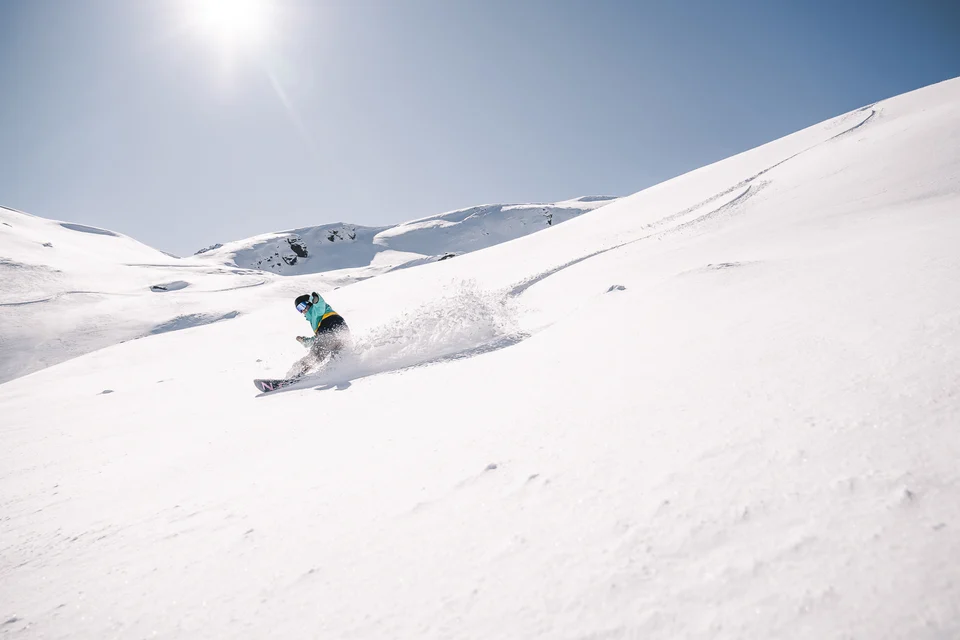
Wānaka offers a relaxed base for skiing Cardrona and Treble Cone, with the lakefront town around 30 to 35 kilometres from the two ski areas. There is plenty to do away from the slopes too, making it particularly well suited to travellers building skiing into a longer Otago journey.
- Home to Cardrona Alpine Resort, New Zealand’s largest ski area
- Access to Treble Cone, known for its advanced terrain and breathtaking views
- Laid-back après-ski atmosphere with lakefront dining and cosy evenings
- Unwind is a post-ski sauna on the shores of Lake Wānaka or Hawea.
Skiing in Queenstown: Coronet Peak and The Remarkables
Coronet Peak - Courtesy of Destination Queenstown
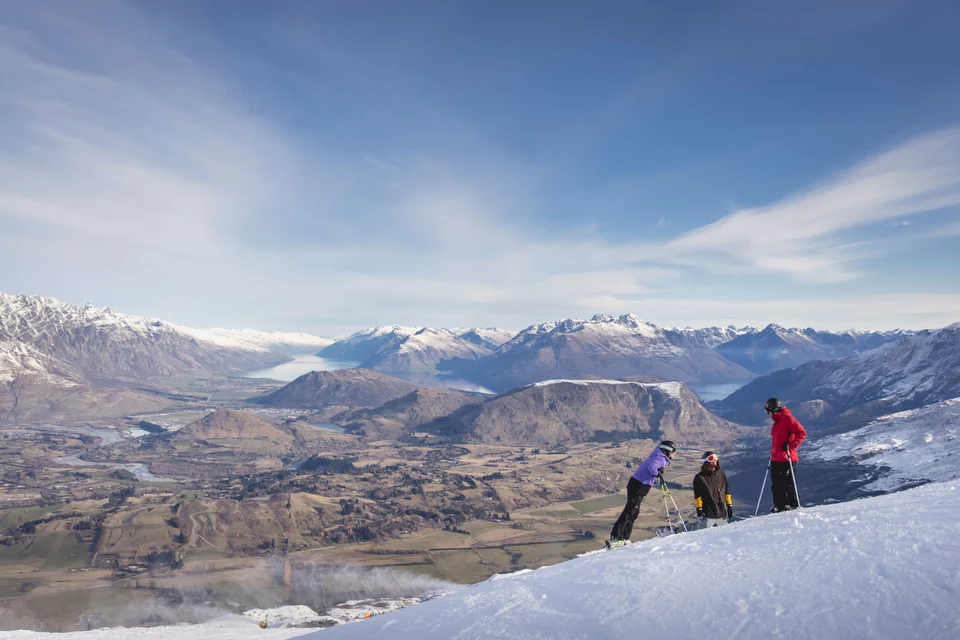
Queenstown is New Zealand’s alpine playground, combining skiing with vibrant nightlife and world-class dining.
- Ski Coronet Peak and The Remarkables, both within easy reach of town
- Bustling winter village atmosphere with lively après-ski
- Wide range of off-mountain activities including snowmobiling and heli-skiing
- Access to explore the snow capped peaks of Piopiotahi/Milford Sound
Skiing in the North Island: Mt Ruapehu
Mt Ruapehu provides the North Island’s main outdoor skiing, with Whakapapa and Tūroa offering volcanic terrain within Tongariro National Park. Conditions here can be more variable than in the Southern Alps, so it pays to keep some flexibility in your itinerary and check snow, weather and road conditions before heading up the mountain.
Whakapapa
On the north-western slopes of Mt Ruapehu, Whakapapa offers terrain for a range of abilities, with wide volcanic slopes and extensive views across the central North Island. Most visitors base themselves around National Park Village, Whakapapa Village or nearby towns and travel to the ski area for the day.
Tūroa
Tūroa sits on the south-western side of Mt Ruapehu and is known for its long runs and natural volcanic terrain. Ohakune is the usual base, giving skiers easy access to accommodation, restaurants and the mountain road.
Auckland option: If you want to get onto skis before heading south, Snowplanet is an indoor snow centre north of Auckland. It is useful for a lesson, a first introduction to skiing or snowboarding, or simply getting your legs moving before a longer ski trip.
Skiing the Snow Highway: Mackenzie Basin Club Fields
For travellers looking beyond the main resort towns, State Highway 8 through the Mackenzie Basin gives access to Ōhau, Roundhill and Mt Dobson, with Mt Hutt reached further east from Methven. This part of Canterbury and the central South Island works particularly well as a road journey, allowing several ski areas to be combined rather than committing to a single base.
Ōhau Ski Field
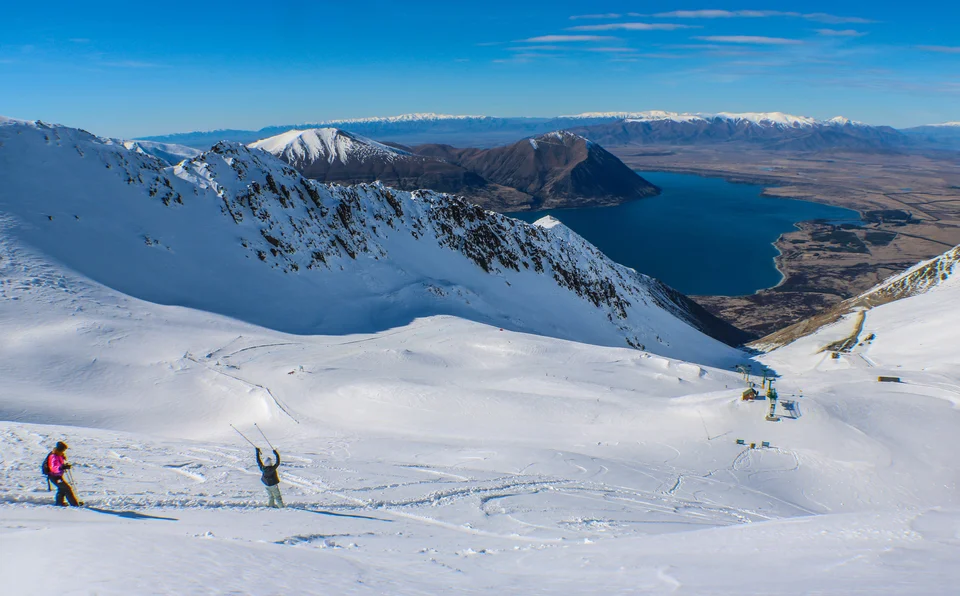
- Panoramic views over Lakes Ōhau, Ruataniwha, and Benmore
- Family-owned ski area with a welcoming alpine lodge for après
- Quiet slopes and a true local feel
Ohau - Courtesy of ChristchurchNZ
Roundhill Ski Area
- Overlooking Lake Tekapo in a UNESCO Dark Sky Reserve
- Ideal for combining skiing with stargazing experiences
- Close to Aoraki / Mount Cook for heli-hiking and heli-skiing
- Nearby winter activities including ice skating and snow tubing
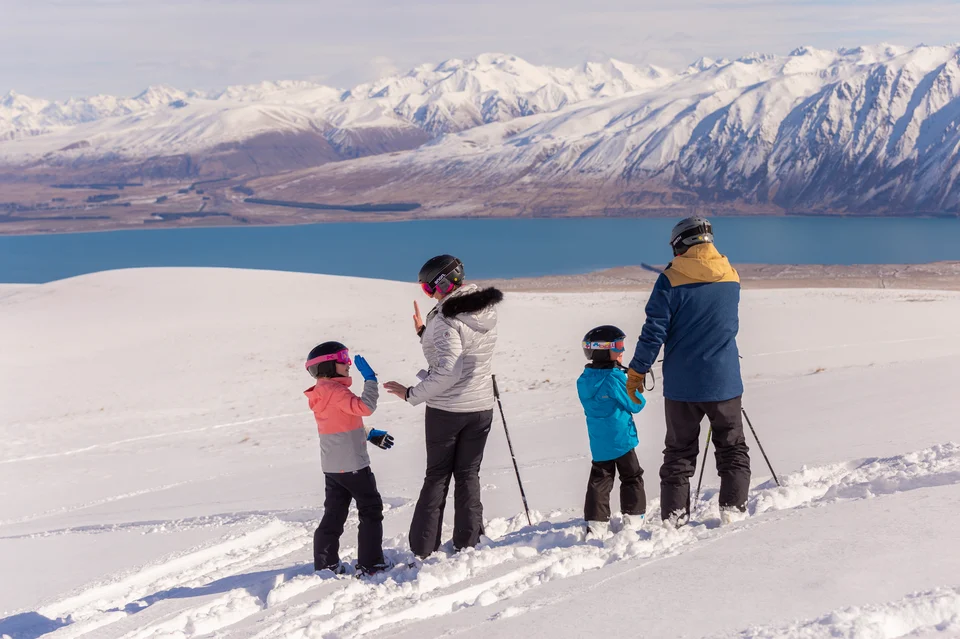
Roundhill - Courtesy of Mackenzie Tourism
Mt Dobson Ski Area
- Conveniently located between Tekapo and Fairlie
- Wide, uncrowded slopes perfect for beginners and intermediates
- Often enjoys reliable snowfall due to its elevation
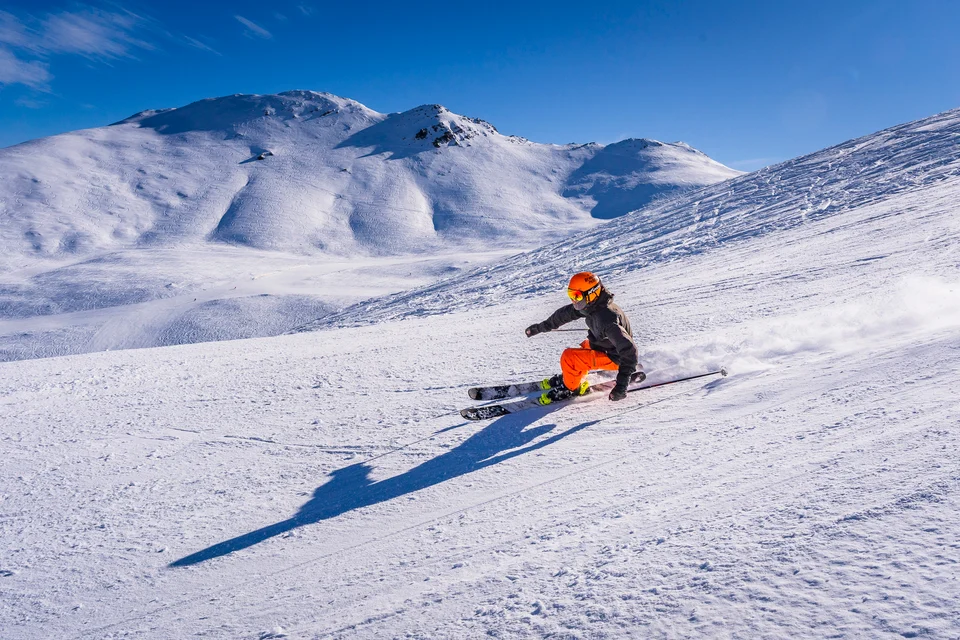
Mt Dobson - Courtesy of Mackenzie Tourism
Skiing Mt Hutt near Christchurch
Mt Hutt rises above the Canterbury Plains near Methven and can be incorporated into a wider Canterbury itinerary, particularly if you are arriving through Christchurch.
- Voted one of New Zealand’s best ski resorts by World Ski Awards
- Family-friendly terrain with modern facilities
- On a clear day, ski with views of the Pacific Ocean
- Pair your ski day with a soak at Ōpuke Thermal Pools & Spa in Methven
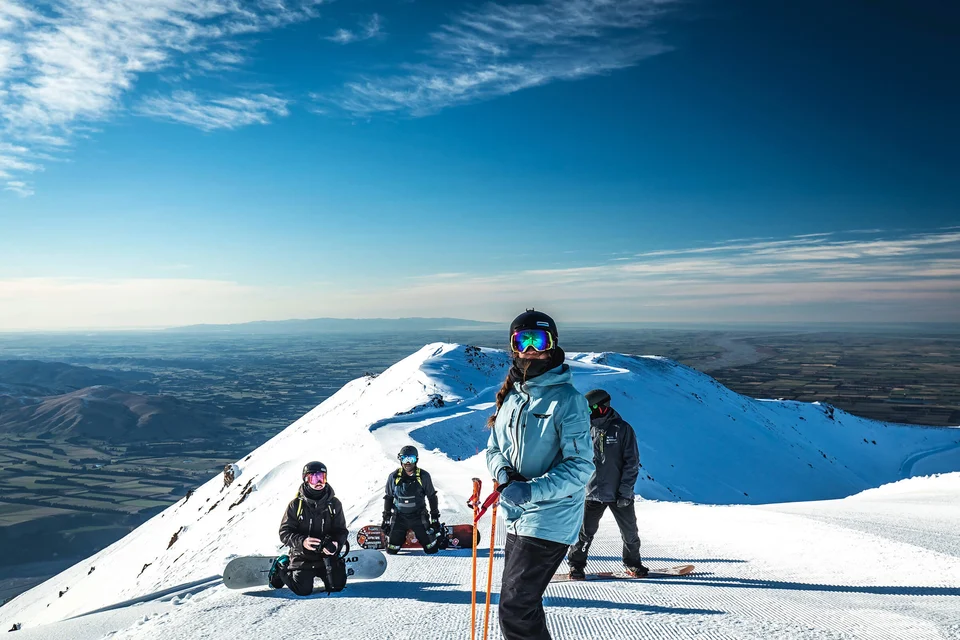
Mt Hutt - Courtesy of ChristchurchNZ
Heli-Skiing in New Zealand
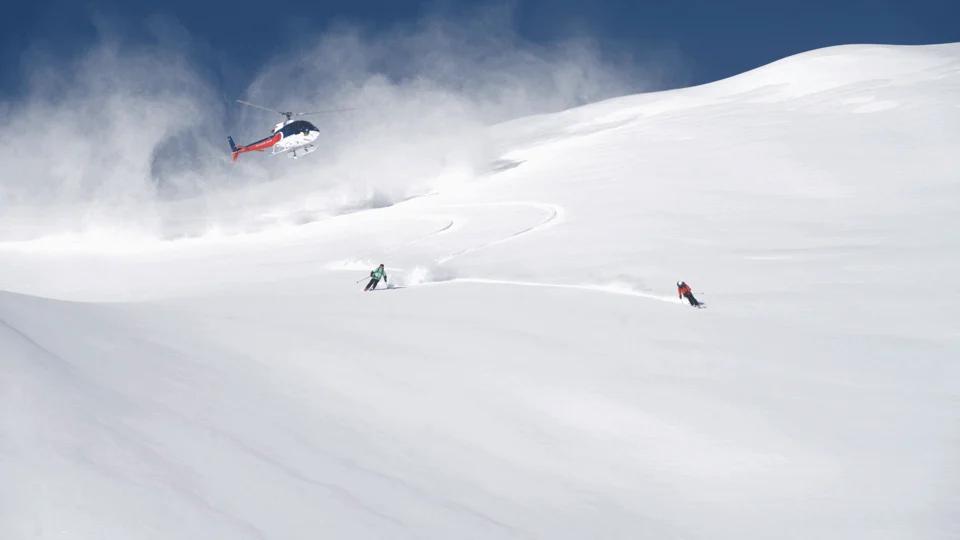
Ski the Tasman - Courtesy Harris Mountain Heliski
For something truly special, try heli-skiing in Queenstown or Wānaka or take it to the next level with a heli-ski experience in Aoraki / Mt Cook. As an avid snowboarder, I’ve spent years riding around the world, but nothing compares to carving first with only your tracks from untouched peaks all the way to the snowline. It’s the kind of experience that stays with you for a lifetime, and one that will always leave you wanting more.
Heli-skiing is weather dependent and works best when there is some flexibility in the itinerary. If it is a priority for your trip, our travel designers can build suitable contingency time into a tailor made New Zealand journey.
Skiing in New Zealand: Frequently Asked Questions
How cold does it get in New Zealand over winter?
Winter temperatures in New Zealand vary by region:
- Upper North Island: 10 to 16°C (50 to 60°F)
- Central North Island (Mt Ruapehu): 0 to 8°C (32 to 46°F)
- South Island lowlands: 0 to 10°C (32 to 50°F)
- Alpine regions: often sub-zero, especially overnight
Expect crisp mornings, bluebird days, and colder temperatures at altitude.
What Is Skiing in New Zealand Like?
Skiing in New Zealand is unique. Unlike many destinations overseas, most ski fields are located high on the mountains, while towns sit at lower elevations.
This means:
- You’ll drive or transfer up access roads each day
- Terrain is typically above the tree line, offering wide-open runs and dramatic views
- Snow conditions can vary, adding to the sense of adventure
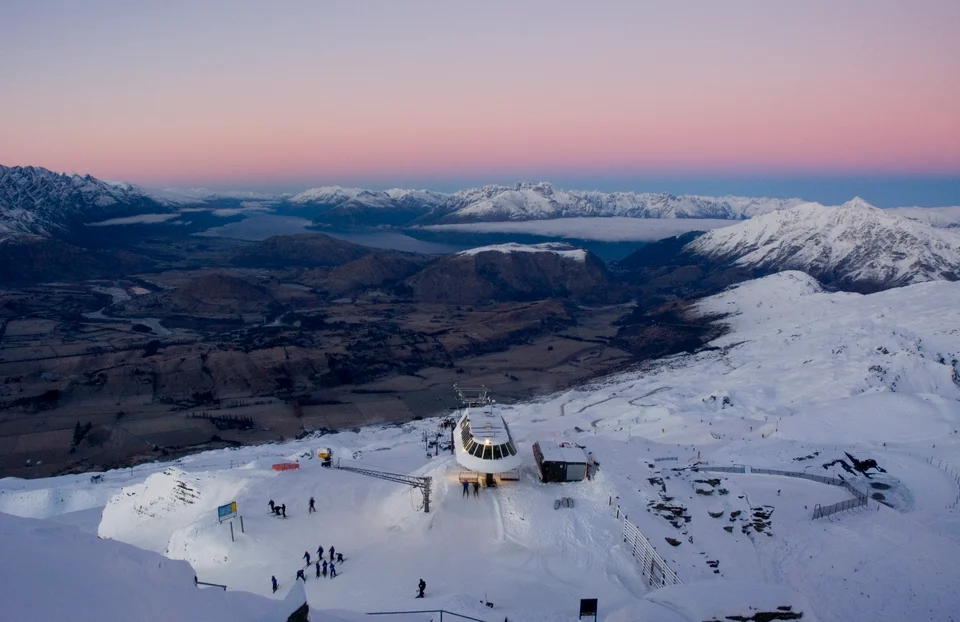
Courtesy of Destination Queenstown
What do I need to pack to ski in New Zealand?
Most New Zealand ski fields offer equipment rental, including skis or snowboards and boots, with some also providing outerwear like jackets and pants. However, items such as gloves or mittens, base layers, and goggles are rarely available for hire, so it’s best to bring your own or explore some of the local ski stores in the townships. If it’s your first time skiing, hiring gear is a great way to figure out what works for you, while more experienced skiers and snowboarders will know that nothing quite beats using your own setup.
Layering is essential when skiing in New Zealand and exploring in the winter, as temperatures can shift quickly throughout the day and often drop below zero in the early mornings and evenings. Thermal base layers (merino is ideal), insulating pieces like down jackets will keep you warm and comfortable from first chair to last light. Practical footwear for the evenings is recommended, especially in alpine towns where pathways can freeze after sunset.
For clothing beyond your ski days, including layers for towns, road trips and other winter activities, see our New Zealand packing checklist.
Does New Zealand have ski in/ski out accommodation?
Ski-in ski-out accommodation is unusual in New Zealand because most commercial ski areas sit above towns rather than forming part of a mountain resort village. Visitors to Queenstown, Wānaka, Methven and Lake Tekapo generally stay in town and travel to the ski fields each day.
There are exceptions. Cardrona Alpine Resort has limited on-mountain accommodation, while club fields including Craigieburn Valley, Broken River and Temple Basin also offer mountain lodges. Craigieburn and Temple Basin provide genuine ski-in ski-out stays, although the experience is considerably more rustic and communal than a conventional international ski resort.
Planning a ski trip? We can help choose the right town to base yourself in and arrange accommodation, transport and ski days around your wider itinerary. Talk to our travel specialists about a tailor made winter journey.
What Else Can You Do in New Zealand in Winter?
So many of the wonderful experiences that bring people to New Zealand are available year round. Explore the towering fjords of Piopiotahi/Milford Sound, shoot along rivers in a jetboat or savour the flavours of regional wines. In winter you’ll get to explore the magic of Aotearoa with fewer crowds, you might just need to pack another layer… or two!
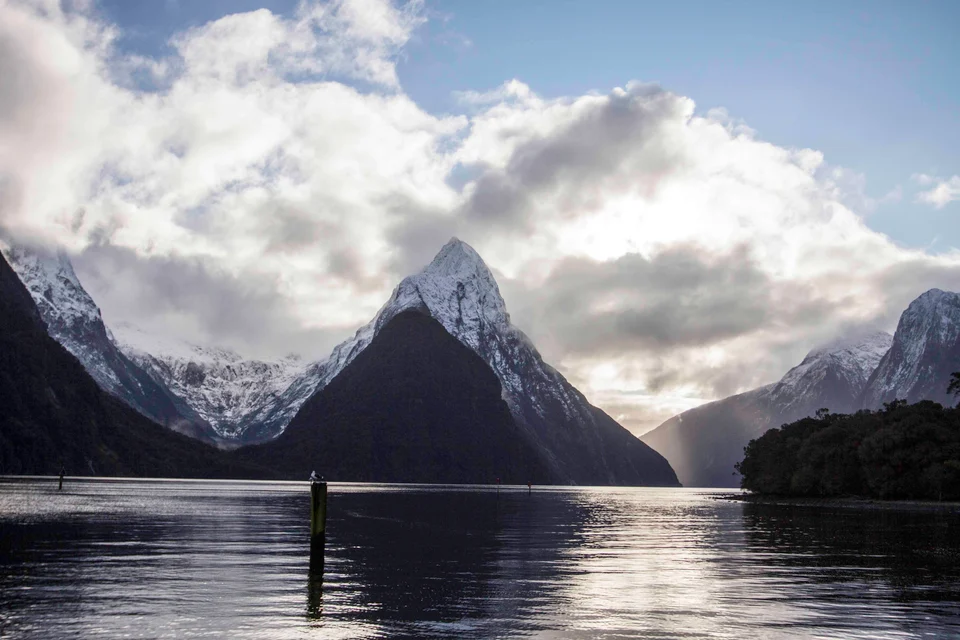
Milford Sound - Courtesy of Great South
New Zealand Ski Journeys
Explore a range of ready-to-book signature Winter Escapes to inspire your next New Zealand ski trip. Our journeys can always be tailored to your preferences. If you would like to know more, get in touch with our travel design team.

Hiking in New Zealand: Your Complete Guide
Driving in New Zealand
Best Places to Visit in New Zealand by Travel Style
Flights to New Zealand: Routes, Airlines and Flight Times
Top 10 Things to Do in New Zealand: North and South Island
New Zealand Wine Regions: The Best to Visit by Variety
Best Time to Visit New Zealand: A Month-by-Month Guide
New Zealand National Parks: A Guide to All 13

New Zealand Packing List: What to Pack for Every Season
