New Zealand Packing List: What to Pack for Every Season

Article Overview
Packing for New Zealand comes down to layers, a waterproof jacket and comfortable walking shoes, because the weather can change several times in a day. Pack a thermal base layer, a fleece or merino mid-layer and a windproof outer shell in any season, plus sunscreen, as New Zealand's UV levels are high. You will need a Type I plug adapter for its 230-volt outlets. Summer calls for light clothing and swimwear for beaches and hot pools, while winter needs an insulated jacket, gloves and a beanie. This checklist covers essentials, seasonal add-ons and what to wear for hiking, cities and ski trips.
New Zealand’s weather can be unpredictable, and it’s not uncommon to experience “four seasons in a day,” even within the same region. Packing smart ensures you’re prepared for outdoor adventures, city explorations, and stunning landscapes across the North and South Islands.
Essentials for All Seasons
Travel Documents:
Passport, NZeTA or visitor visa if required, travel insurance, driving licence, credit/debit cards and a small amount of NZD cash. Most US visitors travelling under New Zealand’s visa-waiver arrangements need an NZeTA rather than a visitor visa.
Check what applies to you before departure in our New Zealand travel requirements guide.
Clothing:
- Layered clothing (thermal base layers, t-shirts, long sleeves, lightweight fleece/jumper)
- Waterproof and windproof jacket
- Comfortable walking/hiking shoes
- Casual shoes for city/café exploration
- Shorts and lightweight clothing (for indoor wear and sunny days)
- Swimsuit (hot pools, beaches, spa)
Accessories:
- Sun hat, sunglasses, sunscreen
- Reusable water bottle
- Daypack for hikes and excursions
- Travel towel
Tech & Gadgets:
- Smartphone and charger
- Travel adapter (New Zealand uses Type I plugs, 230V)
- Camera/binoculars for wildlife and scenery
- Power bank
- Headphones
Health & Safety:
- Personal medications and a basic first aid kit
- Insect repellent
- Lip balm and moisturiser
- Sea sickness tablets if you plan to head out on the water
Seasonal Add-Ons
Spring (September to November)
Spring weather is highly changeable, with warm sunshine, rain, wind and colder spells all possible within the same trip. Snow can also remain at higher elevations well into the season.
You'll want to bring:
- T-shirts and long-sleeved layers
- Merino or lightweight thermal base layer
- Fleece or warm mid-layer
- Waterproof and windproof jacket
- Comfortable walking or hiking shoes
- Sun hat and sunscreen
Summer (December to February)
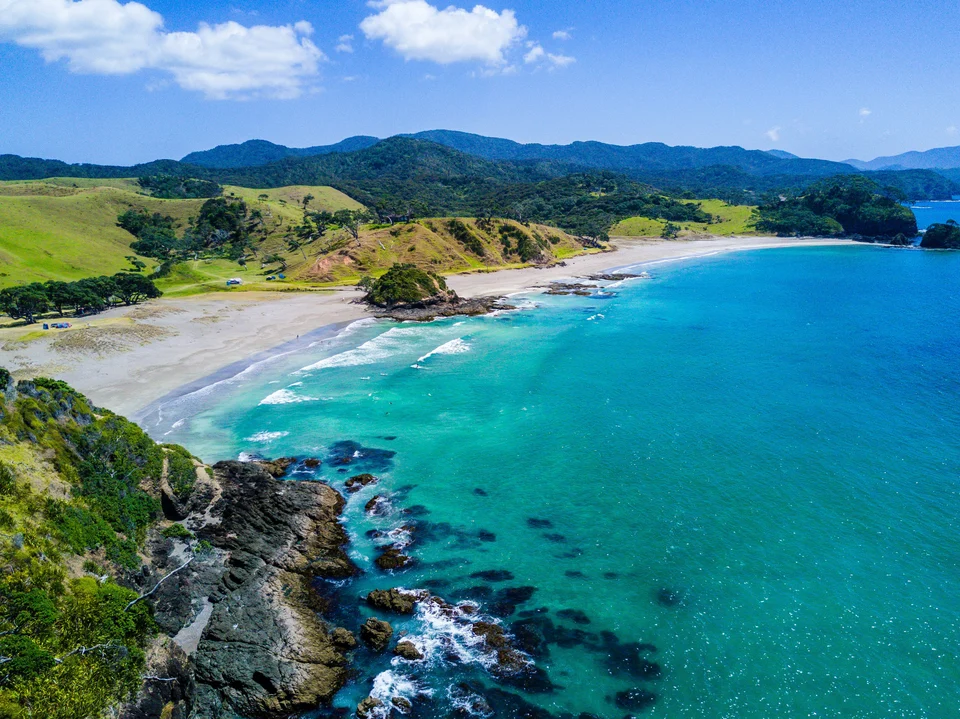
Summer brings New Zealand’s warmest weather and long daylight hours, but cooler evenings, wind and sudden rain are still possible. Pack for warm days while keeping a light layer and waterproof jacket within easy reach.
You'll want to bring:
- Lightweight, breathable clothing
- UV-protection clothing
- Sandals and/or water shoes
- Light scarf or shawl for cooler evenings
Autumn (March to May)
Autumn can still be warm during the day, particularly in March, but mornings and evenings become noticeably cooler as the season progresses.
You'll want to bring:
- Light layers for warmer afternoons
- Merino or fleece mid-layer
- Waterproof and windproof jacket
- Long trousers
- Comfortable walking shoes
- Warmer layer for evenings and alpine regions
Winter (June to August)
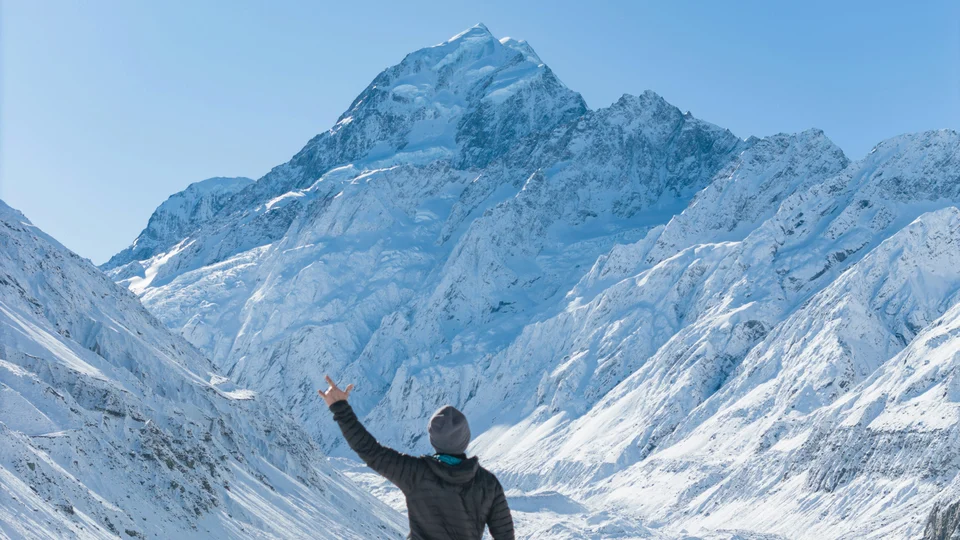
Winter conditions vary considerably by region, with relatively mild temperatures in the north and colder weather, frost and snow around alpine areas. Warm layers become particularly important if your itinerary includes Queenstown, Wānaka, the central North Island or the Southern Alps.
If you visit in Winter, you'll want to bring:
- Warm, insulated jacket
- Thermal base layers
- Beanie, scarf, and gloves
- Wool socks for alpine areas and snow activities
- Snow gear if skiing/snowboarding
Optional / Extras
- Travel pillow for long drives
- Small umbrella
- Dry bag for water-based activities
What to Pack by Trip Type
Your itinerary matters as much as the season when deciding what to bring. A winery-focused journey needs very different footwear and equipment from several days on a Great Walk.
| Trip Type | Must-Pack Items | Leave at Home |
| City and wine touring | Smart-casual layers, comfortable walking shoes, light waterproof jacket, sunglasses | Formal evening wear, multiple pairs of dress shoes |
| Hiking and Great Walks | Broken-in hiking boots or trail shoes, waterproof shell, warm layers, daypack, sun protection, reusable water bottle | Heavy cotton clothing, new or untested hiking boots, unnecessary bulky gear |
| Ski trip | Thermal base layers, insulated jacket, gloves, beanie, ski socks, sunglasses or goggles | Bulky ski equipment if you plan to hire it locally, unsuitable fashion footwear for snow and ice |
| Beach holiday | Swimwear, sun hat, sunglasses, high-SPF sunscreen, sandals, light layers, waterproof jacket | Heavy clothing for daytime use, excessive beach equipment that can be hired or supplied locally |
If you bring used hiking boots or outdoor equipment into New Zealand, make sure it is thoroughly cleaned and free of soil, seeds and plant material before you travel. Declare relevant outdoor equipment and biosecurity risk items on arrival.
What to Wear in New Zealand
New Zealand has a generally relaxed approach to dress, and smart-casual clothing will suit most restaurants, wineries and hotels. In Auckland, Wellington, Christchurch and Queenstown, you may want one slightly smarter outfit for an evening at a good restaurant or bar, but formal clothing is rarely necessary for a leisure trip.
Comfortable footwear matters more than dressing up. Even in towns such as Queenstown, Wānaka and Lake Tekapo, days can involve lakeside paths, gravel surfaces and short walks between activities. If your itinerary includes alpine areas or longer trails, bring footwear with suitable grip and support rather than relying solely on casual trainers.
What Not to Bring to New Zealand
New Zealand has strict biosecurity controls designed to protect its environment and agricultural industries. Food, plant and animal products, seeds and other biological material may need to be declared when you arrive, so avoid packing anything you are unsure about without first checking the current rules.
Used hiking boots, camping equipment and other outdoor gear can also carry soil, seeds or plant material. Clean and dry outdoor equipment thoroughly before packing it, paying particular attention to the soles and tread of walking boots.
If you do bring food or other items that may pose a biosecurity risk, declare them on your New Zealand Traveller Declaration. Border staff can then assess whether they are permitted.
For entry documents, declarations and current biosecurity requirements, read our New Zealand travel requirements guide before you fly.
Ready to Plan Your Trip?
Once you know when you are travelling and the regions you want to explore, packing becomes much simpler. A summer journey through Northland requires a different kit from a winter itinerary through Queenstown and the Southern Alps, while a hiking-focused trip needs more technical clothing than a food and wine journey.
Explore our New Zealand journeys for ideas, or talk to our travel specialists about creating an itinerary around your interests, travel dates and preferred pace.
Skiing in New Zealand: Where to Ski, Top Resorts and Hidden Gems
Hiking in New Zealand: Your Complete Guide
Driving in New Zealand
Best Places to Visit in New Zealand by Travel Style
Flights to New Zealand: Routes, Airlines and Flight Times
Top 10 Things to Do in New Zealand: North and South Island
New Zealand Wine Regions: The Best to Visit by Variety
Best Time to Visit New Zealand: A Month-by-Month Guide
New Zealand National Parks: A Guide to All 13
