Best Time to Visit New Zealand: A Complete Guide

Planning a trip to New Zealand is exciting, but one of the first questions travellers ask is: when should I go? With diverse landscapes, from snow-capped mountains and lush rainforests to pristine beaches and geothermal wonders, New Zealand offers something unique every season. The best time to visit depends on what you want to do, see, and experience. Because if you ask us, there is no bad time to visit New Zealand! The best news is that many key experiences, such as Māori Culture, Adventure Activities and Scenic Train Journeys, operate all year-round. In this guide, we will break down each season's highlights to guide your New Zealand holiday planning.
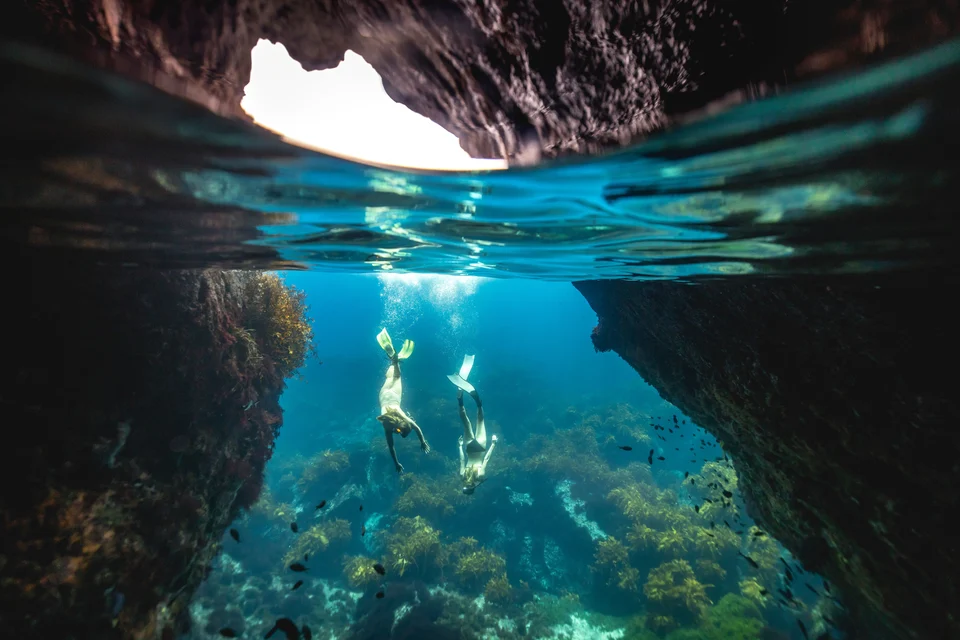
Image courtesy of Tourism New Zealand
Seasons in New Zealand
New Zealand’s climate is generally temperate, but it varies across the North and South Islands. Because it is in the Southern Hemisphere, the seasons are opposite to those in Europe, North America, and Asia.
- Summer (December – February): Warm, long days; ideal for beaches, hiking, and outdoor activities.
- Autumn (March – May): Mild temperatures, stunning autumn foliage, fewer tourists, and weather consistency.
- Winter (June – August): Shorter days, with snowcapped mountains; perfect for skiing, snowboarding, soaking in hot springs and stargazing.
- Spring (September – November): Blooming flowers, newborn lambs, and lush green landscapes.
Each season has its charm, and your interests can be a guide to finding the best time to visit.
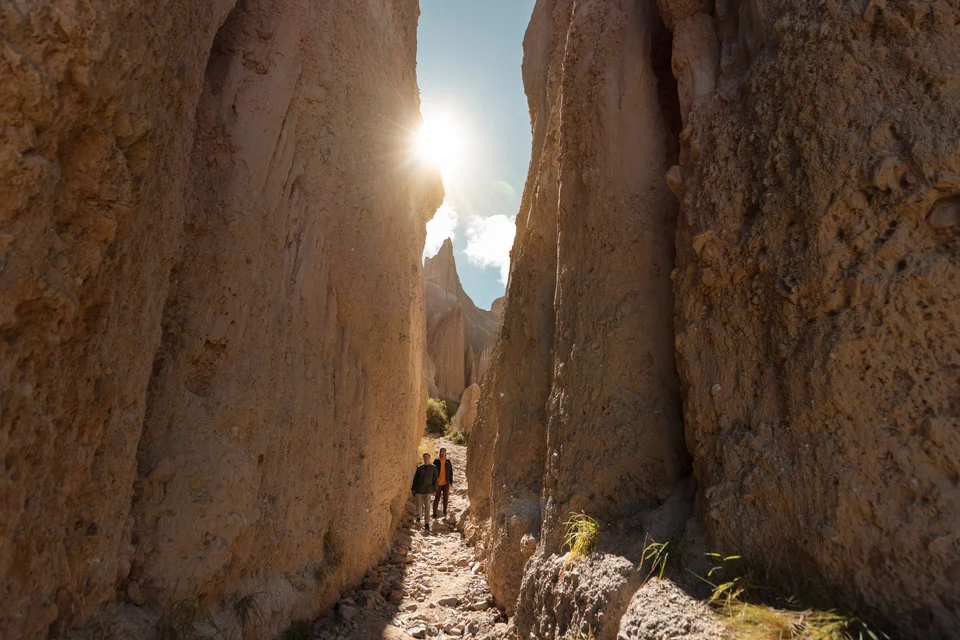
Image courtesy of Tourism New Zealand
North vs South Island Seasonal Differences
New Zealand is made up of three main islands - North, South, and Stewart - and is the largest country in the Pacific Islands. The North Island is well known for its cascading native forests that stretch down to golden beaches, while the South Island is famed for its alpine lakes and snowcapped peaks. Stewart Island, the smallest and southernmost of the three, is characterised by rougher seas and more unpredictable weather.
Seasonal experiences vary depending on where you are in the country. The North Island enjoys warmer weather, with the Bay of Islands often referred to as “The Winterless North.” In contrast, the South Island can occasionally see snow even in summer, particularly across the Southern Alps and Aoraki/Mount Cook, offering dramatic alpine landscapes and outdoor adventures.
Summer (December – February)
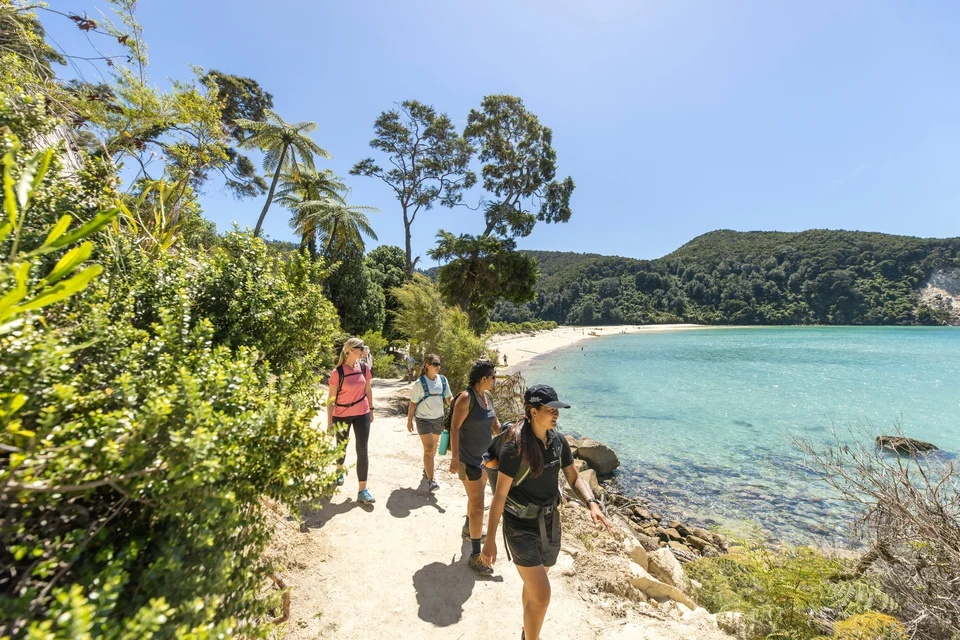
Image courtesy of Tourism New Zealand
Summer in New Zealand is the most popular time for international travellers, especially from the Northern Hemisphere. New Zealand summers are long, warm, and perfect for exploring both the North and South Islands. With extended daylight hours, it’s the ideal season to make the most of outdoor adventures and coastal escapes.
Weather: Average temperatures range from 20°C to 30°C in the North Island and 18°C to 25°C in the South Island. Expect sunny days with occasional showers, especially on the West Coast.
Seasonal Highlights:
- Beaches & Coastal Adventures: The Coromandel Peninsula, Bay of Islands, Abel Tasman National Park, and the beaches of the West Coast are perfect for swimming, kayaking, and sailing.
- Hiking & Outdoor Exploration: Long daylight hours are ideal for tackling multi-day hikes like a Great Walk of New Zealand, or shorter day walks in Fiordland and Tongariro National Park.
- Nature in Bloom: You can expect to see the Pōhutukawa (New Zealand Christmas Tree) in bloom across the North Island, where as the South Island, particularly the Mackenzie District, has fields and roadsides taken over by a sea of pink and purple lupins. Though not native, these beautiful ‘weeds’ offer iconic photo opportunities.
- Wildlife Encounters: Summer is excellent for spotting marine life, including dolphin encounters in Akaroa and whale watching in Kaikōura. Birdwatchers can spot native species like the little blue penguin, albatross, and kiwi chicks.
- Stargazing: Summer nights offer spectacular stargazing opportunities for the numerous International Dark Sky Reserves in Aotearoa[ZF1] . Due to New Zealand’s daylight savings during the summer, you can anticipate late nights with stargazing experiences starting at 1 am in peak summer, but the late nights will be worth the wait!
Pro Tips:
- Summer is peak tourist season, and accommodations and experiences can be sold out months in advance. We recommend getting in at least 6 months before your travel dates so you can secure your spot.
- Expect larger crowds in popular areas like Queenstown, Rotorua, and Bay of Islands.
- Pack your sunscreen! New Zealand has some of the highest UV levels in the world for its latitude, particularly in Summer.
Autumn (March – May)
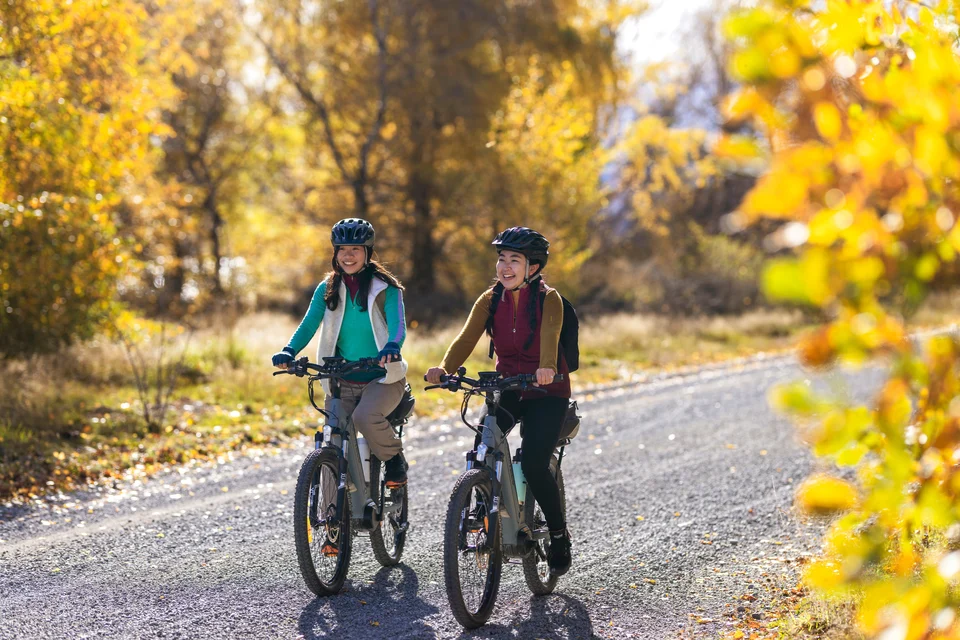
Image courtesy of Tourism New Zealand
Autumn is often overlooked, but it is one of the most rewarding times to visit New Zealand. With days slowly getting shorter, this season offers warm days and crisp, clear nights with fewer tourists and evolving landscapes.
Weather: Mild temperatures with fewer crowds. The North Island enjoys 18°C–25°C, while the South Island averages 15°C–20°C. Rain can be less frequent than in summer, especially in eastern regions.
Seasonal Highlights
- Scenery: Autumn foliage paints vineyards, orchards, and native forests in stunning shades of red, gold, and orange - perfect for photography and scenic drives.
- Adventure & Outdoor Activities: Whitewater rafting, kayaking, wildlife, and coastal adventures remain excellent, with calmer conditions and fewer tourists.
- Food & Wine: Harvest season brings wine tastings, food festivals, and farm-to-table experiences, particularly in Marlborough, Hawke’s Bay, and Wairarapa.
- Stargazing: Clear autumn nights in the South Island - especially at Aoraki/Mount Cook and Tāhuna Glenorchy International Dark Sky Reserves - make it one of the best times for Southern Hemisphere star spotting.
- Hiking: The trails are quieter, offering serene walks through native bush and alpine terrain.
Pro Tips:
- This is a great time for travellers who want fewer crowds but still enjoy mild weather and outdoor activities.
- Central Otago and the Hawkes Bay are well known for their ‘Golden’ autumn landscapes, destinations where the change in season is very visible.
- Autumn is considered a shoulder season for travel to New Zealand, so you can expect to pay less for accommodations and car hire.
Winter (June – August)
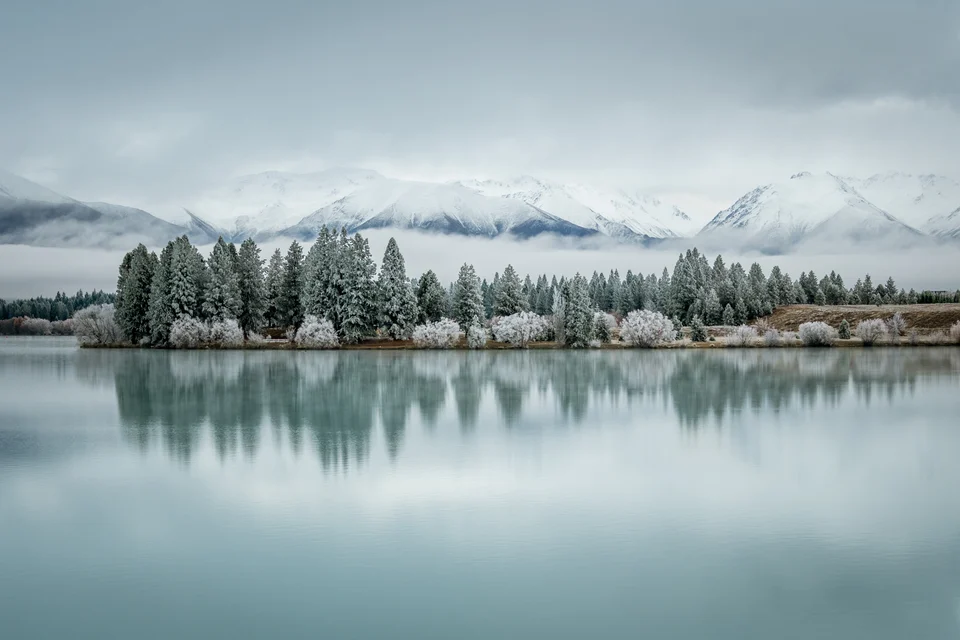
Image courtesy of Mackenzie Tourism
Winter brings snow-capped peaks and awakens New Zealand’s ski season. If skiing is not your thing, there is still plenty to experience; you might just need an extra layer or two! Though winter is a quieter time of year, it brings a few opportunities you might not get in the summer peak travel months, such as a Sunrise Flight over Mt Aspiring, Star-Flight Ziplining experience or an extended 2-night stay in Patea/Doubtful Sound.
Weather: Temperatures drop, averaging 5°C–15°C across the North Island and -2°C–10°C in the South Island. Snow is common in the Southern Alps and the Central Plateau.
Seasonal Highlights:
- Skiing & Snowboarding: Queenstown, Wānaka, and Mt Ruapehu offer world-class slopes. Not to mention the smaller local ‘Club Fields’ dotted along the Southern Alps.
- Hot Springs & Spas: Rotorua, Lewis Pass, and Tekapo are perfect for warming up after a day in the snow.
- Cultural Experiences: Fewer crowds make it ideal to explore Māori culture, museums, and city tours. Te Pā Tu exchanges their summer showcase for a winter experience celebrating the Māori New Year ‘Matariki’ – a must-see!
- Wildlife Encounters: Winter is great for seal spotting on the South Coast and penguin colonies in Otago and Stewart Island. Whale watching continues in Kaikōura, as humpback whales migrate through New Zealand waters.
- Stargazing: Winter skies are clear and crisp. The lack of humidity enhances visibility, and the South Island’s dark sky reserves remain exceptional. With daylight savings ending in around April, you will not have to stay up quite as late, making Winter the best month to experience the stars.
Pro Tips:
- Shorter daylight hours mean planning is essential for outdoor activities.
- Winter is the quieter period for tourism in general, so accommodations and car hire generally offer off-season pricing.
Spring (September – November)
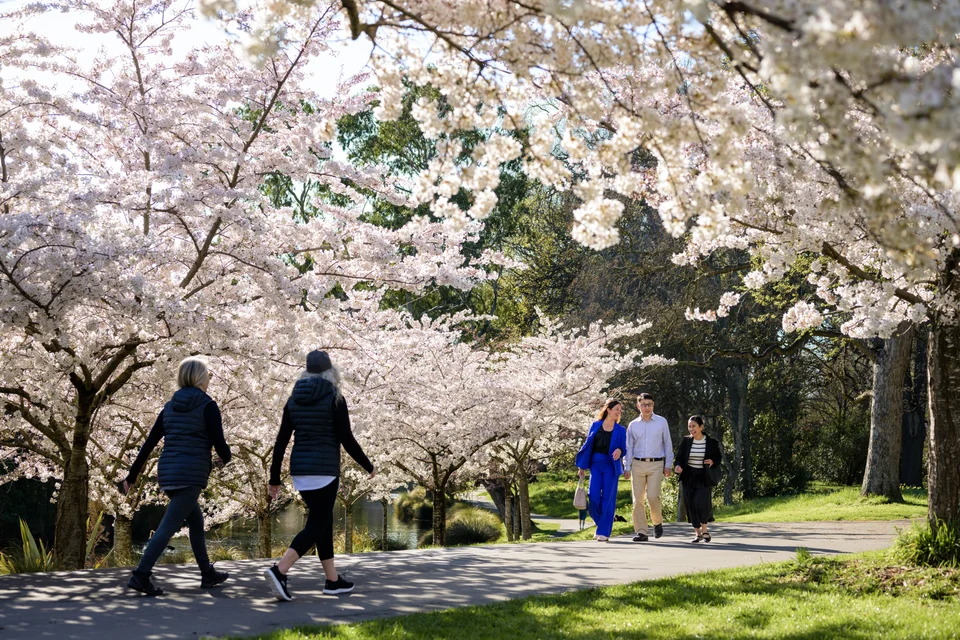
Spring is a season of renewal, with blooming flowers, baby animals, and refreshing weather. Snowfall is very common in the spring months, so you can expect to see the snowcapped peaks in the South Island. A season where you can ski in the mornings and enjoy sun-soaked afternoons.
Weather: Mild and pleasant, averaging 15°C–22°C in the North Island and 10°C–18°C in the South Island. Rain showers are more frequent, especially in the west. Crisp mornings evolve into warm and longer evenings.
Seasonal Highlights:
- Hiking & Nature Walks: Spring is perfect for exploring national parks before summer crowds arrive.
- Wildlife Encounters: Watch lambs and calves in the pastures and enjoy birdwatching in the lush forests.
- Nature in Bloom: Spring brings the short and sweet Cherry Blossom season. Christchurch’s Hagley Park sees over a million daffodils in bloom between September – October, and it is the best time of year to see New Zealand natives in full swing with the Kōwhai, Mānuka, and many more blooming across the country. In November, visitors to Tekapō and the Mackenzie region are wowed by a sea of purple during the annual Lupin bloom.
- Stargazing: Nights remain dark enough for stargazing, particularly in the South Island Dark Sky Reserves. Spring skies are clear, offering breathtaking views of the Milky Way before the evenings warm up.
Pro Tips:
- Spring is considered a shoulder season, providing good value for accommodations and activities.
- Ideal for travellers seeking mild weather, wildlife experiences, and fewer crowds.
Special Consideration
New Zealand is known for its unpredictable weather; we have seen snow in December (summer) and 30-degree days in August (winter). We recommend packing for all four seasons, as you never know what you might get. We’ve put together the Ultimate New Zealand Packing Checklist to help you pack your bags for whatever time of year you are visiting.
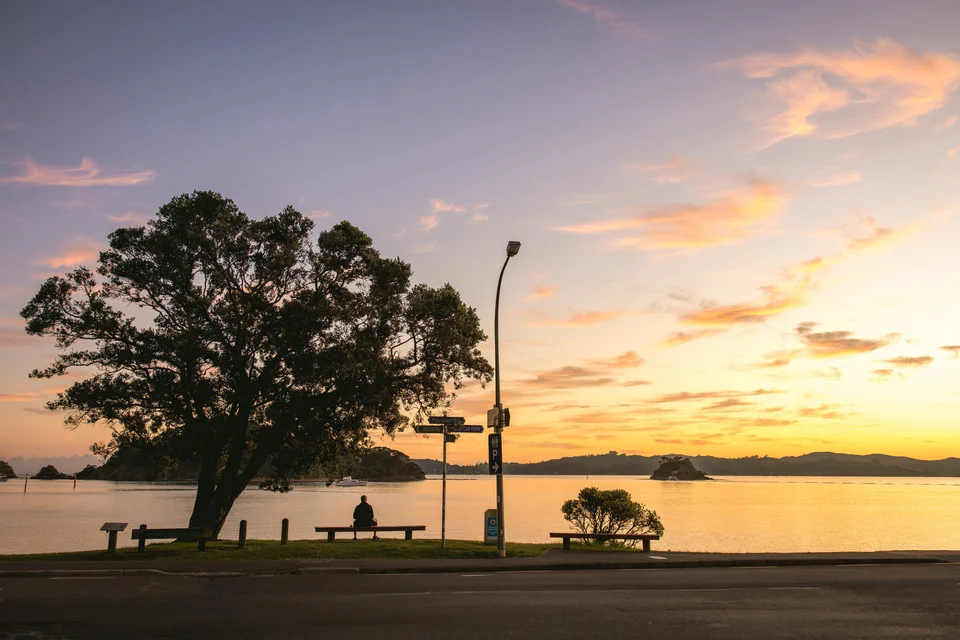
Image courtesy of Tourism New Zealand
The Best Time to Visit New Zealand for You
There’s truly no “wrong” time to visit New Zealand, and Touring New Zealand can help you find the perfect New Zealand vacation.
Planning a trip around your interests ensures you get the most out of every moment in Aotearoa/New Zealand. Whether it’s a summer adventure in the Bay of Islands, autumn foliage in Central Otago, winter skiing in the Southern Alps, or witnessing Spring in Bloom. New Zealand’s landscapes and natural world opportunities are unforgettable in every season.
Pro Tip: Consider combining seasons if you’re travelling for multiple weeks. Start in the North Island to enjoy milder temperatures, then move south for alpine adventures and clear night skies.
Ready to start planning your dream New Zealand itinerary? Browse our curated Touring New Zealand travel packages for a seamless journey combining transport, experiences, and boutique accommodations - no matter the time of year.

Where to Ski in New Zealand: Top Resorts & Hidden Gems

Hiking in New Zealand: Your Complete Guide

Driving in New Zealand

Best Place to Travel in New Zealand: A Guide to Exploring Aotearoa Your Way

Everything You Need to Know About Flights to New Zealand

The Top 10 Activities to Do in New Zealand: North & South Island

The Best Month to Visit New Zealand: A Month-by-Month Guide

Best Wine Regions to Visit in New Zealand: A Guide for Wine Lovers

Discover the 13 National Parks of New Zealand
