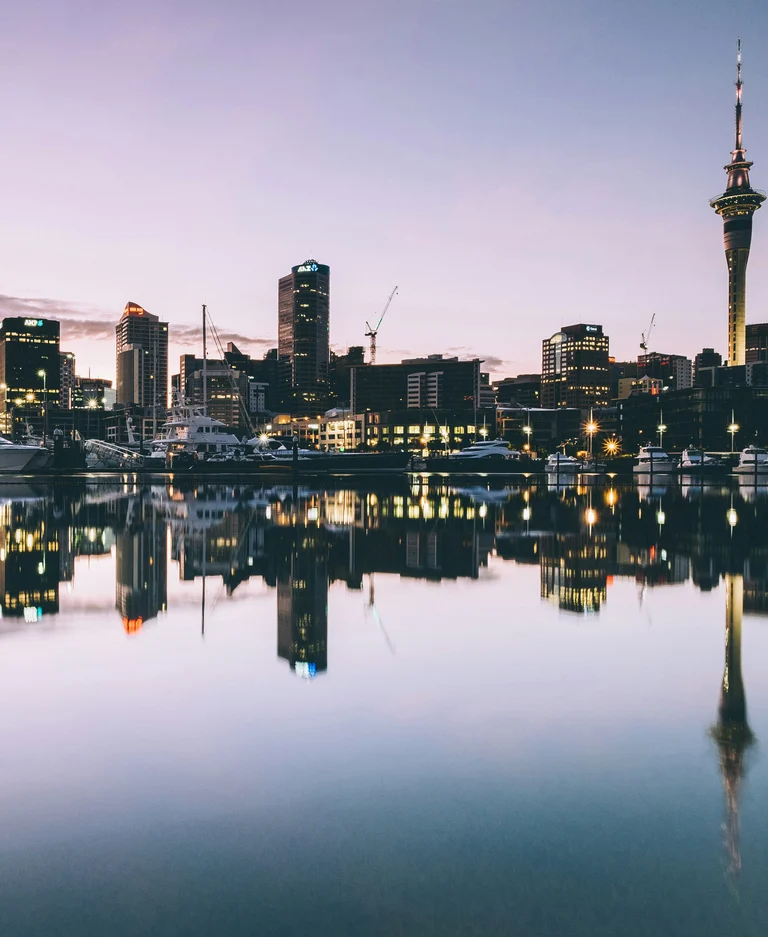
Lord of the Rings Filming Locations in New Zealand
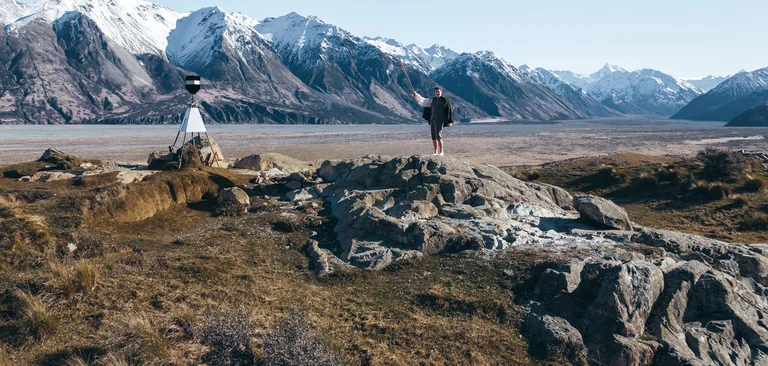
You don't need a ring or a wizard to visit Middle-earth. You just need a ticket to New Zealand. Peter Jackson's trilogy turned real farmland, volcanoes and alpine valleys into the Shire, Rohan and Mordor, and most of those places are still there to explore.
This guide covers the Lord of the Rings filming locations you can actually visit, region by region across the North Island and South Island. For each one, you'll find what was filmed there and the practical details that help you fit it into your trip.
Where Was Lord of the Rings Filmed?
The Lord of the Rings trilogy was filmed entirely in New Zealand, on both the North Island and the South Island. Peter Jackson used dozens of sites, from the green hills of Matamata (the Shire) to the volcanoes of Tongariro National Park (Mordor) and the high country of Canterbury (Rohan). Many are open to visitors today.
So when people ask where was LOTR filmed, the short answer is almost everywhere you'd want to go on a New Zealand trip anyway. That's what makes the Lord of the Rings filming locations so easy to build a holiday around.
One thing to know before you go: not every famous shot has a place you can stand in. The Argonath, the giant stone kings on the River Anduin, were created digitally. Most sets were also taken down after filming ended, so at places like Edoras you're visiting the landscape, not a set.
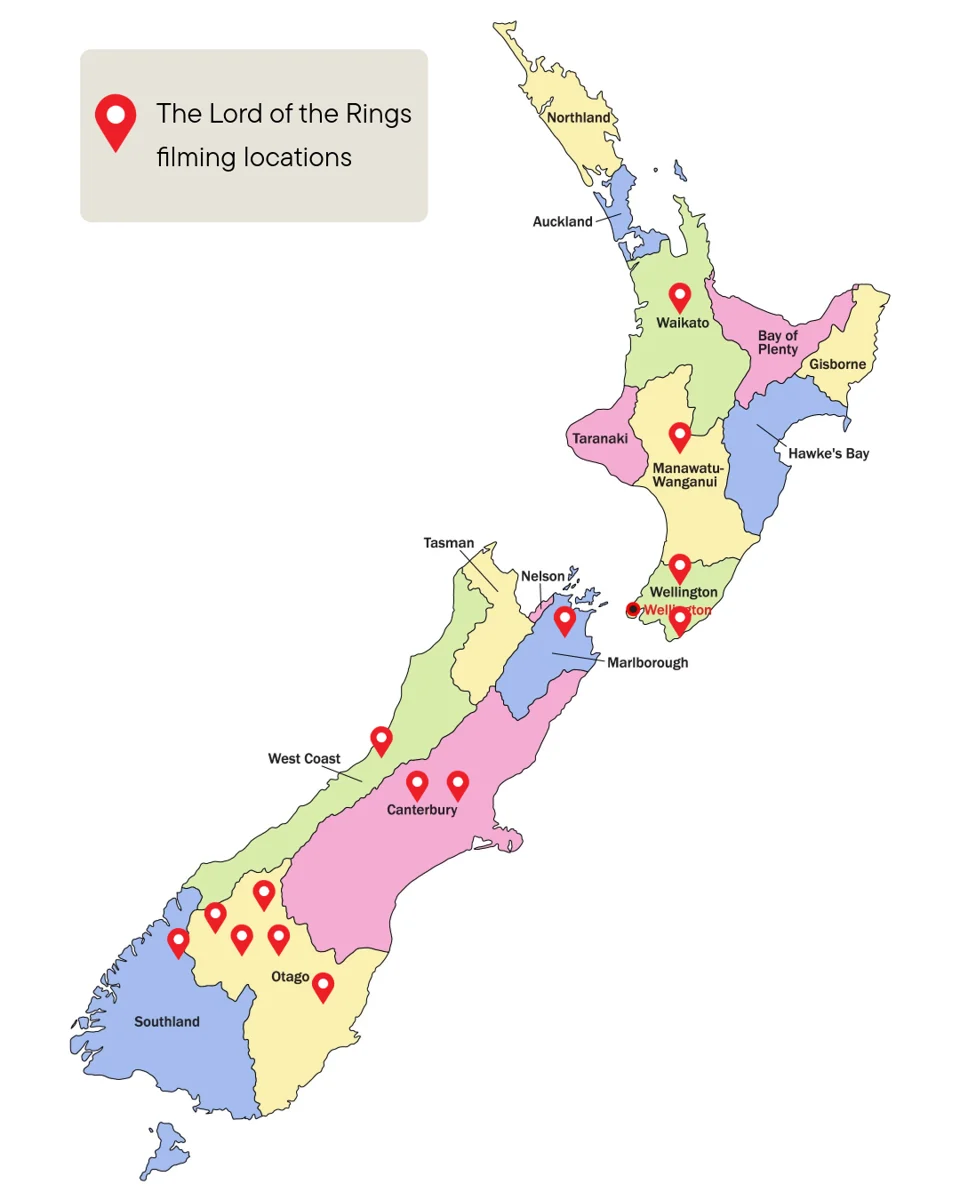
North Island Lord of the Rings Filming Locations
The North Island is home to the Shire, Mount Doom and much of the trilogy's behind-the-scenes history in Wellington. These Lord of the Rings filming locations run roughly north to south, so you can picture them as a route from Matamata down to the capital.
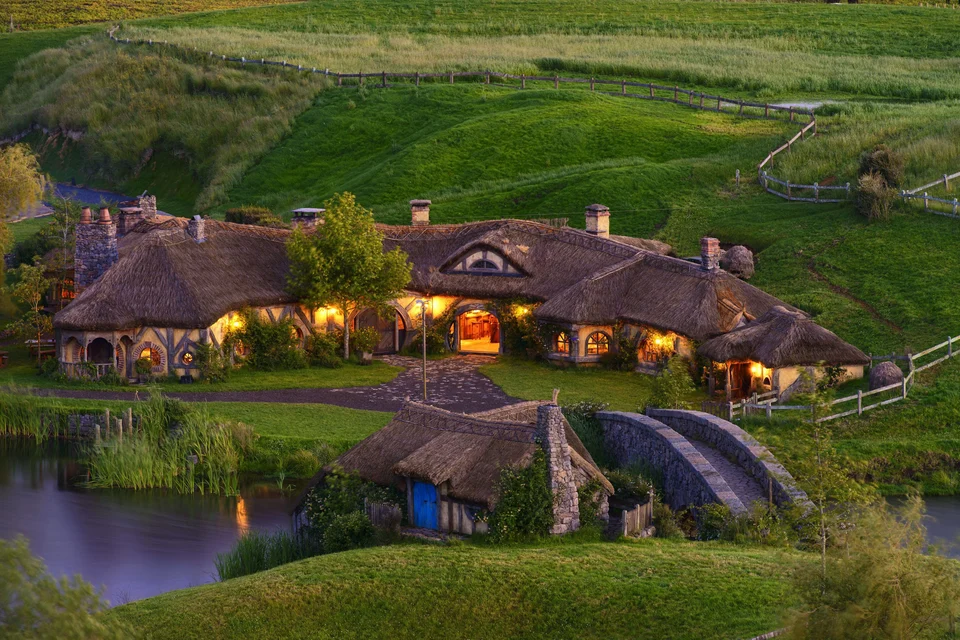
Image courtesy of HobbitonTM
Hobbiton Movie Set, Matamata
If you only see one place on this list, make it Hobbiton. The Hobbiton Movie Set sits on a working sheep farm near Matamata in the Waikato region, and it's the one spot where the Shire still looks exactly like it does on screen.
The set was built for The Lord of the Rings, then rebuilt in permanent materials for The Hobbit trilogy. Today it's the best known of all the Lord of the Rings filming locations in New Zealand, and the most famous lord of the rings filming site for first-time visitors.
On a guided tour you'll walk past dozens of hobbit holes with their round doors and tiny gardens, look up at Bag End and the Party Tree, and finish with a drink at the Green Dragon Inn. Even travellers who've never watched the films tend to love the detail.
You can only visit on a guided tour, and tours often sell out in peak season, so book ahead. Prices change through the year, so check the current rate when you book.
Nearby Staddle Farm limestone cliffs and rolling hills were used as Trollshaw Forest in The Hobbit: An Unexpected Journey. The farm is accessible only by guided tour.
Tongariro National Park: Mount Doom and the Emyn Muil
Tongariro National Park, in the center of the North Island, gave the films their darkest landscapes. Its volcanic slopes stood in for Mordor, and Mount Ngauruhoe became the model for Mount Doom. The rocky ground around the Whakapapa ski area on Mount Ruapehu was used for the Emyn Muil, where Frodo and Sam stumble toward Mordor.
Nearby Tawhai Falls, a short walk from the road below Whakapapa Village, is the Forbidden Pool. It's where Gollum catches his fish while Faramir's rangers watch in The Two Towers. If you are visiting on a hot day take your swimwear as you are welcome to swim in the pool. The Mangawhero River that flows through the falls was used again for the moment Frodo and Sam pass a ruined column in a clearing on their journey through Mordor.
Looking to The Hobbit Trilogy, the Shire Outskirts where Bilbo catches up with Thorin’s company and the Lonely Mountain entrance of Hidden Bay can both be found near Ohakune.
The park sits on the edge of Manawatū-Whanganui, and most fans see it on the Tongariro Alpine Crossing, a full-day walk with Ngauruhoe towering over the trail. Read our guide to hiking in New Zealand before you go. One request from us: please don't climb to the summit of Ngauruhoe. The Department of Conservation asks walkers to stay off it out of respect for its sacred (tapu) status.
Wellington's Middle-earth: Mount Victoria, Kaitoke and the Hutt River
Wellington is where much of the trilogy came together, and you don't have to go far to find it. Mount Victoria, a short walk from the city center, is where the hobbits hid under the tree roots as a Black Rider passed. It's the famous "Get off the road!" scene.
A short drive north, Kaitoke Regional Park was Rivendell, the elven refuge where Frodo recovered after the attack on Weathertop. Signs from the carpark lead you to the spot. Harcourt Park in Upper Hutt became the Gardens of Isengard, and stretches of the Hutt River were used for the River Anduin.
For a look behind the scenes, Wētā Cave in Miramar runs workshop tours for fans. It isn't a filming location, but it's where many of the props and creatures were made. A full-day guided tour is one of the best ways to explore Wellington's Middle-earth filming locations, with local guides bringing the scenes to life and taking care of the travel between sites. Pair it with a few days exploring Wellington.
Putangirua Pinnacles and the Paths of the Dead
Over the hills from Wellington in the Wairarapa, the Putangirua Pinnacles are the Paths of the Dead. It's the eerie gully where Aragorn, Legolas and Gimli ride to summon the Army of the Dead.
The pinnacles are earth columns carved by rain and wind, and they're even stranger in person. They're also one of the quietest stops on the North Island, so they suit travelers who want fewer crowds. The walk in follows a stream bed, so check current track conditions with the Department of Conservation before you set out.
South Island Lord of the Rings Filming Locations
The South Island supplied the trilogy's biggest landscapes: the plains of Rohan, the forests of Lothlórien, the River Anduin and the battlefield outside Minas Tirith. These Lord of the Rings filming locations run north to south, from Nelson Tasman down to Fiordland, which is roughly how a self-drive or guided route would take you.
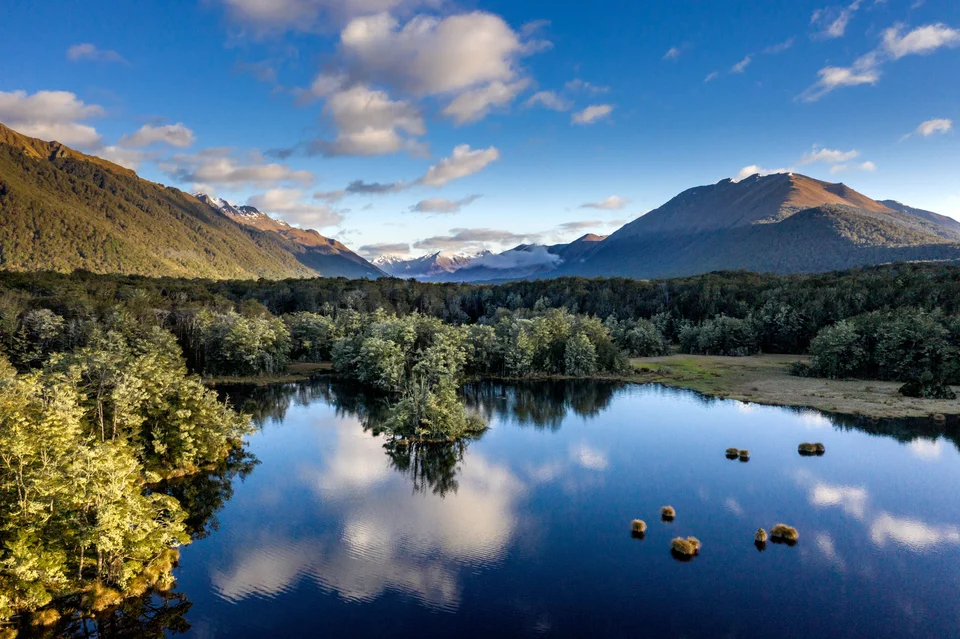
Image courtesy of Chris McLennan
Top of the South: Takaka Hill, Barrel Escape and Dimrill Dale
The Pelorus River in Marlborough was used as Forest River in the Barrel Run scene in The Hobbit: The Desolation of Smog. If you are driving through you can access a view point from the Pelorus Swing Bridge, or if you’re up for your own barrel run you can join on a guided group kayak tour.
Takaka Hill, west of Nelson, is Chetwood Forest. It's the woodland Strider leads Frodo and the other hobbits through after they leave Bree. You'll drive right over it on the road to Golden Bay.
Dimrill Dale is a different story. The rocky slopes near Mount Olympus, where the Fellowship hides from Saruman's crows, can only be seen from the air. A scenic helicopter flight is the way in, and it's a highlight for anyone spending time in the Nelson region.
Mount Sunday: Edoras in Canterbury
Mount Sunday is Edoras, the hilltop capital of Rohan. It rises out of a wide river valley in Canterbury's high country, ringed by the Southern Alps.
Nothing of the Golden Hall is left. The set was removed after filming, and the hill went back to farmland. What's still there is the view, and it's every bit as dramatic as the film. Park on Hakatere Potts Road and walk up to the top. Allow a full day for the round trip from Christchurch, since the last stretch is on gravel.
Mackenzie Country: Pelennor Fields and The Shores of Long Lake
The Battle of the Pelennor Fields, the huge clash outside Minas Tirith in The Return of the King, was filmed on farmland a few minutes from Twizel in the Mackenzie Country. Scenes like the Ride of the Rohirrim and Gandalf riding out against the Nazgûl were shot here too.
The fields sit on Ben Ōhau Station, which is private land, so you can't wander into the middle on your own. A marked Department of Conservation track off Glen Lyon Road gives you good views across the fields to the mountains you'll recognize from the film. Of all the Lord of the Rings filming locations on the South Island, this is one of the few battle sites you can see so clearly from a public path. Tour access depends on the landowner, so check locally for current options before you plan around one.
Following the shores of Lake Pukaki, also known as Long Lake from The Hobbit trilogy. Access to the view point is public and on a clear day the surrounding Southern Alps and Aoraki/Mt Cook created a beautiful backdrop to this scenic location.
Stay a night or two if you can. The turquoise lakes of the Mackenzie Basin and some of the darkest night skies in the country are reason enough.
Central Otago: Poolburn Reservoir and the Plains of Rohan
Poolburn Reservoir, high in the tussock land of Central Otago, was used to film parts of Rohan. Its rocky tors and open plateau feel a long way from anywhere, and that's the appeal.
This is a stop for keen fans, not a casual detour. The access roads are gravel, the shortest route needs four-wheel drive, and the high roads close in winter (roughly June to September). Plan it for summer, and check road conditions first.
Wānaka, Queenstown, Glenorchy and Arrowtown
No region packs in more filming sites than the area around Queenstown, which makes it the easiest base for a Middle-earth trip. You could spend several days here seeing Lord of the Rings filming locations without any long drives.
Start with Glenorchy, at the head of Lake Wakatipu. The opening sequence of The Two Towers sweeps over these mountains, with Mount Earnslaw in the frame. Along the Glenorchy Road, Twelve Mile Delta was used for the Ithilien camp, where Frodo, Sam and Gollum witness Faramir's rangers battling. It's also where Sam and Gollum discuss how to cook a rabbit. Drive on toward Paradise and you'll pass the beech forest used for Lothlórien, plus the wide valley used for Isengard. At Dan's Paddock, Gandalf was filmed riding towards Isengard through the valley of Nan Curunír.
The Kawarau River, near the historic Kawarau Suspension Bridge in Gibbston, stood in for the Anduin River, where the Fellowship passes the Pillars of the Kings. High in the Remarkables, Lake Alta became Dimrill Dale, where the Fellowship emerges from the Mines of Moria.
Out in the historic settlement of Arrowtown, the Arrow River here was the Ford of Bruinen, where Arwen races the Black Riders and Wilcox Green became the Gladden Fields. You can walk to both from the main street. Upstream is Skippers Canyon, best explored on a guided 4WD tour due to its challenging access road. The area was used for the scene where Arwen summons a flood to sweep away the Nazgûl.
On the drive to Wanaka, stop at the Crown Range Road lookout for a sweeping view over country used for several lord of the rings shooting locations, including the setting for Amon Hen. In Wānaka, Misty Mountain Ridge doubles as Treble Cone Ski Field in the winter months. Access in winter is a steep 4WD road and open to the public, while in the summer access is only available through a guided tour. For more ideas, see our guide to things to do in Queenstown.
Fiordland: Fangorn Forest and the River Anduin
Fiordland's moss-covered beech forests made a natural setting for Fangorn Forest. Several woodland areas featured in scenes with Treebeard and the hobbits, including those around Takaro Road near Te Anau. Nearby Bog Pine Paddock in Snowdon Forest was where Aragorn, Legolas and Gimli first encountered Gandalf the White. Further East, the Mavora Lakes area also featured in several scenes, including the edge of Fangorn Forest, Lothlórien, and Nen Hithoel.
The Waiau River, between Te Anau and Manapouri, doubled as the River Anduin where the Fellowship paddles south from Lothlórien. You can explore this stretch of river by bike or wilderness jet boat, taking in the same forested banks seen in the films. Near Rainbow Reach along the Kepler Track Great Walk, forested banks appear in the opening aerial shot of The Fellowship of the Ring. In-between Te Anau and Manapouri, Kepler Mire was used for the Dead Marshes, where Gollum guides Frodo and Sam through the swamp.
The area South of Rivendell known as Eregion is located in the mountains above Lake Manapouri and can be access only by helicopter. Fold these key locations a wider trip through Southland and Fiordland, with a day for Milford Sound.
West Coast: Mount Gunn and the White Mountains
On the South Island's West Coast, Mount Gunn, near Franz Josef Glacier, provided the backdrop for the Ered Nimrais, or White Mountains, in The Return of the King. Its rugged alpine ridges appear in the scene where the warning beacons are lit, carrying Gondor's call for aid across the mountains to Rohan.
The surrounding landscape is worth exploring in its own right, with glacier-carved valleys, dense rainforest and the snow-covered peaks of the Southern Alps rising above the coast.
How to Plan a Trip Around LOTR Filming Spots
The sites are spread across both islands, and trying to see every one turns a holiday into a checklist. Most travelers do better picking the regions that fit their wider trip, then adding the Lord of the Rings filming locations close to each base.
These pairings work well:
| Region | Filming sites | Good base |
| Waikato and Rotorua | Hobbiton Movie Set, Staddle Farm | Rotorua or Cambridge |
| Central North Island | Tongariro National Park, Tawhai Falls | Tongariro National Park or Taupō |
| Wellington and Wairarapa | Mount Victoria, Kaitoke, Harcourt Park, Putangirua Pinnacles |
Wellington |
| Canterbury high country | Mount Sunday (Edoras) | Christchurch or Mount Potts |
| Mackenzie Country | Pelennor Fields and Shores of Long Lake |
Twizel, Aoraki/Mt Cook or Lake Tekapo |
| Queenstown Lakes |
Glenorchy, Paradise, Arrowtown, Crown Range and Treble Cone Ski Field |
Queenstown or Glenorchy |
| Fiordland | Takaro Road, Waiau River, Kepler Mire, Rainbow Reach, Mavora Lakes |
Te Anau |
Most of these places are easiest to reach by car, and some roads are narrow or gravel. Some locations are only accessible as a part of a guided tour, speak to your travel designer about the best option for you. Our guide to driving in New Zealand covers what to expect. If you're still choosing where to land, read about flights to New Zealand. Flying into Auckland and out of Queenstown (or the other way round) saves you from backtracking.
Seeing the Lord of the Rings Locations on a Tailor Made Journey
The easiest way to see the Lord of the Rings filming locations is to let someone else do the routing. With our Tailor Made Journeys, a Travel Designer builds your trip around the places you care about, at the pace you want.
That might mean a guided Hobbiton tour on the way to Rotorua, a scenic flight over Dimrill Dale, or an extra night in Te Anau to explore Fangorn Forest and the River Anduin. It can be a full Middle-earth itinerary or just a few favorite stops woven into a wider New Zealand trip. Our Middle Earth Uncovered Signature Journey is a great place to draw inspiration.
Tell us which scenes you'd love to stand in. Speak with a Travel Designer and we'll start planning.

FAQs about Lord of the Rings Filming Locations
A few quick answers about Lord of the Rings filming locations to help you plan.
Can You Visit Every Lord of the Rings Filming Location?
Not all of them. Most Lord of the Rings filming locations are open to visit, but some sit on private land, like the Pelennor Fields near Twizel. Others, like Dimrill Dale, can only be seen from the air. Many sets were removed after filming, so at Mount Sunday you'll see Edoras's landscape but no Golden Hall. The best way to tick off film locations is to speak to a Travel Designer as some locations are only accessible on a guided tour.
Is Hobbiton Worth Visiting If You're Not a Big Fan?
Yes. Hobbiton works as a day out even if you've never seen the films. The gardens, the tiny hobbit holes and the rolling farmland are charming on their own, and the tour ends with a drink at the Green Dragon Inn. It also sits between Auckland and Rotorua, so it rarely means a big detour.
How Many Days Do You Need to See the LOTR Filming Locations?
It depends on how many regions you choose. You can see the main LOTR filming locations in one region, like Queenstown or Wellington, in a day or two. Covering both islands takes much longer. Most travellers fold a handful of sites into a wider trip, and a Travel Designer can help you decide what fits.
Skiing in New Zealand: Where to Ski, Top Resorts and Hidden Gems
Hiking in New Zealand: Your Complete Guide
Driving in New Zealand
Best Places to Visit in New Zealand by Travel Style
Flights to New Zealand: Routes, Airlines and Flight Times

Top 10 Things to Do in New Zealand: North and South Island
New Zealand Wine Regions: The Best to Visit by Variety
Best Time to Visit New Zealand: A Month-by-Month Guide
New Zealand National Parks: A Guide to All 13